
Orchid Care
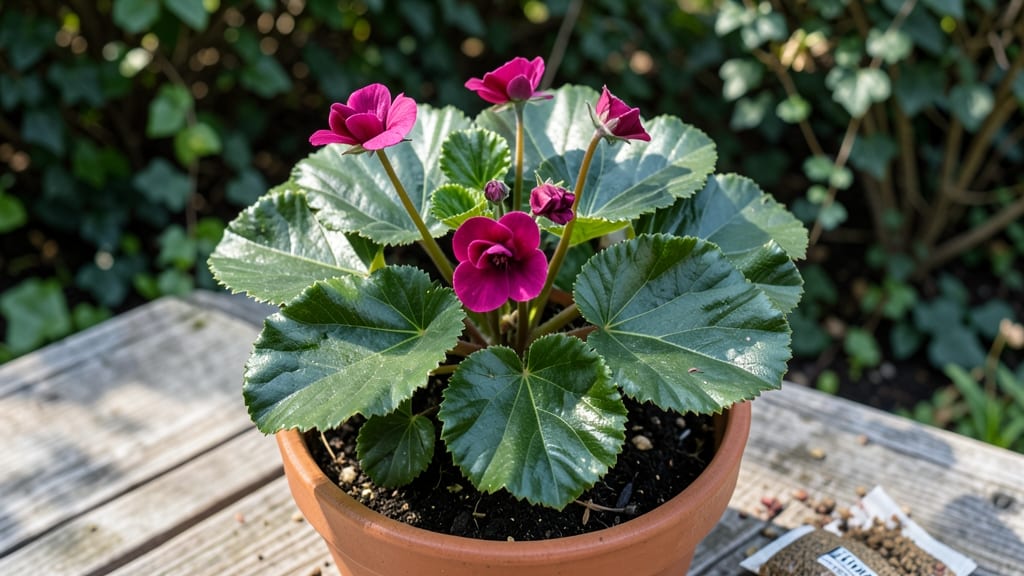
Whether you’re growing wax begonias in sun or shade, they flourish with bright, indirect light—like the gentle glow filtering through sheer curtains or dappling through tree leaves.
Struggling to keep your wax begonias blooming year-round? The secret isn’t just water or fertilizer—it’s mastering their light needs. Too much sun scorches those delicate leaves, while too little shade stunts the vibrant blooms you love.
These plants love morning sun but beg for afternoon shade, especially in hotter climates. A simple adjustment—like moving them to an east-facing window or adding a sheer curtain—can transform your wax begonias into a 12-month color powerhouse.
Below, I’ll show you how to read your plant’s light signals, tweak its placement for peak blooms, and keep those gorgeous flowers coming all year. No guesswork, just science-backed tips for happy, healthy wax begonias.
 Best Window Placement
Wax begonia sun vs shade requirements for maximum blooms
Wax begonias are famous for their glossy leaves and continuous blooms, but their light requirements often get overlooked. Unlike sun-loving plants, wax begonias thrive in bright indirect light with morning sun exposure and afternoon shade protection.
Too much direct sun causes leaf scorch, while too little light leads to sparse blooms. Let’s break down the ideal light conditions to keep your wax begonias flowering year-round.
If you’ve ever noticed your wax begonia’s leaves turning yellowish-brown or its blooms dropping prematurely, it’s likely a sign of light stress. The key is finding that sweet spot where your plant gets enough light to bloom but isn’t fried by harsh rays.
For indoor growers, this means placing them near an east-facing window, while outdoor gardeners should opt for dappled shade under trees or on a covered patio.
🌱
| Light Condition | Daily Exposure | Best Locations | Bloom Impact |
|---|---|---|---|
| Morning Sun (6 AM - 12 PM) | 2-4 hours | East-facing windows, outdoor shaded areas | Optimal blooms, vibrant foliage |
| Afternoon Shade (12 PM - 6 PM) | Indirect light | North-facing windows, under tree canopies | Prevents leaf burn, maintains color |
| Direct Midday Sun (10 AM - 4 PM) | Avoid | South-facing windows without shade cloth | Leaf scorch, reduced blooms |
| Deep Shade (No Direct Sun) | Low light | North corners, interior rooms | Leggy growth, few blooms |
Seasonal adjustments are crucial for year-round blooms. In summer months, wax begonias need extra shade protection—even morning sun can become too intense. Use a light shade cloth (30-50% blockage) if placing them outdoors.
During winter, supplement natural light with a grow light for 6-8 hours daily to prevent stunted growth.
For indoor begonia care, rotate your plant quarter-turn weekly to ensure even light exposure. If you notice pale leaves or stretched stems, it’s a sign they’re reaching for light.
Move them closer to a window or add a reflective surface (like a white wall) to bounce light back onto the plant. Containers also need well-draining soil—use a mix of peat moss and perlite to prevent root rot from overwatering.
Outdoor gardeners should avoid full-sun spots, especially in hot climates. Instead, pair wax begonias with tall plants (like ornamental grasses) to filter sunlight naturally. If your begonias are in containers, move them to a shadier spot by midday during peak summer.
Mulching with organic matter also helps regulate soil temperature and moisture.
Watch for these light stress symptoms:
- Yellowing leaves (too much sun)
- Brown crispy edges (leaf scorch)
- Leggy stems (not enough light)
- Fewer blooms (poor light quality)
Pro tip: Test your light conditions with a simple trick. Hold a piece of paper near your plant—if the shadow is sharp and dark, it’s direct sun.
If the shadow is soft and fuzzy, it’s the ideal indirect light for wax begonias. This quick check saves you from trial and error!
🌿
12-Month bloom schedule: how light affects flowering cycles
Wax begonias thrive on consistency, and their light needs shift dramatically across seasons. By aligning their exposure with natural cycles, you can coax year-round blooms—even in winter. The key is understanding how sunlight intensity and daylight hours change monthly and adjusting placement accordingly.
In summer, wax begonias crave morning sun and afternoon shade, while winter demands bright, indirect light to prevent dormancy. Without this balance, you’ll see stunted growth or fewer blooms. Let’s break down the month-by-month light strategy to keep your begonias flowering like clockwork.
- Spring (March-May): Transition outdoors gradually—start with 2-3 hours of morning sun and move to partial shade by afternoon. Use shade cloth (30-50%) if direct sun exceeds 4 hours.
- Summer (June-August): Provide dappled shade all day (e.g., under trees or lattice). Avoid hot afternoon sun—it scorches leaves. Water soil, not foliage to prevent sunburn.
- Fall (September-November): Extend sunlight to 5-6 hours daily by moving pots to south-facing windows or under grow lights (12 hours/day). Reduce shade cloth to 20-30%.
- Winter (December-February): Maximize bright indirect light—rotate pots weekly for even exposure. Supplement with LED grow bulbs (5000K) if natural light drops below 4 hours/day.
For container-grown wax begonias, rotate pots every 2-3 weeks to ensure even light exposure. This prevents lopsided growth and encourages balanced blooming. In USDA Zone 6a, begin hardening off indoor plants in late February by placing them near east-facing windows for 2 hours daily.
Watch for light stress signs: Yellow leaves indicate too much sun, while pale stems signal insufficient light. Adjust placement immediately—begonias forgive quickly when corrected. In summer heatwaves, move pots to shadier spots or use reflective mulch to amplify indirect light.
To extend bloom seasons, prune spent flowers in late summer to redirect energy to new growth. Pair this with a light fertilizer (10-10-10) every 4-6 weeks during active growth. With this schedule, your wax begonias will bloom continuously, even in winter’s dimmest months.
Pro tip: Use a light meter to track foot-candles—ideal range is 500-1,000 fc for wax begonias. This data helps fine-tune placement for peak flowering year-round. 🌸