
Shrubs
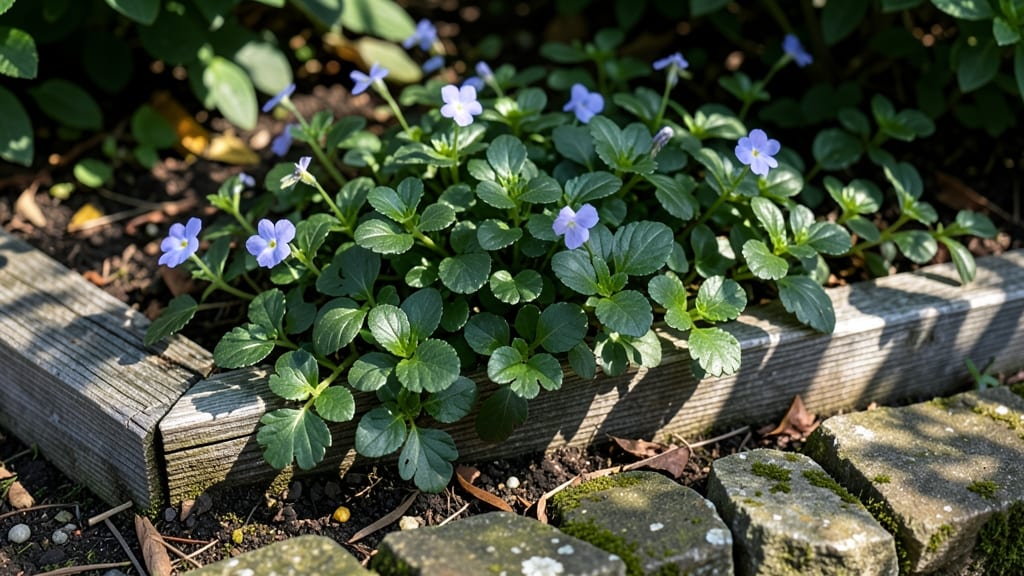
Deciding whether vinca minor thrives in sun or shade is the key to lush, vibrant growth 🌿—and the answer might surprise you.
Struggling to keep your vinca minor thriving? This hardy ground cover can adapt to most conditions—but sun exposure makes all the difference in its growth, color, and resilience. Too much direct light can scorch its leaves, while too little shade may dull its signature deep green hues.
Here’s the secret: vinca minor loves partial shade but handles morning sun beautifully. In USDA Zone 6a, planting it where it gets dappled light (like under trees) keeps it healthy year-round, while a few hours of afternoon sun can boost its flowering.
In this guide, I’ll break down exactly how to balance light for maximum spread, how to spot signs of stress, and the easiest soil and watering tricks to keep it thriving—whether you’ve got a shady corner or a sunny border.
 Best Window Placement
How sunlight affects vinca minor growth and color
Vinca minor, also called common periwinkle, is one of the most adaptable ground covers for shady gardens. But did you know sunlight dramatically changes its foliage color, flower production, and even its spread rate? While it thrives in partial shade, too much sun or deep shade can stress this plant if conditions aren't perfect. Let's break down how light impacts your vinca minor's performance.
In partial shade (3-6 hours of filtered light daily), vinca minor develops its signature deep green leaves with occasional blue-purple flowers. This is its ideal light range—where it grows lushly without burning.
However, push it toward full sun, and you'll notice yellowing leaves or even leaf scorch as the plant struggles to retain moisture. On the flip side, too much deep shade slows growth and reduces flowering.
Here’s how sunlight directly influences your vinca minor’s key traits:
| Light Condition | Foliage Color | Flowering | Growth Rate | Spread Pattern |
|---|---|---|---|---|
| Full Sun (6+ hours) | Pale green/yellow; risk of scorch | Sparse, small blooms | Slower growth; stress | Patchy, uneven spread |
| Partial Shade (3-6 hours) | Deep green; glossy | Abundant blue-purple flowers | Fast, dense growth | Even, carpet-like spread |
| Deep Shade (<3 hours) | Light green; less vibrant | Fewer flowers; pale blooms | Slow, leggy growth | Sparse, uneven coverage |
Notice how partial shade delivers the best balance? That’s because vinca minor naturally grows under forest canopies in its native Europe and Asia. In full sun, it needs extra mulch and consistent watering to prevent stress.
Meanwhile, in deep shade, it may need a light fertilizer in spring to encourage growth.
If your vinca minor is in full sun, watch for leaf burn (brown edges) and adjust by pruning nearby plants to filter light. For shady spots, group it with hostas or ferns to create a microclimate with slightly better light.
The key is observing your plant’s foliage color—dull or yellowing leaves signal it’s time to tweak its light exposure.
Did you know vinca minor’s flower color can shift based on light? In partial shade, expect vibrant blue-purple blooms, while full sun may produce paler, less frequent flowers. This makes light adjustment a great way to enhance your garden’s color palette naturally.
For example, placing vinca minor near white flowers (like ajuga) in partial shade creates a striking contrast.
Another pro tip: vinca minor’s spread rate accelerates in partial shade. In ideal conditions, it can spread 12 inches per year, creating a dense ground cover faster than in sun or deep shade.
This makes it perfect for erosion control on slopes or under trees where other plants struggle. Just ensure the soil stays moist but well-draining—this plant hates soggy roots.
For container gardening, vinca minor thrives in partial shade on a patio or balcony. A 12-inch pot with well-draining mix and morning sun works perfectly. Avoid placing it in hot afternoon sun, which can cause leaf scorch even with frequent watering. If you notice wilting or crispy edges
Best practices for planting vinca minor in different light conditions
Vinca minor thrives as a versatile ground cover, but its growth habits change dramatically between sun and shade. In partial shade, it develops rich, deep green foliage and spreads aggressively, while full sun can intensify its color and encourage occasional blooms. The key is adapting your soil prep, spacing, and watering schedule to match the light conditions.
For shady spots, focus on improving soil drainage and adding organic matter like compost. In sunny areas, mulch heavily to retain moisture and protect roots. Seasonal adjustments—like reducing water in winter—ensure your vinca minor stays lush year-round, regardless of light exposure.
🌿 Pro Tip for Sun or Shade Success
Use well-draining soil in both conditions—sandy loam works best. In sun, add 2-3 inches of mulch to prevent moisture loss. In shade, amend soil with peat moss to improve aeration.
Start by testing your soil pH—vinca minor prefers 6.0 to 7.5. Amend with lime if your soil is too acidic or sulfur if it’s alkaline. For sunny locations, space plants 12-18 inches apart to allow airflow, while shady areas can accommodate 9-12 inches for denser coverage.
Watering needs shift with light: sun-exposed vinca requires deep watering every 5-7 days, while shade-grown plants thrive on weekly shallow watering. Always water at soil level to avoid wetting foliage, reducing fungal risks.
In spring and fall, apply a balanced 10-10-10 fertilizer lightly—never in summer when vinca minor slows growth. Prune leggy stems in early spring to encourage bushier growth, and remove spent blooms to redirect energy to foliage.
Monitor for leaf scorch in sun or pale foliage in shade—both signal light stress. Adjust placement gradually over weeks to avoid shocking the plant. With these adjustments, your vinca minor will flourish as a low-maintenance ground cover in any light condition.