
Shrubs
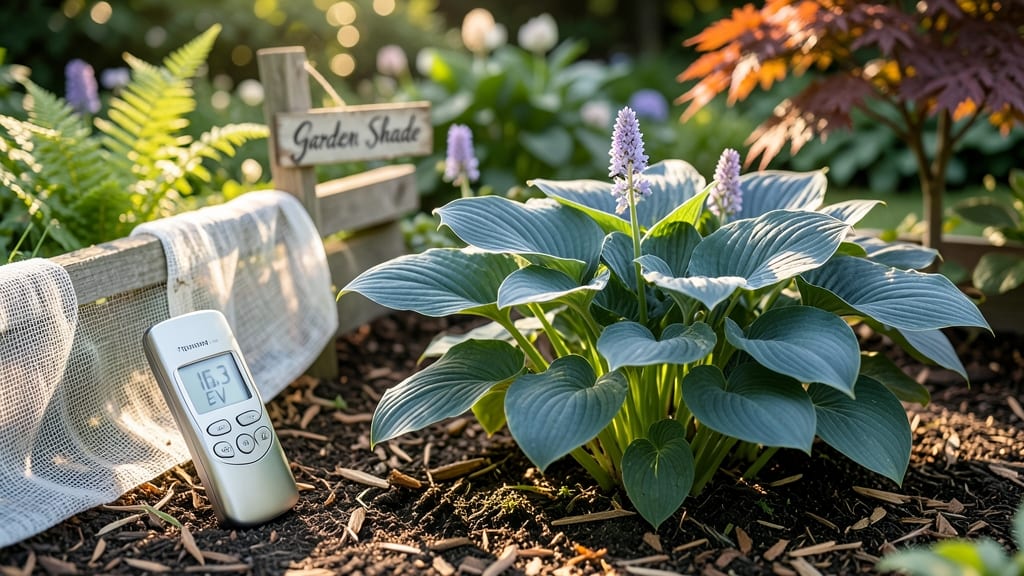
Shrubs handle sunlight and shade differently based on their species, with most requiring 4-6 hours of direct light daily for healthy growth, while shade-tolerant types like azaleas and ferns thrive in filtered or indirect light to avoid leaf burn or weak stems.
Understanding how shrubs respond to light is key to keeping them vibrant. 🌿 Sun-loving shrubs, such as lavender or butterfly bush, need plenty of light to produce energy through photosynthesis, which fuels their growth and flowering.
On the other hand, shade-tolerant shrubs like hostas or pieris adapt to lower light conditions by developing larger leaves to capture more sunlight efficiently. The right placement can make all the difference in their health and appearance.
Light exposure also affects how shrubs grow. For example, too much direct sunlight can scorch leaves, while insufficient light can lead to leggy, weak stems. Balancing sunlight and shade ensures your shrubs stay strong and beautiful year-round.
Always consider your shrub's natural habitat when deciding where to plant it in your garden.
💡 In This Article
- How Light Exposure Affects Shrub Growth and Photosynthesis
- Choosing the Right Shrubs for Sun vs Shade Gardens
How light exposure affects shrub growth and photosynthesis
Shrubs rely on photosynthesis to convert light energy into chemical energy, and the process varies dramatically between sunlight and shade conditions. In bright sunlight, shrubs like rosemary or lavender produce more chlorophyll, which absorbs light efficiently in the blue (400-500nm) and red (600-700nm) spectra.
These wavelengths drive photosynthesis, but too much direct sun can overwhelm the plant's protective mechanisms, leading to oxidative stress and leaf burn. The carotenoids in leaves (which give them yellow/orange hues) act as natural sunscreen, but they can't protect indefinitely.
Shade-tolerant shrubs, such as azaleas or ferns, adapt by developing larger, thinner leaves with more surface area to capture scattered light. These plants prioritize low-light photosynthesis, using photosystem II more efficiently to process the limited blue light available in shaded areas.
Interestingly, shade plants often produce anthocyanins (purple/red pigments), which help protect their cells from excess light while still allowing photosynthesis to occur. The trade-off? They grow slower and may produce fewer flowers without sufficient light.
Light intensity also influences stem development. Shrubs in full sun, like butterfly bush, grow compact and sturdy because their stems strengthen in response to wind and direct light.
In contrast, shade-loving shrubs, such as hostas, develop longer, weaker stems (a condition called "etiolation") as they stretch toward any available light. This is why leggy growth is a common problem in low-light gardens—it’s the plant’s survival strategy, not a flaw. 🌱
Another critical factor is the light duration. Most shrubs need 4-6 hours of direct light daily to thrive, but shade-tolerant varieties can manage with just 2-3 hours of filtered light.
For example, boxwoods can handle partial shade (3-6 hours of indirect light), while hydrangeas prefer morning sun and afternoon shade to avoid leaf scorch. The key is matching the shrub’s native habitat—many woodland plants, like pieris, evolved under dappled light from tree canopies.
Light quality matters too. Blue light (from early morning or late afternoon sun) promotes compact growth and flowering, while red light (from midday sun) encourages stem elongation.
Shade plants, which receive more blue light in filtered conditions, often bloom later in the season because their growth is delayed until they’ve captured enough energy. This is why shade-grown azaleas may flower in spring, while sun-exposed ones bloom in early summer.
Understanding these nuances helps you replicate ideal growing conditions for your shrubs.
Finally, consider the seasonal light changes. In winter, shorter daylight hours reduce photosynthesis, so shrubs store energy in their roots. This is why evergreens like boxwoods need consistent light year-round—they can’t "rest" like deciduous plants.
If you notice yellowing leaves in winter, it might signal insufficient light, not cold damage. Adjusting placement or adding a reflective surface (like white gravel) near the shrub can boost light exposure by 20-30% without harsh direct sun.