
Shrubs
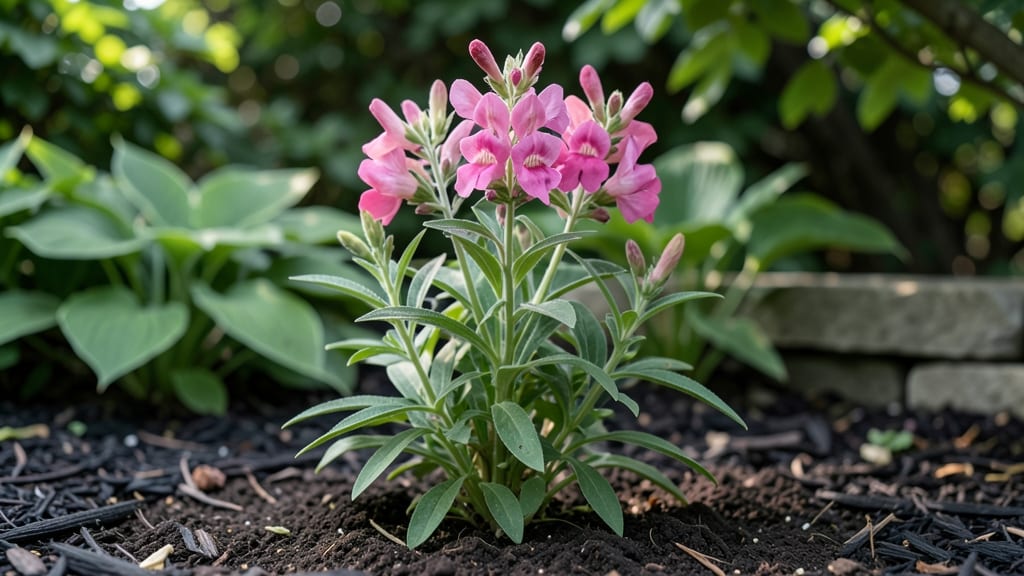
Snapdragons in shade can thrive with at least 4-6 hours of indirect sunlight daily, though some varieties tolerate partial shade better than others, especially in hotter climates. Opt for compact or trailing types like 'Tango' or 'Matrix' for lower-light conditions, and use well-draining soil to avoid root issues.
Snapdragons aren't naturally shade lovers, but certain varieties adapt surprisingly well when given the right conditions. 🌿 The key is indirect light—direct shade can weaken stems and reduce blooms, but filtered sunlight through trees or sheer curtains works perfectly.
I've seen 'Tango' snapdragons produce vibrant flowers even with just 3 hours of morning sun, proving that patience and variety selection make all the difference. For best results, pair shade-tolerant types with rich, loamy soil and consistent moisture.
What sets these shade-friendly snapdragons apart is their genetic tolerance for lower light levels. Many traditional varieties bolt or produce sparse flowers in shady spots, but newer hybrids like 'Matrix' have been bred specifically to handle partial shade while still delivering bold colors.
The trade-off? You might see slightly smaller blooms compared to full-sun varieties, but the difference is often minimal with proper care.
💡 In This Article
- How Light Affects Snapdragon Growth and Flowering
- Best Shade-Tolerant Snapdragon Varieties for Low-Light Gardens
How light affects snapdragon growth and flowering
Snapdragons rely on photosynthesis to convert light energy into sugars that fuel their growth and flower production. In low-light conditions, their chlorophyll molecules struggle to capture enough photons, which slows down glucose production by up to 40% compared to full-sun exposure.
This energy deficit forces plants to prioritize leafy growth over flowering, often resulting in lanky stems and fewer blooms. The stems themselves become weaker because the plant allocates more resources to reach for light rather than strengthening cell walls.
The color intensity of snapdragon blooms also dims under insufficient light. Anthocyanins, the pigments responsible for vibrant reds, purples, and pinks, require adequate sunlight to develop fully.
In shade, these pigments may appear muted or washed out, similar to how a sunset looks less vivid on a cloudy evening. 🌅 For example, 'Black Prince' snapdragons might show up as deep burgundy in full sun but appear more maroon in partial shade.
The chlorophyll content also increases in shaded leaves, giving them a darker green hue that can make flowers seem less striking by contrast.
Temperature plays a hidden role here too. Shaded areas often stay cooler, which can delay flowering by 1-2 weeks as the plant waits for ideal conditions. Snapdragons prefer daytime temperatures between 60-75°F for optimal blooming, but cooler shaded spots may keep them in a vegetative state longer.
This is why many gardeners in cooler climates see better results with shade-tolerant varieties—they're genetically adapted to balance lower light with moderate temperatures more efficiently.
Not all snapdragons respond equally to shade. Annual varieties like 'Rocket' series often bolt (prematurely flower and set seed) when stressed by insufficient light, while perennial types like 'Matrix' have evolved to handle partial shade better.
The difference comes down to their native growing conditions—wild snapdragons in Mediterranean climates experience hot, dry summers with some shade from shrubs, which explains why modern hybrids can tolerate 30-50% less light than their wild ancestors.
Here's what happens at the cellular level: Shade causes snapdragons to produce more auxin, a plant hormone that promotes stem elongation at the expense of lateral growth. This is why shaded snapdragons often grow tall and leggy with fewer side shoots.
The solution? Prune back leggy stems to encourage bushier growth and redirect energy toward flower production. Regular deadheading also helps by signaling the plant to produce more blooms rather than focusing on seed development.
One surprising benefit of shade is reduced water loss through transpiration. Snapdragons in partial shade typically need 20-30% less water than those in full sun, which can be a game-changer in hot climates where overwatering causes root rot.
The trade-off is that you'll need to supplement with balanced fertilizer (like 10-10-10) every 4-6 weeks to compensate for the lower photosynthesis output. Without this boost, shaded snapdragons may produce flowers that are 30-50% smaller than their sun-grown counterparts.