
Light Requirements
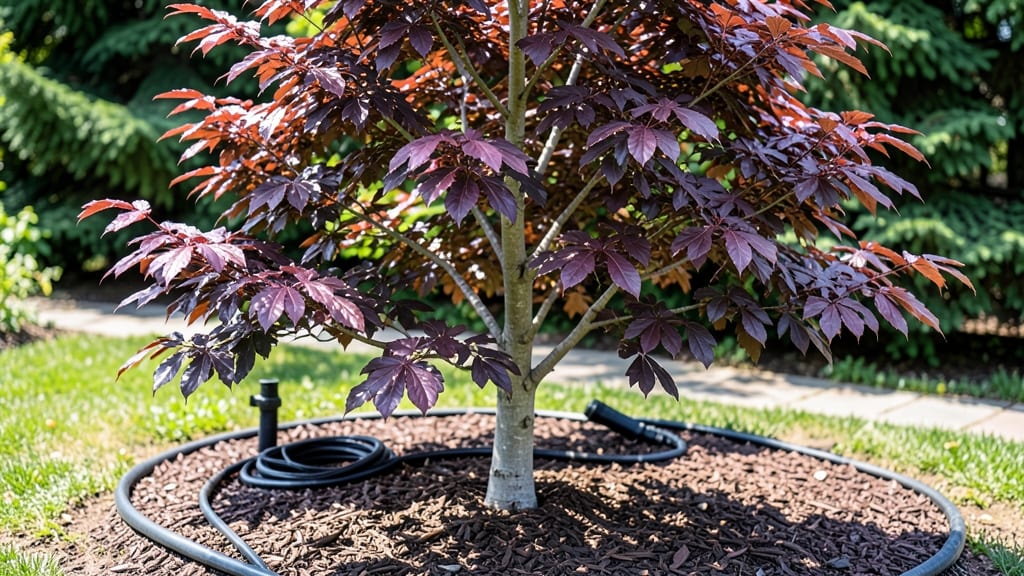
The small shade-tolerant trees I’ve planted finally brought life to my gloomy garden—no more sad, wilting shadows, just thriving greenery that actually works. 🌿 Their delicate foliage and graceful forms bring structure to shadowy spots while keeping your garden vibrant.
These trees fit perfectly in tight spaces, whether you need privacy near a patio, a focal point under mature oaks, or an understory layer that softens a shady border. Some stay under 10 feet tall, making them ideal for small yards or urban gardens where big trees can’t fit.
The right species even handles poor soil and occasional drought once established. You’ll love how they layer texture and color—think velvety leaves, striking bark, or clusters of tiny flowers that attract pollinators even in low light.
Pair them with ferns, hostas, or shade-loving perennials for a cohesive, low-maintenance design that feels intentional, not accidental. The key is choosing species that match your shade level and space. Dappled light? Go for dogwoods or serviceberry. Deep shade? Try Japanese maples or Eastern redbud.
Each brings its own charm while keeping your garden’s soul alive in the shadows.
📚 In This Guide
- What you need
- Instructions
- Tips and common mistakes
- Wrapping up and next steps
What you need
- ● Shade-tolerant tree saplings: Choose from varieties like Japanese Maple (Acer palmatum), Dwarf Ficus (Ficus microcarpa), or Eastern Redbud (Cercis canadensis). Buy 1-3 plants depending on spacing needs.
- ● High-quality potting soil or well-draining garden soil: 5-10 gallons per tree (amend with compost for nutrients).
- ● Organic mulch (e.g., wood chips or pine straw): 3-5 cubic feet to retain moisture and suppress weeds.
- ● Slow-release fertilizer: 1-2 pounds (look for a balanced NPK ratio like 10-10-10).
- ● Watering can or hose with a gentle spray nozzle: For deep, even hydration.
- ● Garden trowel or spade: For digging holes (size depends on root ball—2-3 times wider than the container).
- ● Gloves: Heavy-duty to protect hands while handling soil and roots.
- ● Measuring tape or ruler: To ensure proper spacing (6-10 feet apart for mature size).
- ● Pruning shears: For trimming dead branches or shaping young trees.
- ● Tree stakes and ties: For young, top-heavy trees in windy areas.
- ● Soil moisture meter: To monitor watering needs in dense shade.
- ● Epsom salt or iron supplements: If leaves show signs of chlorosis (yellowing).
- ● Decorative stones or bark mulch: For a polished, low-maintenance look.
How to select and plant small shade-tolerant trees
Here's how I transform dark corners into elegant, sun-free retreats with trees that thrive in shade.
🌱 Step 1: Choose the Right Tree for Your Space
Look for varieties labeled "shade-tolerant" or "partial shade" on nursery tags. Japanese maples (Acer palmatum) and serviceberry (Amelanchier) handle low light beautifully while keeping their compact size. I always check mature height—most stay under 10 feet, perfect for small yards. Avoid trees that need full sun, like crape myrtles or fruit trees.
Consider your space's specific conditions. Trees like dogwood (Cornus) tolerate dry shade, while ferns and hostas pair well with moisture-loving varieties like the Eastern redbud (Cercis canadensis). Measure your planting area—6-8 feet of clearance lets roots spread without crowding sidewalks or foundations.
🪴 Step 2: Prepare the Planting Site
Dig a hole twice as wide as the root ball but no deeper—this prevents soil from settling and smothering roots. Loosen the sides of the hole with a shovel to encourage root growth into surrounding soil. I always mix the native soil with 1 part compost (from the materials list) to improve drainage and fertility.
For clay-heavy soil, add a 2-inch layer of coarse sand at the bottom of the hole to prevent water pooling. If your area has poor drainage, consider a raised bed or mound for the tree. Water the hole thoroughly 24 hours before planting—this helps roots establish faster once they're in the ground.
☀️ Step 3: Plant with Proper Spacing and Support
Remove the tree from its container and gently loosen the roots if they're circling. Place it in the hole so the top of the root ball sits 1 inch above ground level—this prevents rot from sitting water. Fill the hole with soil, tamping lightly every 6 inches to remove air pockets without compacting roots.
Water deeply after planting to settle the soil, then add 2-3 inches of mulch (like shredded bark) around the base, keeping it 6 inches away from the trunk. Stake only if your tree is top-heavy or in a windy spot—use 2 stakes on opposite sides and tie loosely with fabric strips to avoid girdling the trunk.
💧 Step 4: Water and Maintain Through Establishment
Water deeply 2-3 times per week for the first 6 weeks, ensuring moisture reaches 12 inches down. Shade-tolerant trees still need consistent moisture, but avoid soggy soil—container-grown trees dry out faster than field-grown ones. Check soil moisture by sticking your finger 2 inches deep; if it's dry, water again.
Fertilize lightly in spring with a balanced, slow-release fertilizer (10-10-10) to encourage root growth. Prune only to remove dead branches or shape the tree in early spring—avoid heavy pruning, which stresses shade-loving species. Watch for yellowing leaves, a sign of overwatering or nutrient deficiency.
⏰ Step 5: Monitor Growth and Adjust Care
After 6 months, reduce watering to once a week unless your area has extreme heat or drought. Shade-tolerant trees establish slower than sun-lovers, so be patient—3-5 years is normal for full maturity. If leaves yellow in patches, it might need more light or a soil test to check pH levels.
Rotate your inspection path each season: check north and south sides for even sunlight exposure, and east and west for potential wind damage. If nearby trees or structures cast deeper shade, consider a dwarf variety like the 'Emerald Gaiety' spindle tree (Euonymus).
Tips & tricks for perfect small shade-tolerant trees
These simple strategies will help your compact shade trees thrive from the very first planting.
Selection Tip: I can't stress enough how important it is to verify the mature height of your chosen tree—especially in tight spaces. That 10-foot maximum height mentioned in Step 1 is for the fully grown tree, so check nursery labels carefully. For truly small spaces, look for varieties labeled "dwarf" or "miniature" that stay under 6 feet. I've seen some gardeners accidentally plant trees that will outgrow their space within 5 years!
Soil Prep Secret: The 24-hour pre-watering of the planting hole in Step 2 is a game-changer for root establishment. This isn't just about making the hole damp—it's about creating a moisture reservoir that helps roots extend outward immediately. For clay-heavy soils, I recommend adding that 2-inch sand layer AND mixing in some perlite to improve drainage. The goal is to mimic the tree's natural forest floor environment where moisture is available but not stagnant.
Planting Technique: When positioning your tree in Step 3, pay special attention to the 1-inch elevation above ground level. This might seem like a small detail, but it prevents that critical root flare from sitting below soil level, which can cause girdling and rot. After planting, I always do a final check by looking at the trunk-to-soil junction from all sides—it should form a gentle concave shape, not a straight line.
Watering Wisdom: The 2-3 times per week watering in Step 4 requires deeper understanding than most people realize. Those 12 inches of moisture penetration are crucial—you can test this by inserting a long screwdriver after watering. If it comes out dry, you need to water longer. For container-grown trees, I've found they often need watering every other day during the first 6 weeks because their roots are already stressed from being root-bound.
Pro Tips for Small Shade Tolerant Trees
- These simple strategies will help your compact shade trees thrive from the very first planting.
- Selection Tip: I can't stress enough how important it is to verify the mature height of your chosen tree—especially in tight spaces.
- Soil Prep Secret: The 24-hour pre-watering of the planting hole in Step 2 is a game-changer for root establishment.
Frequently asked questions
Got questions about small shade-tolerant trees? You’re not alone! Here are some of the most common concerns—and straightforward answers—to help you choose the perfect tree for your dimly lit spaces.
What are the best small shade-tolerant trees for urban gardens?
Top picks include Japanese Maple (for delicate foliage), Dwarf Fothergilla (fragrant flowers), and Boxwood (evergreen and versatile). These thrive in partial shade and stay compact—ideal for patios, borders, or tight spots. Pro tip: Check mature height tags to avoid surprises!
How long does it take for these trees to establish in shade?
Most small shade-tolerant trees take 1–3 years to fully establish, depending on soil quality and care. Dogwood and Serviceberry adapt faster, while slower growers like Hornbeam may need patience. Mulch and consistent watering speed up the process—especially in dry shade.
Can I plant these trees under existing mature trees?
Yes! Small shade-tolerant trees like Inkberry Holly or Dwarf Alberta Spruce handle root competition well. Plant 3–5 feet away from the host tree’s dripline to avoid root clashes. Avoid direct competition with aggressive roots (like Black Walnut or Eucalyptus).
What if my shade-tolerant tree isn’t thriving after a year?
Check these fixes:
- Soil: Amend with compost if soil is compacted or poor.
- Water: Shade-loving trees often need deep, infrequent watering (not soggy soil).
- Light: If leaves yellow, it may need slightly more light (but not full sun).
- Pests: Inspect for aphids or mites—neem oil helps!
Are there shade-tolerant trees that also provide privacy?
For a quick privacy screen, opt for Dwarf Nandina (dense foliage) or Emerald Green Arborvitae (evergreen). Plant in a tight row (3–4 feet apart) and prune annually. For taller options, Sky Pencil Holly grows vertically but stays narrow—perfect for corners!
Wrapping up and next steps
Small shade-tolerant trees bring elegance and life to those tricky, low-light spots in your garden—no excuses needed! From the delicate Japanese maple to the hardy dogwood, these compact beauties thrive where others falter, offering year-round interest with minimal fuss. 🌿✨
Ready to transform your shady corner? Start by assessing your space, then pick a tree that matches your style and needs. Plant it with confidence—your future shade oasis awaits!