
Light Requirements
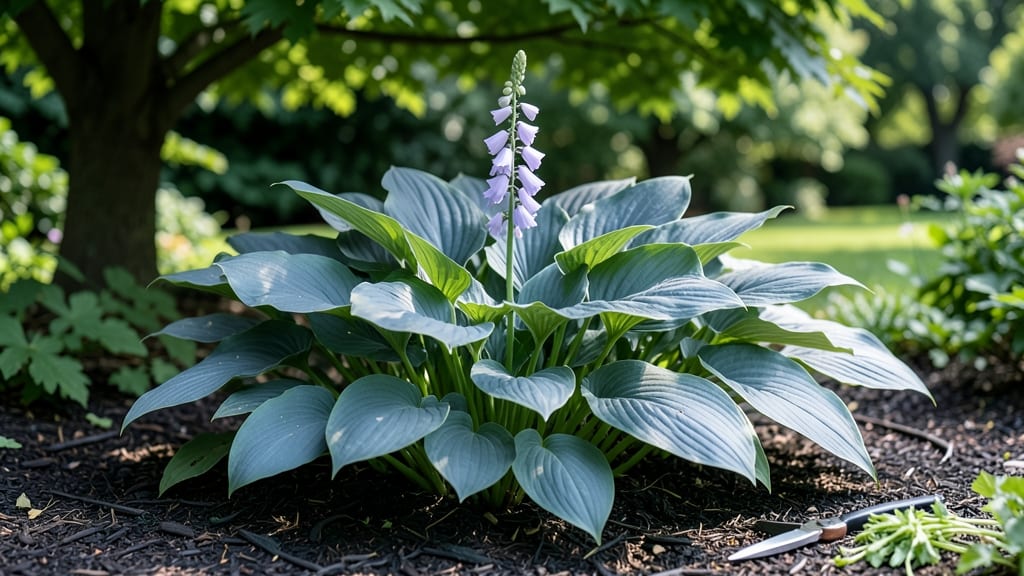
Shade-tolerant perennial flowers bring life to gardens where sunlight barely reaches. ✨ I’ve transformed my darkest corner into a vibrant display using plants that thrive under trees and along north-facing walls, proving that shade doesn’t mean sacrificing beauty.
These perennials—like hostas, astilbes, and bleeding hearts—offer lush foliage and striking blooms with minimal care. They’re perfect for busy gardeners who want color without constant upkeep, and their deep roots help suppress weeds naturally.
By layering plants of different heights and textures, you’ll create depth and interest that lasts all season. The key is matching moisture needs (most prefer consistently damp soil) and avoiding overcrowding. For a foolproof design, start with a mix of leafy ground covers, mid-height bloomers, and tall accents.
These bold combinations turn forgotten spaces into garden highlights that surprise every visitor.
📚 In This Guide
- What you need
- Instructions
- Tips and common mistakes
- Wrapping up and next steps
What you need
- ● Shade-tolerant perennial flowers: Choose from Hosta, Astilbe, Bleeding Heart, Lungwort, or Foxtail Fern (3–5 plants per variety for a balanced look).
- ● High-quality potting soil: 10–15 gallons (mix in compost for nutrients).
- ● Organic mulch: 2–3 inches (shredded bark or wood chips to retain moisture).
- ● Slow-release fertilizer: 10-10-10 or a balanced organic option (follow package rates).
- ● Watering can or hose: With a gentle spray nozzle for delicate foliage.
- ● Garden trowel or transplant spade: For digging holes (6–8 inches deep).
- ● Pruning shears: To trim dead leaves and encourage new growth.
- ● Gloves: Heavy-duty for protection while handling soil and plants.
- ● Measuring tape or ruler: To space plants 12–24 inches apart (depends on variety).
- ● Shade cloth: For seedlings or areas with partial shade.
- ● Epsom salt: 1 tablespoon per plant (boosts magnesium for greener leaves).
- ● Decorative stones or edging: To define garden beds and add flair.
- ● Self-watering planters: For containers or small spaces.
Step-by-Step guide to planting shade-tolerant perennial flowers
Here's how to create a vibrant shade garden that thrives year after year with minimal fuss.
🌱 Step 1: Choose the Right Perennial Varieties
Select shade-tolerant perennials that match your garden's light conditions. For deep shade (less than 3 hours of sun), try heuchera (coral bells), astilbe, or ferns. In partial shade (3-6 hours of sun), hostas, bleeding hearts, and lungwort will flourish. I always group plants with similar light needs to ensure consistent blooms.
Check plant tags for mature size—crowding happens fast in shade gardens. Space larger perennials like hostas 2-3 feet apart and smaller varieties like ajuga 12-18 inches apart. This prevents competition for moisture and nutrients, which is critical in low-light areas where growth is slower.
🪴 Step 2: Prepare the Soil for Optimal Growth
Shade-loving perennials thrive in well-draining, rich soil with 2-3 inches of organic matter mixed in. Amend your soil with compost or aged manure to improve fertility and structure. I like to work in a 5-gallon bucket of compost per 10 square feet—this ensures nutrients are evenly distributed without overwhelming roots.
Test soil moisture before planting. Shade gardens often stay damp longer, so add perlite or coarse sand if your soil feels heavy or clumps when squeezed. A soil test kit helps identify pH needs—most shade perennials prefer slightly acidic to neutral (6.0-7.0). Adjust with lime or sulfur if needed before planting.
☀️ Step 3: Plant With Proper Spacing and Mulch
Dig holes twice as wide as the root ball but no deeper. Gently remove plants from containers and loosen roots if they're circling. Place each plant so the top of the root ball sits level with the soil surface—burying too deep can suffocate stems. I tap the soil lightly around the base to eliminate air pockets, then water deeply to settle everything.
Apply 2-3 inches of mulch (wood chips or shredded bark) over the soil surface, keeping it 2 inches away from plant stems to prevent rot. Mulch conserves moisture, regulates soil temperature, and suppresses weeds—all critical in shade gardens where sunlight can't dry the soil quickly. Replenish mulch annually as it breaks down.
💧 Step 4: Water and Monitor for First-Growth Signals
Water newly planted perennials deeply once a week for the first 4-6 weeks, allowing 1 inch of water per week (more if your area is particularly hot or dry). Check soil moisture by sticking your finger 1-2 inches deep—if it feels dry, water again. Shade perennials often show stress through yellowing leaves or stunted growth before wilting, so stay vigilant.
Watch for new leaf growth within 2-4 weeks—this confirms roots are establishing. If leaves appear pale or limp, your plants may need more light or better drainage. A light balanced fertilizer (like 10-10-10) applied in early spring can give them a growth boost, but avoid heavy feeding in shade—it encourages leafy growth at the expense of blooms.
✂️ Step 5: Maintain and Divide as Needed
Deadhead spent blooms regularly to encourage more flowers and prevent seed production, which can weaken some perennials. In late summer, reduce watering slightly to harden off plants before dormancy. Most shade perennials benefit from a light trim in early spring to remove dead foliage and shape the plant—just cut back to healthy, green growth.
Divide clumps every 3-5 years when plants crowd out or bloom less vigorously. Early spring or fall are ideal times—dig up the entire plant, separate sections with a sharp knife, and replant immediately. This rejuvenates your garden and gives you free plants to share or expand your shade oasis.
Tips & tricks for perfect shade-tolerant perennial gardens
These practical insights will help you transform dark corners into thriving, low-maintenance gardens that flourish year after year.
Light Condition Strategy: The 3-6 hour sunlight range for partial shade is actually a spectrum—morning sun behaves differently than afternoon sun. If your garden gets intense afternoon sun, prioritize varieties like heuchera or astilbe that tolerate brief heat exposure. For consistent shade, ferns and lungwort are the most forgiving choices. I always map my garden's light patterns throughout the day to place sun-sensitive plants where they'll receive the mildest conditions.
Soil Preparation Secret: The 2-3 inches of organic matter recommendation is non-negotiable, but here's what nobody tells you—compost quality matters more than quantity. Use finished compost (dark brown, crumbly, with no strong odor) rather than fresh manure, which can burn tender roots. For heavy clay soils, mix in coarse sand or perlite at a 1:1 ratio with compost to create ideal drainage without sacrificing moisture retention.
Planting Depth Technique: When placing the top of the root ball level with the soil surface in Step 3, I've found this visual trick helps: The topmost roots should be just visible above the soil line. This prevents both suffocation from burial and exposure from planting too shallow. For container-grown plants, gently squeeze the root ball to loosen the outer edges before planting—this encourages roots to spread outward rather than circling.
Early Growth Observation: Those first 2-4 weeks after planting are critical for establishing roots, but here's what to watch for beyond just new leaf growth: Healthy roots will develop fine white hairs (rootlets) that help absorb nutrients. If your plants show new growth but leaves appear dark green with purple tinges, they're likely phosphorus-deficient—apply a light bone meal application at planting time to prevent this.
Pro Tips for Shade Tolerant Perennial Flowers
- These practical insights will help you transform dark corners into thriving, low-maintenance gardens that flourish year after year.
- Light Condition Strategy: The 3-6 hour sunlight range for partial shade is actually a spectrum—morning sun behaves differently than afternoon sun.
- Soil Preparation Secret: The 2-3 inches of organic matter recommendation is non-negotiable, but here's what nobody tells you—compost quality matters more than quantity.
Frequently asked questions
Got questions about bringing bold blooms to your shady spots?
You’re not alone! Here are answers to the most common queries about shade-tolerant perennial flowers—so you can garden with confidence, even in the darkest corners of your yard.
What are the easiest shade-tolerant perennials for beginners?
Start with foolproof picks like heuchera (coral bells), hostas, or astilbes. These thrive in low light, require minimal fuss, and deliver vibrant foliage or blooms. Bleeding heart (dicentra) is another winner—its delicate flowers add romance with almost no effort! For maximum impact, pair them with ferns or Japanese painted ferns for texture.
When is the best time to plant shade-loving perennials?
Plant in early spring (as soon as the ground is workable) or early fall (4–6 weeks before your first frost). This gives roots time to establish before extreme heat or cold. Avoid planting in peak summer—the stress can stunt growth. Pro tip: Water deeply after planting to reduce transplant shock!
Can shade-tolerant flowers survive in total darkness?
Most perennials need at least 3–6 hours of dappled or filtered light daily to thrive. True shade (like under dense trees) may limit options to foxglove, lungwort, or Japanese anemones. If your spot is pitch-black, consider hostas or carex sedges—they handle near-darkness better than most. Test your light levels with a light meter or observe how nearby plants grow.
How do I keep shade perennials blooming year after year?
Deadhead spent blooms (like astilbe or columbine) to encourage reblooming. Feed lightly in early spring with a balanced fertilizer (10-10-10) and mulch annually to retain moisture. Most shade plants are low-maintenance, but heuchera may need divided every 3–4 years to prevent overcrowding. Bonus: Divide clumps in spring for free plants!
What’s a great alternative if my shade garden is too damp?
If soggy soil is an issue, opt for marsh marigold (caltha), swamp milkweed (asclepias incarnata), or trollius (globeflower). These handle wet feet like pros! For drier shade, try lamium (dead nettle) or ajuga (bugleweed). Amend heavy clay with compost or sand to improve drainage—your perennials will thank you!
Wrapping up and next steps
Shade-tolerant perennial flowers are a game-changer for transforming dull, dark corners into vibrant, low-maintenance havens! 🌿 From hardy hellebores to cheerful astilbes, these beauties prove that even the trickiest spots can burst with color—without sacrificing sunlight.
Whether you’re a seasoned gardener or a beginner, these resilient plants offer easy wins for year-round interest.
Ready to level up your garden? Start small: pick one shade-loving star (like heuchera or ferns) and experiment with textures and heights. Before you know it, your shady spots will be the neighborhood envy—and your green thumb will thank you! 🌸