
Container Gardens
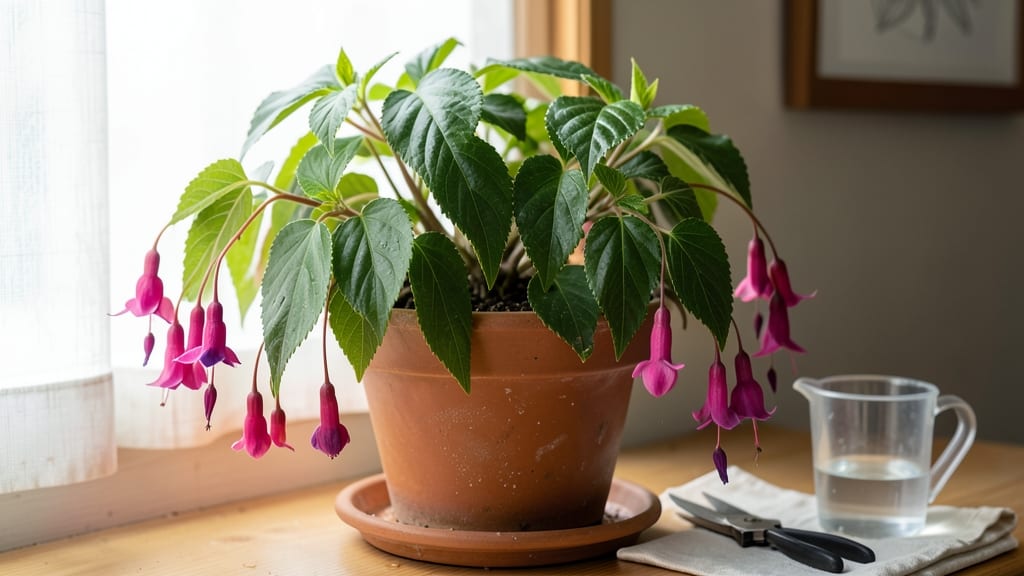
North-facing window boxes don’t have to be a blank canvas—shaded window box flowers can create year-round elegance with the right plants. 🌿 I’ve filled mine with velvety begonias and delicate ferns that thrive where direct sun would scorch, proving shade doesn’t mean dull.
The secret lies in choosing plants that love moisture and dappled light, like impatiens or heuchera, which burst with color even in dim corners.
Start with a mix of heights: trailing fuchsias spill over the edges, while upright lobelias add vertical interest. My boxes stay lush with weekly misting and a slow-release fertilizer, cutting back on maintenance while keeping blooms vibrant.
The key is spacing—crowded plants compete for light, so give each variety its own breathing room. A little mulch on top locks in moisture, perfect for urban balconies where watering isn’t always convenient.
By summer, your window box becomes a fragrant oasis of burgundy, lime green, and soft pinks. In cooler months, evergreen heather or dusty miller adds texture, ensuring your space stays inviting year-round.
The best part? These plants are beginner-friendly—they forgive occasional neglect and reward patience with nonstop blooms. Even a tiny windowsill can become a showstopper with the right shade-loving stars.
For city dwellers or small-space gardeners, this setup works indoors too—just swap the window box for a deep tray near a bright (but indirect) light source. The same principles apply: moisture-loving plants, layered heights, and a dash of creativity. Your north-facing view will thank you.
📚 In This Guide
- What you need
- Instructions
- Tips and common mistakes
- Wrapping up and next steps
What you need
- ● Window box: A sturdy, weather-resistant box (12–24" wide, 6–12" deep, 4–6" tall). Ensure it has drainage holes!
- ● Potting soil: High-quality, well-draining container mix (10–20 lbs, depending on box size). Avoid garden soil—it compacts!
- ● Drainage layer: Small pebbles, perlite, or broken pottery (1–2" thick) to prevent root rot.
- ● Shade-tolerant flowers: Annuals: Impatiens (10–12 plants), Fuchsias (6–8 plants), Begonias (8–10 plants), or Coleus (for foliage).
- ● Perennials: Heuchera (4–6 plants), Astilbe (3–4 plants), or Hosta (2–3 plants for texture).
- ● Slow-release fertilizer: 10–10–10 or organic options (follow package rates for container plants).
- ● Watering can or hose with a gentle spray nozzle: For deep (but not soggy) hydration.
- ● Pruning shears: Sharp, clean pair for trimming dead blooms or overgrowth.
- ● Mulch (1–2" of shredded bark or coconut coir) to retain moisture.
- ● Self-watering reservoir (for travel or inconsistent watering).
- ● Decorative accents: Moss, small pebbles, or solar-powered lights for ambiance.
- ● Plant labels (if you love organization or have a mix of varieties!).
Step-by-step instructions for creating a stunning shaded window box
Here's how to transform a north-facing window into a vibrant display—no gardening experience needed.
🪴 Step 1: Choose the Right Window Box and Position
Select a box with drainage holes and a depth of at least 6 inches—shallow boxes dry out too fast. I prefer 8-10 inch deep boxes for better root space. Place it where it gets 3-6 hours of indirect light daily, like a north-facing window. Avoid spots with harsh afternoon sun or deep shade.
Check the box's width—12-18 inches is ideal for 4 plants (our target). If your box is wider, divide it into sections with dividers or plant in groups of 4. The key is spacing: plants need 4-6 inches apart at maturity to avoid crowding. I always test-fit my plants before buying to avoid surprises.
🌱 Step 2: Prepare the Soil Mix for Shade-Loving Plants
Use a lightweight potting mix with 20% perlite or vermiculite to improve drainage—shaded plants rot faster when soggy. Mix in ½ cup of compost per cubic foot of soil for nutrients. I like to add a handful of orchid bark (about ½ cup) to keep the mix airy.
Fill the box ¾ full with your mix, then tap gently to settle it. Leave 1 inch at the top for watering. Don’t pack it down—shaded plants need loose soil to breathe. If your box has no drainage holes, add a 1-inch layer of gravel at the bottom first to prevent waterlogging.
☀️ Step 3: Select and Plant Shade-Tolerant Annuals
For year-round color, I plant impatiens, fuchsias, and begonias in spring, then swap for pansies and violas in fall. Start with 4 plants per box—two taller ones (like fuchsias) at the back, two trailing ones (like impatiens) at the front. Dig holes twice as wide as the root ball but only as deep—burying stems too deep suffocates them.
Space plants 4-6 inches apart and water deeply right after planting. Press the soil gently around the roots to remove air pockets. Here’s the thing—shaded plants wilt faster in dry air, so I always water until ½ inch of water drains out the bottom. Check soil moisture by sticking your finger 1 inch deep—if it’s dry, water again.
💧 Step 4: Water and Maintain for Consistent Blooms
Water every 2-3 days in summer, but check the soil first—shaded plants need consistent moisture but hate soggy roots. I use a watering can with a narrow spout to avoid disturbing the soil. Water in the morning so leaves dry by evening, preventing fungal diseases.
Fertilize every 4-6 weeks with a balanced liquid fertilizer (10-10-10). I mix ½ teaspoon per gallon of water and apply it when the soil is moist. Deadhead spent blooms weekly—this encourages nonstop flowers. If leaves yellow, it’s usually overwatering; if they brown, it’s too little light or dry air. Adjust accordingly.
✂️ Step 5: Refresh Plants Seasonally for Year-Round Color
In late summer, replace fading annuals with fall-blooming pansies or snapdragons. These thrive in cooler temps and add color until frost. In spring, swap them back for impatiens or coleus. I always keep a few evergreen heuchera or sweet potato vine in the mix—they add texture when flowers fade.
Prune leggy stems back by ⅓ in spring to encourage bushier growth. Trailing plants like fuchsias may need light trimming to keep them from overpowering the box. Here’s my pro tip: Rotate the box every 2 weeks so all sides get even light—plants grow straighter and fuller this way.
Tips & tricks for perfect shaded window box arrangements
A few simple strategies will help you create a thriving shaded window display that stays vibrant all year long.
Light Assessment: North-facing windows get consistent but indirect light, but not all spots are equal. Test your window's light conditions for a full week before planting—place a white piece of paper near the box at different times. If it stays completely white, you need more light-tolerant plants like heuchera or coleus. If it shows slight yellowing, your current plant choices will thrive. The 3-6 hours of indirect light we aim for is perfect for most shade-loving annuals, but this varies by season.
Soil Prep Secret: The 20% perlite or vermiculite in your soil mix is non-negotiable for shaded containers. I've learned the hard way that skipping this leads to root rot—especially in those 8-10 inch deep boxes where water pools. For extra insurance, mix in ½ cup of orchid bark per cubic foot of soil. This creates air pockets that prevent compaction, which is crucial since shaded plants can't photosynthesize as efficiently as sunny ones. Don't forget to leave that 1 inch at the top for watering—this space prevents spills and helps maintain consistent moisture levels.
Plant Spacing Strategy: When arranging your 4 plants per box, think vertically as much as horizontally. Place taller varieties like fuchsias at the back and trailing types like impatiens at the front, but don't just eyeball it. Use a ruler to mark 4-6 inch intervals before planting. I've found that plants in shaded boxes actually grow more slowly than their container-grown counterparts, so slightly tighter spacing (closer to 4 inches) gives them room to fill out without looking crowded. The key is to create that layered, lush look while maintaining good airflow between stems.
Watering Technique: That ½ inch of water drainage after each watering is more important than you might think. I've developed a simple test: stick your finger 1 inch deep into the soil—if it feels dry, water again. For morning watering, I set a timer for every 2-3 days in summer, but adjust based on your home's humidity. If you notice leaves curling slightly during the day, that's your plant's way of saying "I need more moisture." The narrow spout on my watering can helps direct water right to the roots without disturbing the soil surface, which is especially important for those delicate shade plants.
Pro Tips for Shaded Window Box Flowers
- A few simple strategies will help you create a thriving shaded window display that stays vibrant all year long.
- Light Assessment: North-facing windows get consistent but indirect light, but not all spots are equal.
- Soil Prep Secret: The 20% perlite or vermiculite in your soil mix is non-negotiable for shaded containers.
Frequently asked questions
Got questions about keeping your shaded window box flowers thriving? You’re not alone! Here are some common concerns—and easy solutions—to help you create a lush, low-light garden all year.
What are the best flowers for a north-facing window box?
Opt for shade-tolerant varieties like heuchera (coral bells), impatiens, begonias, fuchsias, and astilbes. These thrive in indirect light and add vibrant color. Avoid sun-loving plants like geraniums or petunias—they’ll quickly wilt!
How often should I water shaded window box flowers?
Check soil moisture daily in summer; water when the top inch feels dry. In cooler months, reduce to once a week, as shaded areas retain moisture longer. Pro tip: Use a self-watering box or drip system to prevent over- or under-watering.
Can I grow flowers in a north-facing window box year-round?
Yes! Choose cold-hardy annuals (like pansies) or evergreen foliage (like heuchera) for winter. Swap out tender plants in fall for seasonal varieties. Just ensure your box is well-draining and protected from harsh winds.
Why are my shaded flowers turning yellow or leggy?
Yellow leaves often mean overwatering or poor drainage. Leggy growth? Your plants need more light—try rotating the box or adding a reflective surface behind it. Fix it: Trim back overgrown stems and fertilize lightly with a balanced, water-soluble mix.
Are there low-maintenance alternatives to traditional flowers?
Try ferns, hostas, or ivy for texture and minimal fuss. Sedum (stonecrop) and lamium also handle shade well and require little pruning. Perfect for busy gardeners!
Wrapping up and next steps
Transforming your north-facing window box into a year-round floral haven is easier—and more rewarding—than you think! With the right shade-tolerant blooms, proper soil prep, and a little TLC, you’ll enjoy vibrant color and lush greenery without harsh sunlight.
Whether you’re a gardening newbie or a seasoned pro, this guide proves that elegance thrives in the shade.
Ready to elevate your space? Start small—pick one or two plants from our curated list, gather your supplies, and dive in! 🌸 Grab your tools and let your window box shine!