
Tools
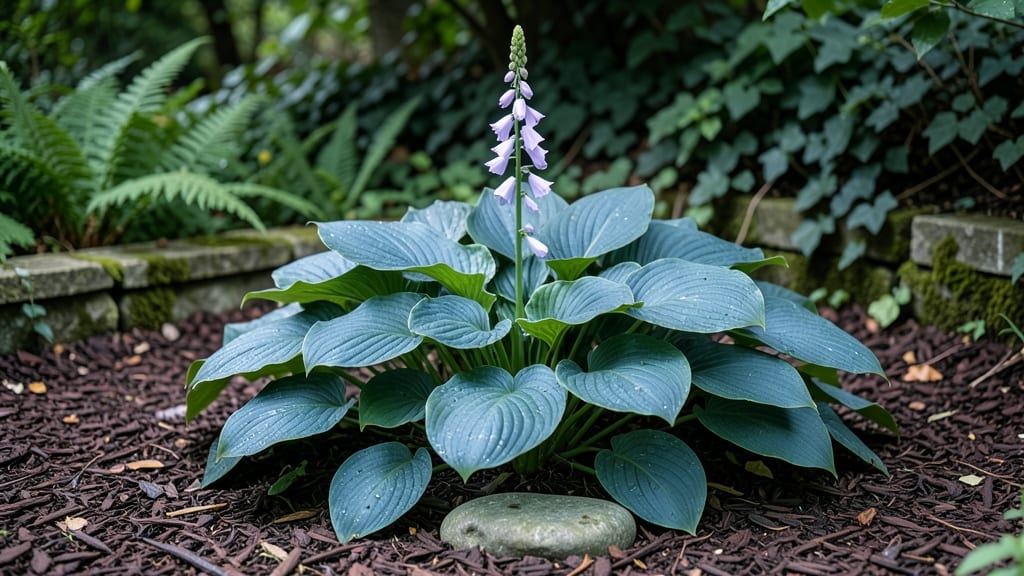
A shaded flower garden blooms where others fail—proof that beauty doesn’t need six hours of sun. 🌿 Last spring, I transformed a dim corner under my oak tree into a lush retreat using plants that thrive in dappled light, and the results surprised even my skeptical neighbors.
The key is choosing the right plants and arranging them to make the most of whatever light filters through.
Start with shade-tolerant stars like heuchera (with its jewel-toned leaves), astilbe (feathery plumes in pink or white), and hostas (classic, low-maintenance workhorses). For deeper shade, ferns and bleeding hearts add texture and drama.
Layer these with bulbs like snowdrops and spring ephemerals that bloom before the canopy fully fills in. Mulch heavily to keep roots cool and retain moisture—this is non-negotiable in low-light spots.
By mid-summer, your garden will be a fragrant, textured oasis that feels alive even when the sun’s gone. The trick is mixing heights and colors: tall foxgloves behind impatiens in front, with coleus adding pops of burgundy or lime.
A few metal trellises or stone steps can frame the space without stealing light. Maintenance is minimal—just deadhead spent blooms and water consistently, and you’ll have a garden that thrives all season long.
This design works for patios, woodland edges, or north-facing yards—anywhere sunlight is scarce. The only mistake I made? Waiting too long to plant. Once you see how quickly shade plants fill in, you’ll wonder why you didn’t start sooner. Let’s get growing!
📚 In This Guide
- What you need
- Instructions
- Tips and common mistakes
- Wrapping up and next steps
What you need
- ● Soil: 5–10 bags (2–3 cubic feet each) of well-draining, moisture-retentive potting mix or peat-based soil (avoid heavy clay). For larger gardens, consider compost-enriched topsoil.
- ● Mulch: 2–3 bags of organic mulch (e.g., shredded bark, pine needles, or cocoa hulls) to retain moisture and suppress weeds.
- ● Shade-tolerant plants: Perennials: Hostas, ferns, astilbes, heucheras, or lungwort (5–10 plants per section).
- ● Annuals: Impatiens, begonias, or fuchsias (10–20 plants for color bursts).
- ● Ground covers: Sweet woodruff, creeping phlox, or ajuga (enough to fill gaps).
- ● Fertilizer: Slow-release balanced fertilizer (10-10-10) or organic options like fish emulsion or compost tea (follow package rates).
- ● Digging tools: Garden trowel, hand fork, or transplanting spade (essential for precision!).
- ● Measuring & marking: Measuring tape, stakes, and string or garden flags for layout planning.
- ● Watering: Watering can (with rose attachment) or soaker hoses for gentle hydration.
- ○ Optional but helpful: Garden kneeler/pad (for comfort!).
- ● Pruners (for shaping plants).
- ● Wheelbarrow (for hauling soil/mulch).
- ● Location: A shaded area receiving 2–6 hours of dappled or filtered sunlight daily (test with a light meter or observe the space for a week).
- ● Drainage: Ensure the area isn’t prone to waterlogging (amend soil if needed with perlite or sand).
- ● Access to water: A nearby hose or water source for consistent care.
- ● Time commitment: 1–2 hours weekly for watering, weeding, and light maintenance.
Step-by-step design for a thriving shaded flower garden
Here’s how to create a lush, sun-free garden that blooms reliably year-round—no direct sunlight required.
🌿 Step 1: Assess Your Shade Conditions
Start by mapping your shade levels across the space. Dappled shade (filtered light through trees) allows more sun-tolerant flowers, while deep shade (under dense canopies) demands shade-loving species. I always test with a 12-inch ruler at noon: if you get less than 2-3 hours of indirect light, you’re in deep shade territory.
Notice where light shifts throughout the day—morning sun might hit one corner while the rest stays dark. This helps determine where to place sun-hungry annuals (like impatiens) versus shade specialists (like hellebores). A simple sketch with shaded and sunlit zones prevents costly mistakes later.
🪴 Step 2: Choose the Right Plants for Each Shade Layer
For partial shade (3-6 hours of light), prioritize astilbe, hydrangeas, and foxgloves—they thrive with morning sun and afternoon shade. In deep shade (<3 hours of light), focus on hostas, ferns, and lungwort, which tolerate low light but still deliver texture and seasonal interest.
I layer plants by height: tall perennials (like Japanese forest grass) go at the back, mid-height bloomers (like bleeding heart) in the middle, and ground covers (like ajuga) in front. This creates depth and prevents leggy growth from competing for light. Always check plant tags for mature size—crowding is the fastest way to stunted blooms.
☀️ Step 3: Prepare the Soil for Moisture-Retentive Growth
Shade gardens need well-draining yet moisture-retentive soil. Amend native soil with 2-3 inches of compost and a 1-inch layer of peat moss or coconut coir to improve water retention. I avoid heavy mulches like wood chips in deep shade—they decompose slowly and can suffocate roots.
Test soil moisture weekly by pressing your finger 1 inch deep. If it feels dry, water deeply until moisture reaches 6 inches down. Overwatering in shade is a common mistake—roots rot faster when they can’t dry out between waterings. A drip irrigation system on a timer keeps moisture consistent without soggy patches.
💧 Step 4: Plant and Mulch for Year-Round Interest
Dig holes twice as wide as the root ball but no deeper—this encourages outward root growth for stability. Place each plant so the top of the root ball sits ½ inch below soil level to prevent crown rot. I group plants with similar water needs together (e.g., ferns and hellebores) to simplify care.
Mulch with 2-3 inches of shredded bark or leaf mold to suppress weeds and retain moisture. Avoid fresh wood chips—they draw nitrogen from soil as they decompose, starving your plants. In fall, add a 1-inch layer of compost over the mulch to feed roots through winter.
⏰ Step 5: Maintain Seasonal Care for Continuous Blooms
Prune spent blooms in spring to encourage astilbe and hydrangeas to rebloom, but leave seed heads on grasses and perennials for winter interest. Fertilize lightly in early spring with a balanced 10-10-10 formula—shade plants need less food than sun-lovers, and overfeeding leads to weak stems.
Watch for powdery mildew on crowded leaves—space plants properly and water at the base to prevent fungal issues. In late summer, reduce watering slightly to harden off plants before fall. A well-planned shade garden should have something in bloom from early spring to frost, with foliage interest filling the gaps.
Tips & tricks for perfect shaded flower garden design
Transforming shade into a vibrant garden takes strategy—not luck. Here's how to sidestep common pitfalls and create a thriving space that rivals sunlit gardens.
Light Mapping Precision: Use a 12-inch ruler at noon to measure light exposure—this is the only reliable way to distinguish between dappled and deep shade. I've seen gardeners overestimate light availability by up to 50% when relying on visual inspection alone. Mark your zones with stakes and label them clearly before making any purchases. This simple step prevents costly mistakes when selecting plants that won't thrive in their actual light conditions.
Seasonal Light Shifts: Pay attention to how light patterns change throughout the year. That corner receiving morning sun in summer might become completely shaded in winter when deciduous trees are bare. I always plant sun-hungry annuals (like impatiens) in areas that get at least 3 hours of light during the darkest winter months. This ensures your garden stays vibrant even when daylight is limited.
Soil Amendments Strategy: When preparing your soil, mix the 2-3 inches of compost and 1-inch layer of peat moss or coconut coir thoroughly into the top 6 inches of soil, not just on the surface. I use a broadfork to loosen compacted soil first—this creates better drainage while allowing moisture retention. The key is creating a sponge-like texture that holds water without becoming waterlogged, which is crucial for shade plants that can't dry out between waterings.
Plant Layering Technique: For maximum impact, create three distinct layers when planting: tall perennials (3-4 feet) at the back, mid-height bloomers (1-2 feet) in the middle, and ground covers in the front. This vertical arrangement prevents legginess and creates depth perception. I always space plants according to their mature size—crowding is the fastest way to stunted growth and poor blooming. Check plant tags for mature dimensions before purchasing, as nursery pots often underrepresent final size.
Pro Tips for Shaded Flower Garden
- Transforming shade into a vibrant garden takes strategy—not luck.
- Light Mapping Precision: Use a 12-inch ruler at noon to measure light exposure—this is the only reliable way to distinguish between dappled and deep shade.
- Seasonal Light Shifts: Pay attention to how light patterns change throughout the year.
Frequently asked questions
Got questions about creating a thriving shaded flower garden? You’re not alone!
Here are answers to the most common concerns—from choosing the right plants to troubleshooting challenges.
What are the best flowers for deep shade (less than 3 hours of sunlight)?
Opt for hostas, impatiens, astilbes, ferns, and bleeding hearts—they thrive in low light. For partial shade (3–6 hours of sun), try coleus, begonias, or heuchera. Native plants like trilliums or jack-in-the-pulpit are also great choices for dappled shade.
When is the best time to plant a shaded flower garden?
Plant in early spring or fall when soil is workable but not freezing. Avoid summer heat, which stresses roots. Container plants can be added anytime, but give them a few weeks to adjust before extreme temps hit.
How can I improve soil for shade-loving plants?
Shaded gardens often have compacted, acidic soil. Amend with compost, peat moss, or well-rotted manure to boost drainage and nutrients. A mulch layer (2–3 inches) retains moisture and regulates temperature—critical for shade plants!
Why are my shade plants wilting or yellowing?
Common culprits: overwatering, poor drainage, or nutrient deficiency. Check soil moisture (shade plants need consistent dampness, not sogginess). Yellow leaves may signal iron deficiency—try a chelated iron supplement or adjust pH (aim for 6.0–7.0).
Can I use containers for a shaded garden? Yes! What’s the best setup?
Containers work great for shade! Use fabric grow bags or self-watering pots with drainage holes. Opt for lightweight mixes (like 60% peat/40% perlite) to prevent root rot. Place pots near eaves or under trees for natural shade, and rotate them occasionally for even growth.
Wrapping up and next steps
A shaded flower garden proves that beauty thrives even without direct sunlight! By choosing the right plants, designing with layers, and leveraging creative lighting, you can create a lush, vibrant space that blooms year-round.
Whether you're working with a small balcony or a sprawling backyard, the key is confidence in your choices—trust that shade-loving flowers deserve just as much love as sun-soaked gardens.
Ready to transform your space? Start small—pick one corner or container to experiment with your newfound shade garden expertise. Before you know it, you’ll have a thriving, low-maintenance oasis that brings joy (and color!) to every season. 🌿✨