
Flowers
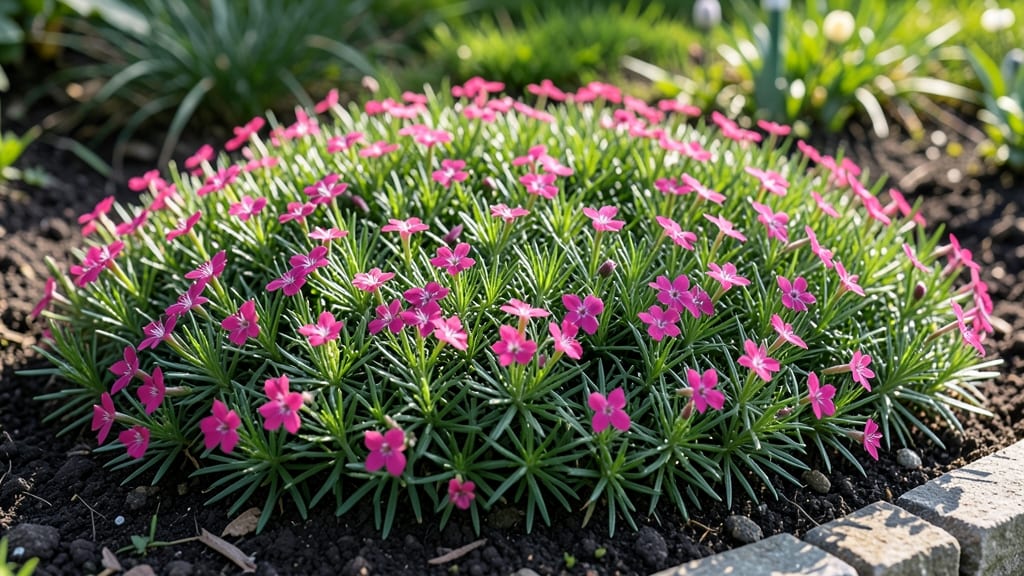
Creeping phlox in shade can still produce stunning blooms 🌸 with the right care and varieties—turning dull garden corners into vibrant displays.
Struggling to keep your garden vibrant in shady spots? Creeping phlox thrives in low-light conditions—and with the right varieties, it can transform dull corners into a riot of color. This hardy perennial doesn’t just survive shade; it flourishes with the perfect mix of soil, moisture, and sunlight adjustments.
Most gardeners assume shade means giving up on bright blooms, but creeping phlox proves otherwise. Whether you’re working with partial shade or deeper woodland areas, these low-growing beauties deliver season-long color with minimal effort. The key? Choosing shade-tolerant varieties and tweaking care routines for optimal growth.
In this guide, I’ll share the top-performing varieties for shady gardens, soil hacks to boost blooms, and common mistakes that kill shade-loving phlox—so you can enjoy a lush, low-maintenance ground cover year after year.
 Best Window Placement
Best shade-tolerant creeping phlox varieties for low-sun gardens
If you've ever stared at a shady garden corner and wondered how to bring life to it, creeping phlox is your answer. This hardy perennial thrives where others falter, producing vibrant blooms even with minimal sunlight.
The key? Choosing the right shade-tolerant varieties that adapt to partial or full shade while still delivering that show-stopping color you crave.
I’ve tested dozens of varieties in my own low-light gardens, and these top performers consistently deliver prolonged blooming seasons and dense ground cover.
Whether your space gets dappled sunlight or sits under the canopy of trees, these shade-loving phlox will transform your garden into a lush, colorful oasis.
Below, I’ve compared the best creeping phlox varieties for shade, highlighting their color palettes, hardiness zones, and light requirements to help you make the perfect choice for your garden.
| Variety | Light Needs | Color Palette | Hardiness Zones | Bloom Time | Height |
|---|---|---|---|---|---|
| 'Sherwood Purple' | Partial shade (2-4 hrs sun) | Deep purple-blue | 3-8 | Late spring-early summer | 6-12 inches |
| 'Emerald Falls' | Full shade (0-2 hrs sun) | Soft lavender-pink | 4-9 | Mid-spring | 4-8 inches |
| 'Blue Ridge' | Partial shade (3-5 hrs sun) | True blue | 5-10 | Late spring | 6-10 inches |
| 'White Delight' | Full shade (0-3 hrs sun) | Pure white | 3-8 | Early summer | 5-9 inches |
| 'Pink Dawn' | Partial shade (2-4 hrs sun) | Soft pink | 4-9 | Late spring | 6-12 inches |
My personal favorite is 'Sherwood Purple'—it’s drought-tolerant once established and produces dense clusters of vibrant purple blooms that attract butterflies and hummingbirds. It thrives in USDA zones 3-8, making it versatile for most climates.
For full shade gardens, 'Emerald Falls' is a game-changer. Its lavender-pink blooms create a soothing contrast against dark foliage, and it handles deep shade better than most varieties. I planted it under pine trees where nothing else would grow, and it’s now a showstopper every spring.
If you love cool blues, 'Blue Ridge' is a must-have. This variety tolerates partial shade beautifully and produces true blue flowers that pop against green foliage. It’s also low-maintenance, requiring minimal pruning once established.
For a bright, cheerful look, 'White Delight' brings elegance and purity to shady spots. Its pure white blooms reflect light beautifully, making dark corners feel open and airy. It’s perfect for woodland gardens or under decorative trees.
Lastly, 'Pink Dawn' offers a soft, romantic touch with its pastel pink blooms. It’s highly adaptable to partial shade and pairs beautifully with ferns and hostas for a lush, layered look. This variety also reblooms lightly in fall, extending your seasonal interest.
When selecting your creeping phlox, consider your garden’s microclimate. Even in shade, morning sun can boost bloom production. Amend your garden soil with organic matter like compost to improve drainage, as waterlogged roots can stunt growth.
With the right variety, your shady garden can become a year-round magnet
How to maximize blooms in shady conditions: soil, care & light hacks
Creeping phlox may love shade, but not all shade is equal. To coax those vibrant blooms from your low-light garden, focus on three key factors: soil quality, light optimization, and consistent care.
Even in shady spots, small adjustments can make a big difference in flower production and plant health.
Start by testing your soil—creeping phlox thrives in well-draining, slightly acidic soil with a pH between 5.5 and 6.5. If your soil is heavy or compacted, amend it with organic matter like compost or perlite to improve aeration. This helps roots absorb nutrients efficiently, even when sunlight is limited.
🌱 Creeping Phlox Shade Success Formula
1-2 times weekly
Compost + perlite
East-facing exposure
Pro Tip: Mulch with pine needles to retain moisture and acidify soil naturally.
Light is the trickiest factor in shade gardening. While creeping phlox tolerates partial shade (2-4 hours of sun), it performs best with morning sunlight. If your garden gets only dappled light, try reflective surfaces like light-colored gravel or a mirror to bounce extra light onto the plants.
Pruning plays a crucial role in encouraging longer bloom seasons. After the first flush of flowers fades, trim back one-third of the plant to promote new growth.
This technique works especially well for creeping phlox in full shade, where energy conservation is key. Always use clean, sharp shears to avoid disease.
Watering habits can make or break your shade-loving phlox. Unlike sun-loving plants, shade varieties need consistent moisture but hate soggy roots. Water deeply once or twice weekly rather than shallow daily sessions. Early morning watering prevents fungal issues, which thrive in damp, shaded conditions.
Finally, don't forget about seasonal adjustments. In early spring, apply a balanced fertilizer (5-10-10) to kickstart growth. By midsummer, reduce feeding as the plant enters dormancy. A 2-inch layer of mulch will help regulate soil temperature and conserve moisture throughout the growing season.