
Planting
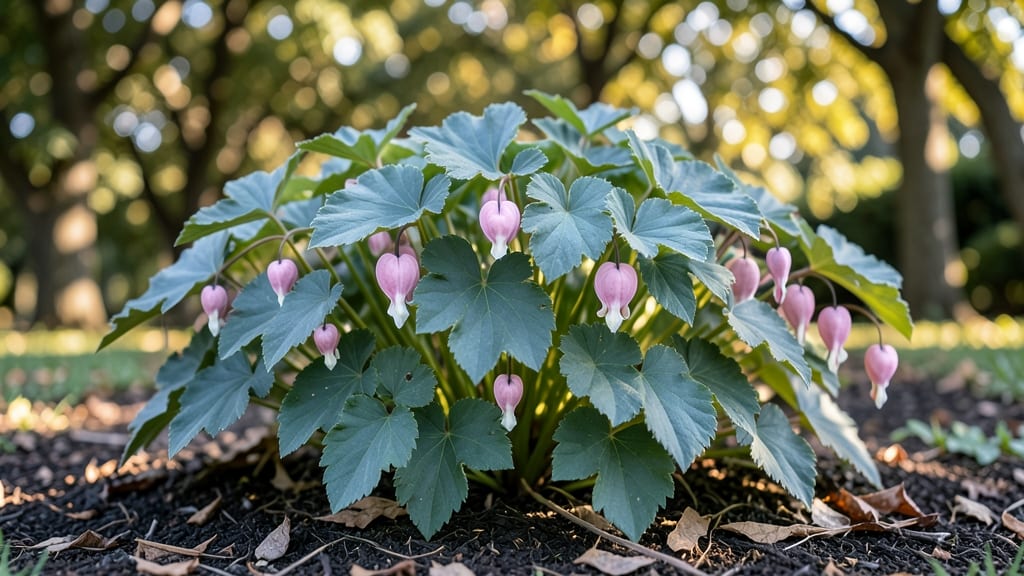
Your shade garden just got a showstopper—bleeding heart plants (Dicentra spectabilis) bring delicate, heart-shaped blooms that thrive where most flowers struggle. 💚 I’ve grown these for years, and their arching pink or white flowers create a dreamy, romantic display that lasts from spring through summer.
The secret to success lies in moist, well-draining soil and partial to full shade. Too much sun scorches the leaves, while too little light weakens the stems. Plant in spring or early fall when temperatures are mild, and water consistently to keep the soil evenly moist—never soggy.
By late spring, you’ll be rewarded with lush foliage and cascading blooms that turn heads. The plants even add texture and movement to shady corners, making them perfect for borders, woodland gardens, or under trees. With proper care, bleeding hearts return year after year, multiplying and spreading gently.
Here’s how to keep them thriving—no green thumb required.
📚 In This Guide
- What you need
- Instructions
- Tips and common mistakes
- Wrapping up and next steps
What you need
- ● Bleeding heart plant (Lamprocapnos spectabilis) – 1 to 3 nursery-grown plants (choose healthy specimens with lush foliage and unopened buds for best results).
- ● Well-draining potting mix or garden soil – 5–10 gallons, amended with compost (20–30% by volume) for improved fertility.
- ● Organic mulch – 2–3 inches of shredded bark, wood chips, or leaf mold to retain moisture and suppress weeds.
- ● Balanced fertilizer (10-10-10 or 20-20-20) – 1–2 tablespoons per plant (or follow label instructions for slow-release granules).
- ● Watering can or hose with a gentle spray nozzle – For deep, even hydration without disturbing roots.
- ● Garden trowel or hand shovel – For digging planting holes (6–8 inches deep and wide).
- ○ Gloves – Optional but recommended for handling soil and delicate stems.
- ● Container (if indoor/garden bed alternative) – 12–18 inches in diameter with drainage holes (terracotta or ceramic preferred).
- ● Pruners (sterilized) – For trimming dead foliage or leggy stems post-planting.
- ○ Shade cloth (optional) – 30–50% coverage if your area gets partial sun (bleeding hearts thrive in dappled light).
- ○ pH test kit (optional) – To ensure soil pH is 6.0–7.0 (ideal for bleeding hearts).
Step-by-step instructions for planting bleeding heart in shade
Here's how to create a stunning, low-maintenance shade garden using this graceful perennial.
🌱 Step 1: Choose the Right Location and Prepare the Soil
Bleeding hearts thrive in partial to full shade—select a spot that receives 2-4 hours of morning sun at most. They'll tolerate deeper shade but may produce fewer blooms. The ideal location has moist, well-draining soil with a slightly acidic to neutral pH (6.0-7.0). If your soil is heavy clay, amend it with 2-3 inches of compost mixed into the top 12 inches of soil.
Dig a hole twice as wide as the root ball but only as deep as the container's root base. This prevents burying the crown too deeply, which can cause rot. Loosen the sides of the hole gently with a trowel to encourage root spread. I like to add a handful of slow-release organic fertilizer to the bottom of the hole—this gives the plant a nutrient boost without overfeeding.
🪴 Step 2: Plant Bare-Root or Container-Grown Bleeding Hearts
For bare-root plants, soak the roots in lukewarm water for 1-2 hours before planting to rehydrate them. Position the plant in the hole so the top of the root ball sits level with the surrounding soil—never deeper. Spread the roots out gently if they're circling the root ball, and avoid bending them sharply.
If planting container-grown specimens, remove the plant carefully, keeping as much of the original soil around the roots as possible. This minimizes transplant shock. Backfill the hole with the amended soil, pressing lightly to eliminate air pockets but not compacting too firmly. Water deeply to settle the soil and eliminate gaps.
💧 Step 3: Water and Mulch for Moisture Retention
Water the newly planted bleeding heart deeply—until the soil is saturated 6-8 inches down. This encourages roots to grow deeply rather than staying shallow. After watering, apply a 2-3 inch layer of organic mulch (like shredded bark or wood chips) around the base, keeping it 2-3 inches away from the stem. Mulch helps retain moisture and suppresses weeds, but it must stay clear of the crown to prevent rot.
I know it seems counterintuitive, but don’t water again for 3-4 days unless the soil feels bone-dry. This gives roots time to establish without becoming waterlogged. After the initial week, water 1-2 times per week, providing 1 inch of water each time. Bleeding hearts are drought-tolerant once established, but they appreciate consistent moisture during their first growing season.
☀️ Step 4: Provide Light and Support for Healthy Growth
Bleeding hearts grow best in dappled shade or filtered light, so avoid deep, dark corners of the garden. If your yard has no natural shade, a light fabric shade cloth (30-50%) can protect them from harsh afternoon sun. They’ll still bloom but may produce slightly fewer flowers in full shade.
As the plant grows, its delicate stems may need support, especially in windy areas. Install a small stake or ring of pebbles around the base to prevent flopping. I’ve found that tall varieties (like ‘Diane’s Wedding’) benefit most from staking, while shorter types (like ‘Pink Heart’) usually stay upright on their own.
✂️ Step 5: Prune and Maintain for Long-Term Blooms
Bleeding hearts bloom on old wood, so never prune them in early spring—wait until after flowering, when the foliage starts to yellow. Cut back the stems to just above the ground or leave a few inches for winter interest. This encourages fresh, vigorous growth the following season.
Divide mature clumps every 3-4 years in early spring or fall to prevent overcrowding. Dig up the plant, separate the rhizomes, and replant the healthiest sections. I’ve learned the hard way that delaying division leads to fewer blooms and weaker stems—so don’t skip this step if your plant looks congested.
Tips & tricks for perfect bleeding heart plant care
Mastering these subtle details transforms your bleeding heart from a delicate transplant to a thriving garden star.
Soil Prep Secret: Before amending heavy clay soil with 2-3 inches of compost, mix in a handful of perlite or coarse sand to improve drainage. Bleeding hearts hate soggy roots, and this simple addition prevents the crown from rotting during those inevitable rainy spells. I've seen plants struggle in pure clay for years until I added this drainage boost—it makes all the difference.
Root Hydration Hack: That 1-2 hour soak for bare-root plants isn't just about hydration—it's about waking up dormant roots. Use lukewarm water (not cold) and add a rooting hormone powder (optional but helpful) to encourage faster establishment. Pro tip: Pat the roots dry slightly before planting to prevent waterlogging in the hole.
Mulching Strategy: The 2-3 inch mulch layer should extend 6-8 inches beyond the plant's drip line, not just around the base. This creates a moisture reservoir that helps during dry spells. I use cedar mulch because it naturally repels pests while breaking down slowly—just remember to pull it back 2-3 inches from the stem to prevent rot.
Pruning Precision: When dividing clumps every 3-4 years, look for rhizome sections with at least 3-4 buds. Smaller sections may not establish well. I've learned to mark the division points with a pencil before digging—this prevents accidentally breaking the delicate roots while separating. Always use sharp, sterilized pruners to make clean cuts.
Pro Tips for Bleeding Heart Shade Plant
- Mastering these subtle details transforms your bleeding heart from a delicate transplant to a thriving garden star.
- Soil Prep Secret: Before amending heavy clay soil with 2-3 inches of compost, mix in a handful of perlite or coarse sand to improve drainage.
- Root Hydration Hack: That 1-2 hour soak for bare-root plants isn't just about hydration—it's about waking up dormant roots.
Frequently asked questions
Got questions about growing your bleeding heart shade plant? You’re not alone! Here are some of the most common queries—and their answers—to help you nurture this stunning, low-light beauty with confidence.
How fast does a bleeding heart plant grow?
A healthy bleeding heart plant typically grows moderately fast, adding about 6–12 inches per year under ideal conditions. With proper care—like well-draining soil and partial shade—you’ll see steady growth, especially in spring and summer. Patience is key, though, as these plants often take 2–3 years to reach their full, lush potential!
Why isn’t my bleeding heart plant blooming?
If your plant is putting out leaves but no flowers, it might need a few tweaks:
- Light: Ensure it gets bright, indirect light (morning sun is ideal). Too little light delays blooms.
- Age: Younger plants (under 2 years) may focus on foliage first. Give it time!
- Fertilizer: Use a balanced, low-nitrogen fertilizer in early spring to encourage flowering.
- Stress: Avoid sudden changes in water or temperature, which can shock the plant.
Pro tip: Deadhead spent blooms to redirect energy into new flowers!
How often should I water a bleeding heart plant?
Water your bleeding heart when the top 1–2 inches of soil feel dry. Aim for consistent moisture—these plants hate soggy roots but dislike drying out completely. In hot weather, water 2–3 times per week; in cooler months, once a week may suffice. Mulch helps retain moisture and keeps roots cool.
Can I grow bleeding heart in containers?
Bleeding heart thrives in containers 12–18 inches wide, provided the pot has drainage holes and you use well-draining potting mix. Choose a shallow but wide container to accommodate its spreading roots. Repot every 2–3 years or when roots crowd the pot. Just be mindful: container-grown plants may need more frequent watering than those in the ground.
What are some low-maintenance alternatives to bleeding heart?
If bleeding heart seems too fussy, try these shade-tolerant, easy-care plants with similar charm:
- Astilbe: Feathery plumes in pink, white, or red; loves moisture.
- Hosta: Bold foliage in shades of green, blue, or gold; very hardy.
- Foamflower (Tiarella): Delicate white blooms and heart-shaped leaves.
- Japanese Painted Fern: Gorgeous variegated foliage; thrives in shade.
All of these are perennial and low-maintenance, perfect for busy gardeners!
Wrapping up and next steps
The bleeding heart shade plant is a stunning, low-maintenance addition to any garden or indoor space, offering delicate blooms and lush foliage with minimal fuss.
Whether you’re a seasoned gardener or a beginner, its adaptability and beauty make it a rewarding choice—just provide the right shade, soil, and care, and you’ll be greeted with heart-shaped blooms that bring joy year after year.
Ready to grow your own? Start small—plant one or two this season and watch your space transform! For extra tips, explore companion plants or creative container ideas to elevate your garden’s charm. 🌿✨