
Light Requirements
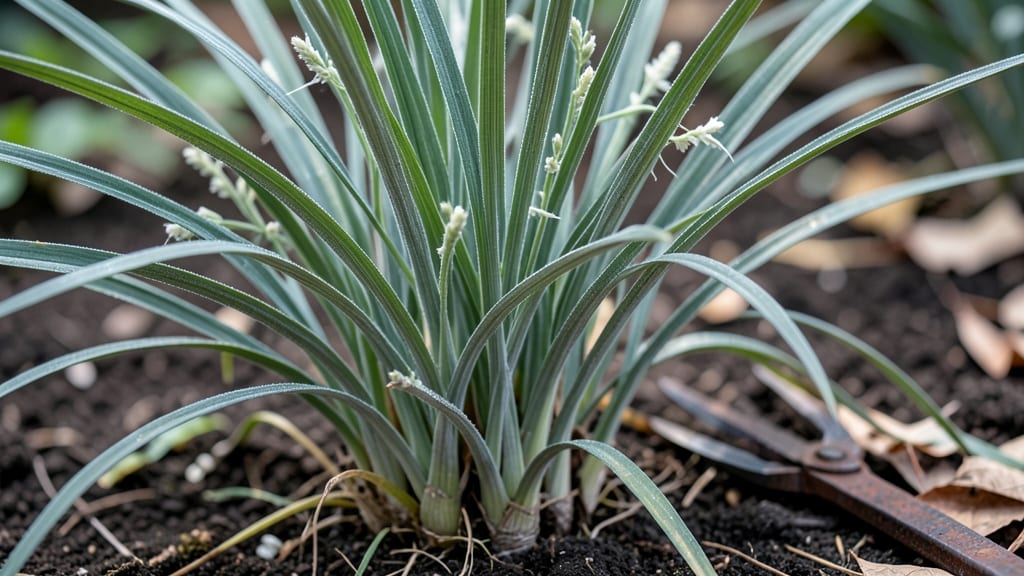
Transform your shaded garden into a fragrant retreat with shade-tolerant mosquito-repellent plants—no chemicals needed. 🌿 These natural pest-deters thrive where sun-loving herbs wilt, turning dark corners into serene, buzz-free havens.
The secret lies in their aromatic oils, which mosquitoes despise, combined with their ability to thrive under tree canopies or on north-facing walls.
Start with citronella grass (yes, it grows in partial shade) and lemongrass, both of which pack that familiar mosquito-repelling punch while staying lush in dappled light. Add lavender for its calming purple blooms and catnip—the plant that actually works better than DEET for some people.
These thrive in 4-6 hours of indirect light daily, making them perfect for patios, porch corners, or understory garden beds.
By strategically placing these plants in 3-5 foot tall containers along walkways or near seating areas, you create a natural barrier that keeps bugs away while adding texture and fragrance.
The best part? They multiply easily—just divide clumps in spring—and their scent improves with age, making your garden both functional and inviting all season long.
Pro tip: Pair them with ferns or hostas for height variation, and tuck in basil near the edges for extra protection. The combination creates a layered, pest-free retreat that even skeptical neighbors will envy. Ready to transform that shady spot into your favorite outdoor hangout?
How Mosquitoes Thrive Near Shade
Mosquitoes are notorious for their ability to turn even the coziest outdoor spaces into itchy battlegrounds. But why do they seem to prefer areas with shade-tolerant plants? The answer lies in a mix of environmental factors that create the perfect breeding and resting spots for these pests.
Understanding these causes can help you strategically place repellent plants to disrupt their cycle.
🌿 Limited Sunlight Creates Humid Microclimates
Shady areas—especially those under trees, dense foliage, or structures—tend to stay cooler and more humid than sunlit spaces. Mosquitoes, particularly Aedes and Anopheles species, thrive in these conditions because:
- Moisture retention: Shade slows evaporation, keeping soil and plant surfaces damp longer. Stagnant water in shaded spots (like plant saucers, leaf litter, or mulch) becomes prime breeding grounds for mosquito larvae. Even a shallow layer of water in a shaded pot can hatch hundreds of mosquitoes in days.
- Temperature regulation: Mosquitoes are cold-blooded and prefer temperatures between 68–86°F (20–30°C). Shade keeps areas within this ideal range longer, especially in hot climates where direct sun would otherwise drive them away.
- Higher humidity: Mosquitoes need humidity levels above 50% to survive. Shady gardens often maintain these levels, making them more attractive than dry, sunbaked spots.
Actionable tip: 💡 Place shade-tolerant repellent plants like citronella grass or lemongrass in partially shaded areas to disrupt these microclimates while still benefiting from their natural oils.
🌳 Dense Foliage Provides Hiding and Resting Spots
Mosquitoes are most active during dawn and dusk, when they seek shelter to avoid predators and dehydration. Shade-tolerant plants with broad leaves, thick canopies, or vines create ideal hiding spots because:
- Natural camouflage: Mosquitoes blend into the dappled light and shadows of shaded gardens, making them harder for birds, bats, or other predators to spot. Plants like catnip (a top mosquito repellent) have fuzzy leaves that trap moisture and provide perfect perches.
- CO₂-rich environments: Dense foliage increases carbon dioxide levels—mosquitoes are drawn to exhaled CO₂ from humans and animals, but they also use plant-respired CO₂ as a navigational cue in shaded areas.
- Wind protection: Shade reduces wind exposure, which mosquitoes dislike. A sheltered spot under a lavender bush or rosemary plant becomes a mosquito "safe zone" where they can rest undisturbed.
Actionable tip: 🌡️ Trim overgrown shade plants to reduce dense hiding spots, but leave enough foliage for repellent plants like bee balm (which deters mosquitoes with its thymol compounds) to thrive.
💧 Poor Drainage in Shaded Soil
Shady areas often have compacted or clay-heavy soil that drains poorly, leading to waterlogged conditions. This is a double-edged sword for mosquito control:
- Stagnant water buildup: Even if you don’t see puddles, shaded soil can hold moisture for weeks. Mosquitoes like Culex species lay eggs in as little as 1/4 inch (0.6 cm) of standing water, which can accumulate in:
- Plant saucers under pots
- Mulch piles that trap water
- Low-lying spots where rainwater pools
- Fungal growth: Waterlogged soil encourages fungi and decaying organic matter, which attract fungus gnats—a mosquito relative that thrives in shaded, moist conditions.
- Root competition: Some shade-tolerant plants (like hostas) have shallow roots that don’t dry out quickly. Their mulch or leaf litter can create hidden water reservoirs for mosquitoes.
Actionable tip: ✨ Improve drainage by adding perlite or sand to shaded garden beds, and elevate pots with drip trays that empty quickly. Choose repellent plants like marigolds (which also suppress fungal growth with their pyrethrin compounds).
🌙 Lack of Natural Predators in Shade
Sunlit areas attract more mosquito predators, like dragonflies, bats, and spiders, which actively hunt during the day. In shaded spaces:
- Reduced predator activity: Birds and bats avoid dense shade, leaving mosquitoes with fewer threats. Even beneficial insects like ladybugs (which eat mosquito larvae) are less active in low-light conditions.
- Limited UV exposure: Some mosquito-repelling plants (like basil) release more citronellal when exposed to sunlight. In shade, their repellent effects weaken because their metabolic processes slow down.
- Isolation from wind: Wind disperses mosquito populations, but shaded areas trap them in localized zones, increasing their numbers near your repellent plants.
Actionable tip: 🎯 Place a small bird feeder or bat house near the edge of shaded areas to encourage predators to patrol the perimeter. Pair repellent plants with sun-loving varieties (like rosemary) at the garden’s edge to maximize predator activity.
Quick Fixes for Mosquito-Proof Shady Spaces
If your shaded garden is a magnet for mosquitoes, don’t despair—there are simple, science-backed ways to turn it into a repellent powerhouse. Below, we’ve mapped common challenges to practical solutions, from plant selection to maintenance, so you can enjoy your low-light oasis without the buzzing pests. 🌿🚫🦟
Fix: Boost your garden’s natural defense with strategic shade-loving plants.Mosquitoes thrive where there’s little competition, so the first step is to fill gaps with proven repellent plants. Focus on these high-impact, low-light champions:
- Citronella Grass (Cymbopogon nardus) – Grows well in partial shade (4+ hours of indirect light). Plant in containers near seating areas for maximum effect. Pro tip: 💡 Trim regularly to encourage dense growth, which intensifies its repellent oils.
- Lemongrass (Cymbopogon citratus) – Thrives in dappled shade and doubles as a culinary herb. Bundle stalks and hang near doors or crush leaves to release citral (a natural mosquito deterrent).
- Catnip (Nepeta cataria) – Studies show it’s 10x more effective than DEET! Plant in clusters along walkways or borders. Bonus: Cats will love it too.
- Bee Balm (Monarda spp.) – Tolerates shade and its thymol-rich leaves repel mosquitoes. Pair with Lavender (Lavandula) for a fragrant, dual-purpose combo.
- Marigolds (Tagetes spp.) – While they prefer sun, some varieties (like French marigolds) handle partial shade. Their pyrethrin compounds are toxic to mosquitoes but safe for pets.
Prevention tip: 🌡️ Plant in well-draining soil—mosquitoes love stagnant water, and soggy roots weaken plants. Add compost to boost resilience.
Fix: Eliminate breeding grounds with smart drainage and repellent traps.Shady areas often retain moisture, creating perfect mosquito nurseries. Combine these fixes to break the cycle:
| Solution | How to Do It | Prevention Tip |
|---|---|---|
| 🔥 Drainage Upgrades | Add gravel or sand to garden beds to improve water flow. For containers, use pots with drainage holes and saucers filled with pebbles (not water!). | ✨ DIY tip: Place mosquito dunks (Bti tablets) in stagnant spots like birdbaths or gutters. |
| 🍳 Repellent Water Features | Install a small fountain or bubbling rock feature—moving water deters egg-laying. Add lemongrass or catnip stems to the water for extra repellent power. | 🎯 Warning: Avoid still water in saucers under pots—empty them weekly. |
| 👨🍳 Natural Traps | Set up DIY traps using:
|
🔪 Safety note: Avoid chemical sprays near repellent plants—they can harm beneficial insects. |
Even the hardiest plants need a little help to flourish in low light. Use these low-effort tweaks to keep your mosquito barriers strong:
- 🌱 Light Boost: Prune overhanging trees to let 2–4 hours of dappled sunlight reach plants. Aim for morning light—it’s gentler than harsh afternoon sun.
- 💧 Watering Wisdom: Shade-loving plants need consistent moisture but hate soggy roots. Water deeply 2–3x/week (check soil 1 inch down—if dry, water). Use mulch (wood chips or straw) to retain moisture.
- 🍽️ Fertilizer Hack: Feed with a balanced, slow-release fertilizer (10-10-10) in spring. Avoid high-nitrogen formulas—they encourage leafy growth over repellent oils.
- 🌡️ Container Care: If planting in pots, choose larger containers (12"+ diameter) for better root growth. Move pots to sunnier spots in summer if possible.
Pro tip: 💡 Rotate plants seasonally—some (like catnip) can handle deeper shade, while others (like lemongrass) may need a summer sun break.
Fix: Layer repellents for 24/7 protection.Mosquitoes are most active at dawn and dusk, so combine plants with physical barriers for round-the-clock defense:
- 🌙 Evening Patrol: Light citronella or lemongrass-scented candles near seating areas. The scent mimics the plants’ natural repellents.
- 🕷️ Bat Boxes: Install a bat house near your garden—bats eat 1,000 mosquitoes/hour! Place it 10–15 feet high in partial shade.
- 🧴 Wearable Repellents: Apply essential oil blends (eucalyptus + peppermint) to skin or clothing. Reapply every 2 hours.
- 🚪 Screen Smart: Use fine mesh screens on patios or windows. Add a ceiling fan—mosquitoes avoid strong airflow.
Prevention tip: 🎯 Plant a "mosquito buffer"—create a 3-foot-wide border of repellent plants around your yard’s perimeter to block entry points.
With these targeted fixes, your shaded space will become a mosquito-free sanctuary—no chemicals, no fuss. Start with one solution this week, then layer in others for maximum impact. 🌿🛡️
Frequently asked questions
Which shade-tolerant plants work best for repelling mosquitoes near patios?
For patio areas, prioritize citronella grass (in containers) and lemongrass—both thrive with 4-6 hours of indirect light and release potent mosquito-repelling oils. Add catnip in clusters along walkways, as studies show it's 10x more effective than DEET. For a fragrant combo, pair with lavender or bee balm near seating areas.
Can I grow mosquito-repellent plants in deep shade under trees?
Yes, but with adjustments. Catnip and mint varieties handle deeper shade best, while lemongrass needs at least 2-3 hours of filtered light daily. For tree shade, choose hostas or ferns as companions—their broad leaves create microclimates where repellent plants like basil can still thrive near the edges. Rotate pots seasonally for better light exposure.
How quickly will these plants start repelling mosquitoes?
Most repellent plants begin working within 2-4 weeks once established, but their effectiveness peaks after 6-8 weeks of growth. Catnip shows immediate results, while citronella grass needs 3-4 months to develop strong oils. For faster results, crush leaves occasionally to release essential oils, or use companion methods like lemongrass-scented candles during peak mosquito hours.
Are there any shade-tolerant plants that repel mosquitoes AND deer?
Yes! Lavender and rosemary (both shade-tolerant) repel both mosquitoes and deer due to their strong fragrances. Add Russian sage for extra deer deterrence—its silvery foliage thrives in partial shade while keeping pests away. For a triple threat, plant bee balm nearby, as its thymol compounds deter all three.