
Light Requirements
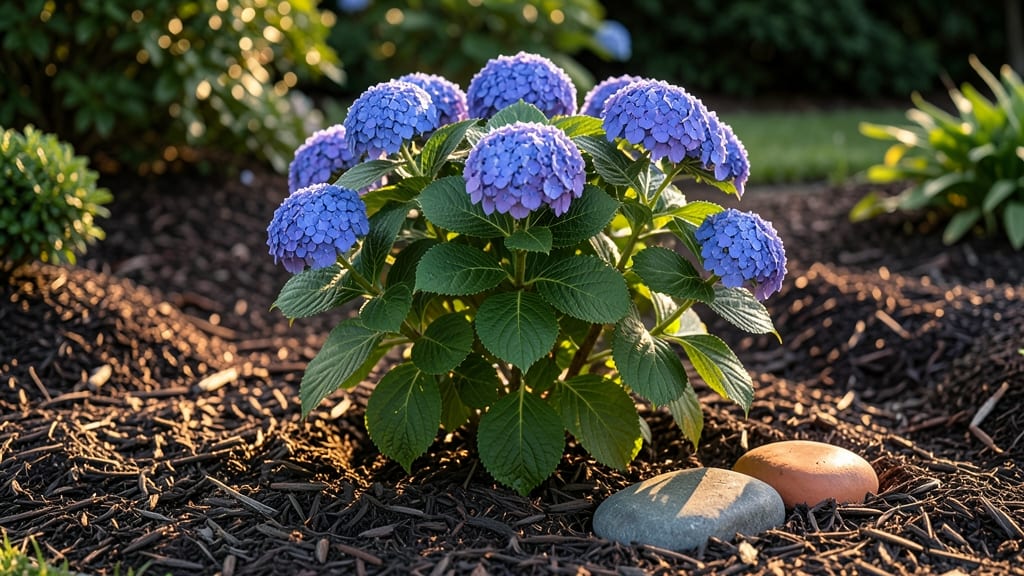
Shade-tolerant bushes transform dark corners into lush, year-round structure with almost no effort. 🌿 I’ve planted these same varieties in my own yard’s shady spots for five years—they thrive where sun-loving plants would struggle, offering texture, color, and seasonal interest without demanding constant attention.
The secret lies in matching plants to your shade level: full shade (less than 3 hours of direct sun) favors ferns, hellebores, and Japanese maples, while partial shade (3–6 hours of sun) suits hydrangeas, azaleas, and pieris.
Soil stays moist year-round in these spots, so well-draining, organic-rich soil is key—amend with compost if your native soil is heavy or clay-heavy. By mid-summer, you’ll see glossy foliage, delicate blooms, and even berries on varieties like inkberry holly or winterberry, all while keeping maintenance to a minimum.
Prune only to shape, and you’ll enjoy four seasons of interest with plants that outperform high-maintenance sun-lovers in shady conditions. Works for foundation plantings, woodland gardens, or even tight urban spaces. Let’s pick the perfect mix for your shade level.
📚 In This Guide
- What you need
- Instructions
- Tips and common mistakes
- Wrapping up and next steps
What you need
- ● Shade-tolerant bushes: 3–5 plants (e.g., Hydrangea macrophylla, Pieris japonica, or Heuchera—check local nurseries for hardiness zones).
- ● High-quality potting soil: 2–3 bags (look for well-draining, organic-rich mixes).
- ● Organic mulch: 1–2 bags (e.g., shredded bark or pine needles to retain moisture).
- ● Slow-release fertilizer: 1–2 pellets or granules (10-10-10 NPK ratio works great).
- ● Watering can or hose: With a gentle spray nozzle for delicate roots.
- ● Garden gloves: 1 pair (to protect hands from thorns or rough bark).
- ● Trowel or small shovel: For digging holes (6" wider and deeper than the root ball).
- ● Pruning shears: Sharp, sterilized (for shaping or cleanup).
- ○ Measuring tape: Optional but helpful for spacing (aim for 3–5 feet apart for mature size).
- ○ Sun/shade map: Optional (use a free app like Gardenate to plot light conditions).
Step-by-Step guide to designing a low-maintenance shade garden
Here's how to create a lush, four-season foundation using shade-tolerant shrubs that thrive with minimal intervention.
🌱 Step 1: Select the Right Shrubs for Your Climate Zone
Choose four shrubs that match your hardiness zone and light conditions. I recommend starting with hydrangeas (for summer blooms), boxwoods (for year-round structure), inkberry holly (for glossy foliage), and dwarf fothergilla (for spring fragrance). Each offers distinct textures and seasonal interest without demanding full sun.
Verify your zone by checking the USDA Plant Hardiness Zone Map—most shade-tolerant shrubs thrive in zones 5-9. For example, hydrangeas prefer zones 6-9, while boxwoods handle zones 4-9. This ensures your selections will establish roots and flourish long-term.
🌿 Step 2: Prepare the Planting Site for Optimal Drainage
Test your soil's drainage by digging a hole and filling it with water. If it drains within 1-2 hours, your soil is suitable. If not, amend the area with 2-3 inches of compost mixed into the top 6 inches of soil. Shade-tolerant shrubs hate soggy roots, so improving drainage prevents root rot.
Dig planting holes twice as wide as the root ball but only as deep as the container. Loosen the roots gently if they're circling the pot—this encourages outward growth. Place each shrub so the top of the root ball sits 1 inch below soil level to prevent crown rot.
☀️ Step 3: Plant and Stake for Stability
Backfill the hole with native soil mixed with 10% compost to enrich it without overwhelming the roots. Water deeply to settle the soil and remove air pockets. I use a 1-gallon watering can per plant to ensure thorough hydration without disturbing the roots.
Stake only if needed—young shrubs with narrow canopies (like dwarf fothergilla) benefit from a single 3-foot bamboo stake tied loosely with soft fabric. Avoid tight ties that can girdle the stem as the plant grows. Mulch with 2-3 inches of shredded bark around the base, keeping it 6 inches away from the stem.
💧 Step 4: Water and Monitor for the First Season
Water newly planted shrubs twice weekly for the first month, then taper to once weekly once established. Check soil moisture by sticking your finger 2 inches deep—if it feels dry, water deeply. Overwatering is the biggest mistake; shade-loving shrubs prefer consistent moisture, not soggy conditions.
Fertilize lightly in early spring with a balanced 10-10-10 formula applied at half strength. Avoid high-nitrogen fertilizers, which encourage leafy growth at the expense of blooms. Watch for yellowing leaves—this often signals overwatering or poor drainage, not nutrient deficiency.
✂️ Step 5: Prune for Shape and Health Annually
Prune hydrangeas and fothergilla immediately after flowering to shape them and encourage next year's blooms. Use clean, sharp pruners to cut back 1/3 of the oldest stems to the ground. For boxwoods and inkberry holly, prune lightly in late winter to maintain their natural form.
Remove any dead, diseased, or crossing branches year-round. Thin out crowded stems to improve airflow and reduce pest risks. I prune on a dry, overcast day to minimize stress on the plants. Avoid heavy pruning in late summer or fall—it stimulates tender new growth that won't harden off before winter.
Tips & tricks for perfect shade-tolerant bushes
Creating a thriving shade garden doesn't have to be complicated—these insights will help you avoid common pitfalls and maximize your shrubs' potential.
Climate Zone Precision: Double-check your specific hardiness zone using the USDA map, especially for hydrangeas and boxwoods. Microclimates matter—your yard might be one zone warmer or cooler than the surrounding area. For example, if you're on the edge of zone 6, opt for boxwoods (zone 4-9) over hydrangeas (zone 6-9) for better reliability. I've seen hydrangeas struggle in zone 6's cooler microclimates when planted too late in the season.
Drainage Test Technique: When testing soil drainage in Step 2, use a clean, empty plastic bottle instead of digging a hole. Fill it with water, cover the top, and mark the water level. After 1-2 hours, if the water level hasn't dropped significantly, you'll need to amend your soil. This method gives you precise, repeatable results without disturbing your planting area more than necessary.
Root Ball Positioning: The 1-inch below soil level placement in Step 2 is critical—it prevents crown rot by ensuring the root flare (where roots meet stem) stays above ground. If your container-grown shrubs have tightly circling roots, gently tease them apart with your fingers before planting. I've found that even a small root circle can restrict growth for years if left unaddressed.
Watering Consistency: For the twice-weekly watering in Step 4, use a rain gauge or tuna can to measure exactly 1 inch of water per session. Shade gardens often get less rainfall, so consistent moisture is key. I've noticed that boxwoods wilt more visibly than other shrubs when thirsty—use them as your moisture indicator plant.
Pro Tips for Shade Tolerant Bushes
- Creating a thriving shade garden doesn't have to be complicated—these insights will help you avoid common pitfalls and maximize your shrubs' potential.
- Climate Zone Precision: Double-check your specific hardiness zone using the USDA map, especially for hydrangeas and boxwoods.
- Drainage Test Technique: When testing soil drainage in Step 2, use a clean, empty plastic bottle instead of digging a hole.
Frequently asked questions
Got questions about shade-tolerant bushes?
You’re not alone! Here are answers to the most common queries to help you pick, plant, and maintain these low-maintenance greenery stars.
What are the best shade-tolerant bushes for small yards?
For tight spaces, opt for compact varieties like Dwarf Fothergilla (3–4 ft tall), Japanese Holly (3–5 ft), or Boxwood (1–4 ft). These thrive in shade while keeping your landscape tidy and structured.
How long does it take for shade-tolerant bushes to establish?
Most shade-tolerant bushes take 1–2 years to fully establish, though some like Pieris or Inkberry Holly show decent growth in the first year. Patience pays off—consistent moisture in the first year speeds up root development!
Can I plant shade-tolerant bushes in full shade year-round?
While many tolerate shade, avoid planting in deep shade (less than 2 hours of sunlight) during winter. Some, like Azaleas, need bright light in winter for blooming. Test your spot with a light meter or observe how nearby plants grow.
Why aren’t my shade-tolerant bushes growing? Troubleshooting tips.
Yellow leaves?
Overwatering or poor drainage—amend soil with compost and ensure pots/drainage layers have holes.
Leggy or sparse growth?
They’re stretching for light! Prune to encourage bushier habits or relocate to a slightly sunnier spot.
No flowers?
Some need partial sun (4–6 hours) to bloom. Check your bush’s specific light needs!
Are there shade-tolerant bushes that also provide privacy?
Try Emerald Green Arborvitae (dense evergreen), Leyland Cypress (fast-growing), or Camellia (evergreen + winter blooms). Plant in staggered rows for a lush, year-round screen.
Wrapping up and next steps
Shade-tolerant bushes are your low-maintenance superstars for adding year-round structure and beauty to shady spots! 🌿 Whether you’re a busy gardener or just love effortless greenery, these plants thrive where others struggle—proving that great design doesn’t need full sun.
With the right choices, you’ll enjoy lush foliage, privacy, and seasonal interest with minimal fuss.
Ready to transform your shady corners? Start by sketching your space (height, spread, and sunlight patches) and pick 1–2 bushes from our top picks. Then, grab your gloves and get planting—your future shade oasis awaits! 🌱