
Companion Plants
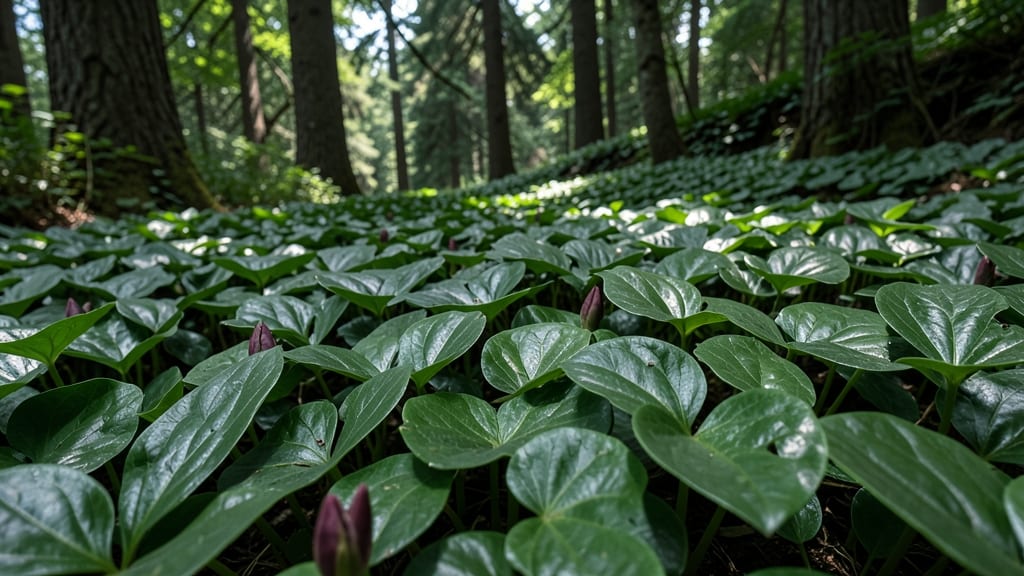
Struggling to find plants that thrive under mature trees without stealing nutrients? These ten shade-loving understory plants create beautiful, low-maintenance ecosystems while protecting tree roots from competition.
Hostas for Textured Ground Cover
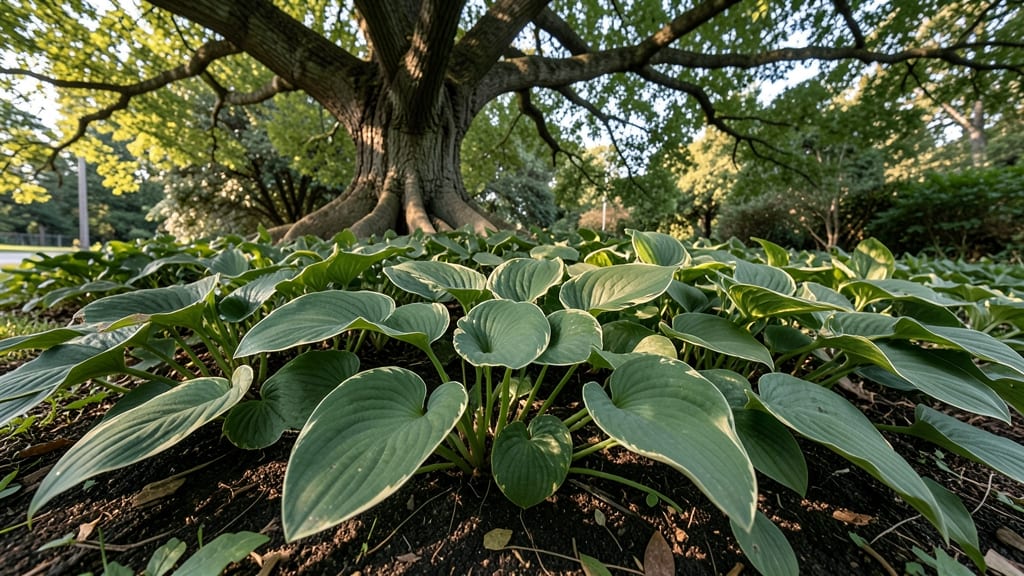
Tired of bare soil under your trees? Hostas are the unsung heroes of shaded gardens, offering lush foliage that spreads naturally to crowd out weeds while keeping tree roots happy. Their shallow root systems make them perfect companions for mature trees, as they won’t compete for nutrients or space.
With over 2,500 varieties, you can choose from blue-green, golden, or variegated leaves to create visual interest year-round. Plant them in well-draining soil with partial to full shade, and watch them multiply effortlessly—just divide clumps every 3-4 years to keep them vigorous. Their dense growth also helps retain soil moisture, reducing watering needs.
Best for beginners and low-maintenance gardeners, hostas transform shady spots into textured, weed-free gardens with minimal effort. 🌿
Ferns for Natural Forest Vibe
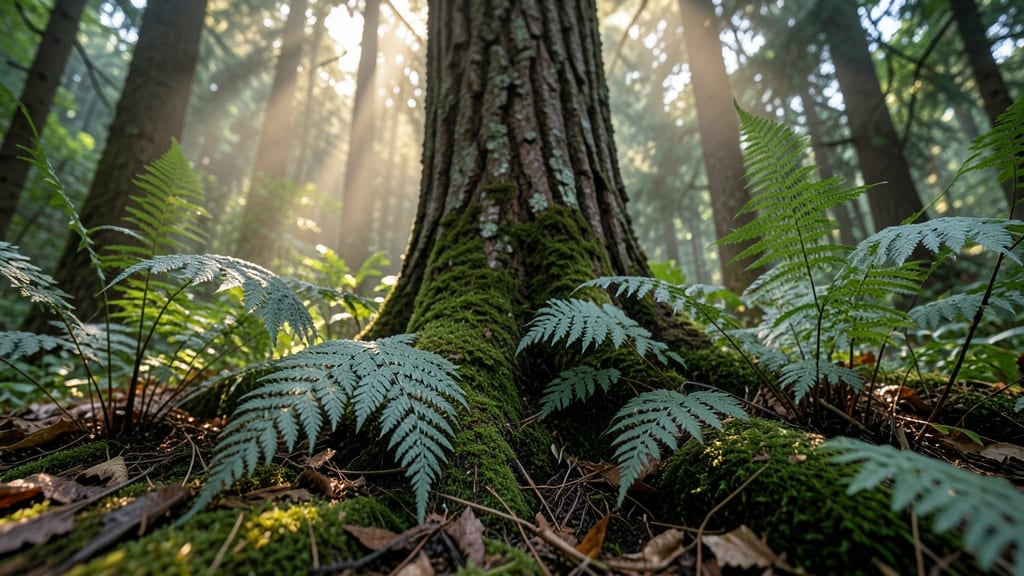
Turn your shady tree base into a thriving woodland oasis with ferns—nature’s built-in understory decorators. These moisture-loving plants thrive where sunlight barely reaches, creating lush textures that mimic the forest floor without competing with tree roots for nutrients.
Ferns like maidenhair or autumn fern prefer consistent moisture and high humidity, making them ideal for areas under drip irrigation or near rain gutters. Plant them in well-draining soil mixed with compost to encourage healthy growth, and group them with other shade-lovers like hostas for a layered effect. Their delicate fronds add movement to still spaces, perfect for urban gardens or woodland-inspired beds.
Best for gardeners who love low-maintenance plants that deliver instant forest charm—no pruning or fuss required. Just water occasionally and watch them flourish. 🌿
Hellebores for Winter Blooms
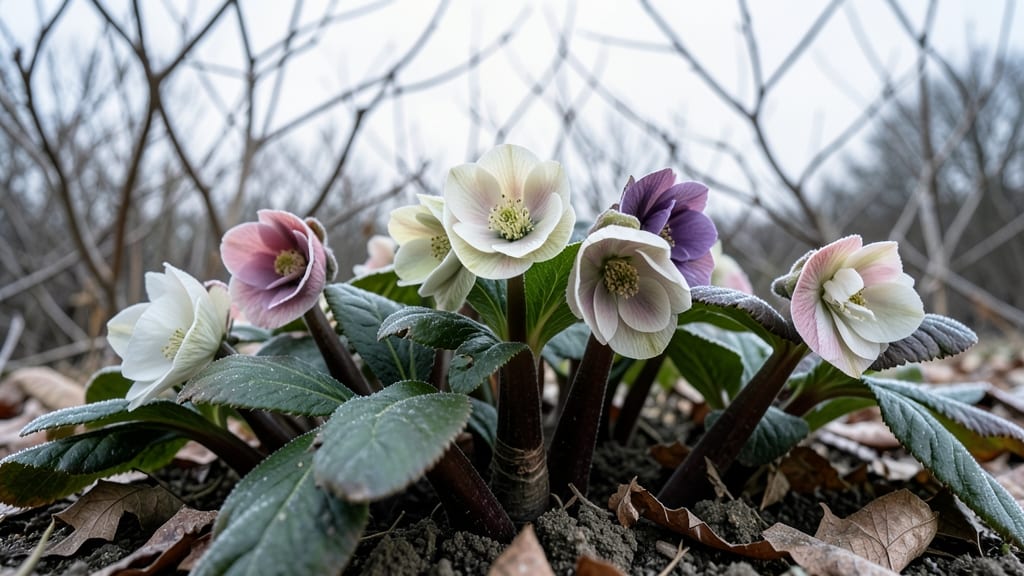
When your garden looks like a winter wasteland and most plants have given up, helleborus (commonly called hellebores) step in to steal the show. These cold-hardy perennials bloom from late winter through early spring, offering delicate flowers in shades of white, pink, purple, or green when little else is growing.
Thriving in deep shade where hostas and ferns might struggle, hellebores tolerate dry conditions once established and even handle light frost on their flowers. Their evergreen foliage provides year-round interest, and they spread slowly to form tidy clumps. For best results, plant in well-draining soil with a 2-3 inch layer of mulch to protect roots during winter.
Perfect for gardeners who want low-maintenance color in early spring or those with shady, tree-dominated spaces, hellebores bring life to otherwise dormant gardens. 🌱
Astilbes for Feathered Elegance
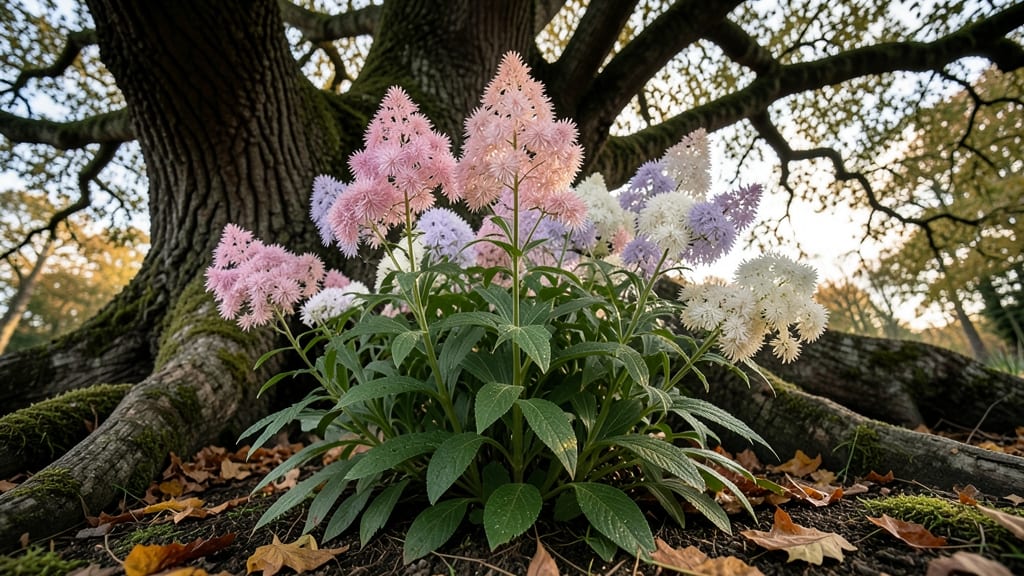
Want to add drama to your shady garden without the fuss? Astilbes bring feathery plumes of color to under-tree spaces where other plants struggle. Their airy, cloud-like blooms rise above the ground, creating vertical interest that fills empty gaps under large trees while staying out of root competition.
These drought-tolerant perennials thrive in partial to full shade and prefer moist, well-draining soil—ideal for areas with morning sun or filtered light. Choose from shades like pink, white, or lavender for seasonal blooms from early to mid-summer. Deadhead spent flowers to encourage more blooms, and mulch around plants to retain moisture and suppress weeds.
Perfect for gardeners who want easy-care height and color in shady spots, astilbes pair beautifully with hostas or ferns for layered understory planting. Their delicate plumes also attract butterflies, adding extra life to your shaded garden. ✨
Sweet Woodruff for Fragrant Ground Cover
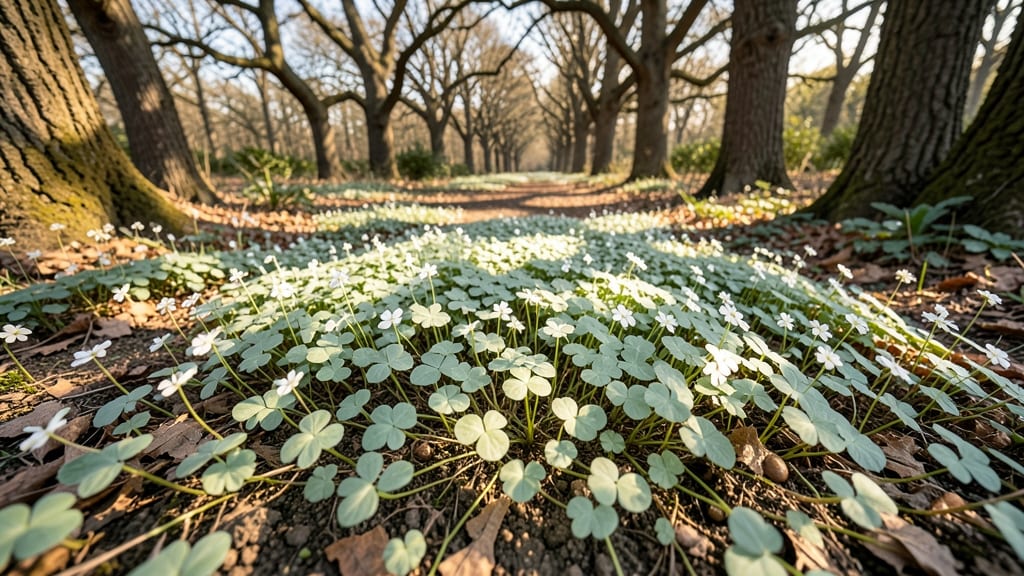
Want to turn your dry, shady oak grove into a fragrant garden retreat? Sweet woodruff is the secret weapon for adding a sweet vanilla-like scent to your understory while suppressing weeds naturally. This delicate ground cover thrives where other plants struggle, making it perfect for the challenging conditions beneath mature trees.
With its low-growing habit (reaching just 6-12 inches tall), sweet woodruff spreads gently through runners to form a lush carpet that blocks weeds while requiring minimal care. The plant thrives in dry shade and even tolerates clay soil, making it ideal for areas where water drains poorly. Its charming white flowers in late spring add a touch of elegance, though the real magic happens when you brush against the leaves—releasing that signature sweet scent.
Perfect for cottage gardeners, pollinator enthusiasts, and anyone with shady, weed-prone areas under oak trees, sweet woodruff transforms neglected spaces into fragrant, low-maintenance beauty. 🌿
Lungwort for Medicinal Beauty
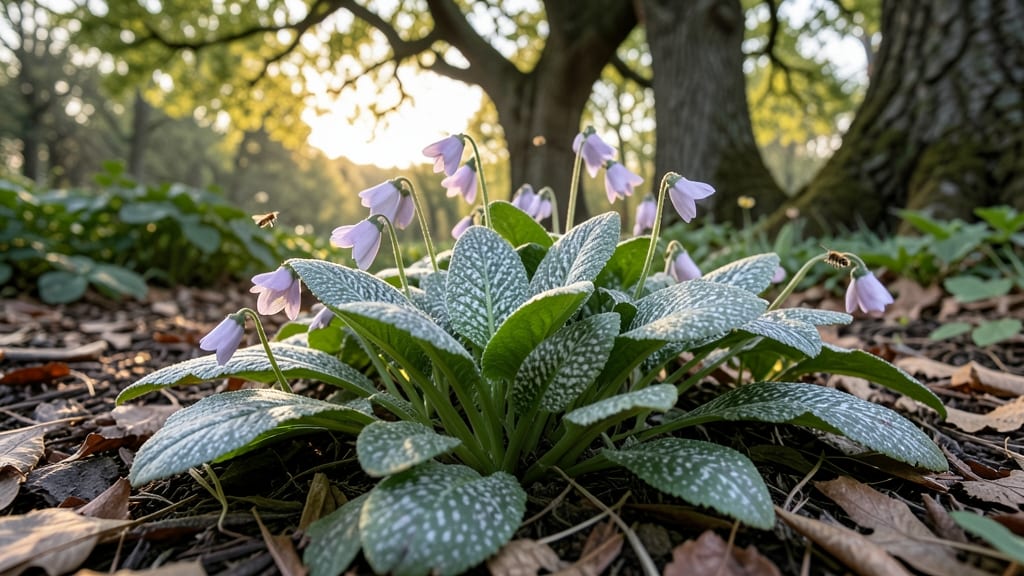
Looking for a plant that does double duty—beautifying your shade garden while supporting pollinators and even offering historical medicinal benefits? Lungwort (Pulmonaria) is your answer, with its striking silver-spotted foliage that transforms into deep green as seasons change, paired with delicate purple-blue flowers that emerge in early spring.
This hardy perennial thrives in moist, shaded conditions where many plants fail, making it ideal for understory planting near trees. Its unique foliage attracts bees and butterflies, while its historical uses—from treating respiratory ailments to soothing skin irritations—add a layer of intrigue. Plant lungwort in well-draining, humus-rich soil with partial to full shade, and watch it spread gently to create a lush, textured carpet that stays vibrant year-round.
Perfect for gardeners who love multi-functional plants with both aesthetic and ecological value, lungwort is especially rewarding for those with woodland-style gardens or damp, shady spots that need a resilient, eye-catching addition. 🌿
Japanese Painted Ferns
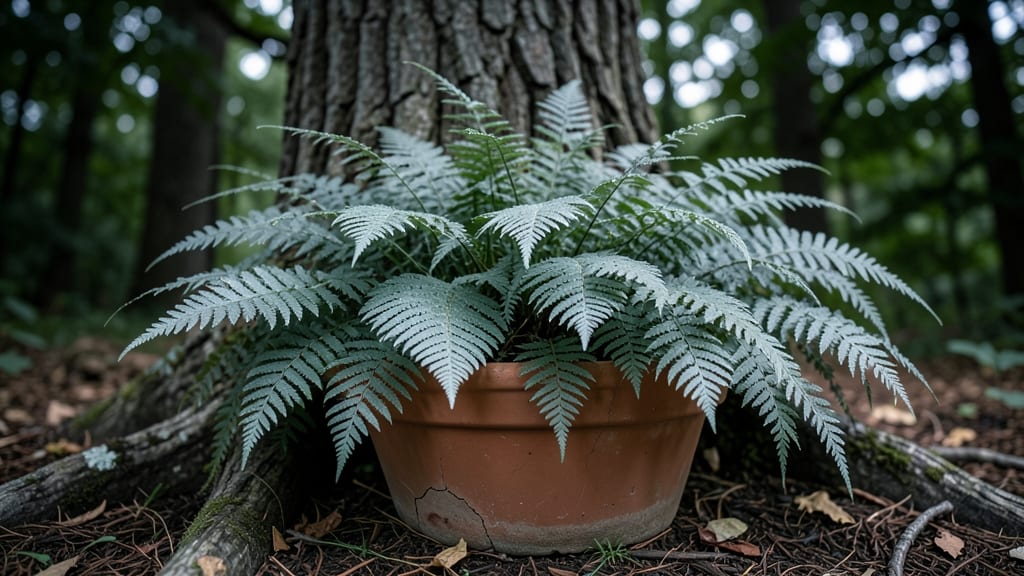
Looking for a bold statement plant that thrives in shade without competing with tree roots? Japanese painted ferns deliver dramatic silver-and-green foliage that instantly brightens dark corners—perfect for containers tucked near tree bases where space is limited.
These clump-forming perennials prefer partial to full shade and tolerate dry soil once established, making them ideal for urban gardens or areas with minimal root competition. Their striking fronds (up to 2 feet tall) add texture and movement, while their shallow roots won’t disturb mature trees. For best results, plant in well-draining soil with a 2-inch layer of mulch to retain moisture and suppress weeds.
Urban gardeners and small-space enthusiasts will love how these ferns bring visual contrast to shaded areas without the spread of ground covers. Their compact size also makes them perfect for container gardening near tree trunks. 💚
Solomon's Seal for Arching Grace
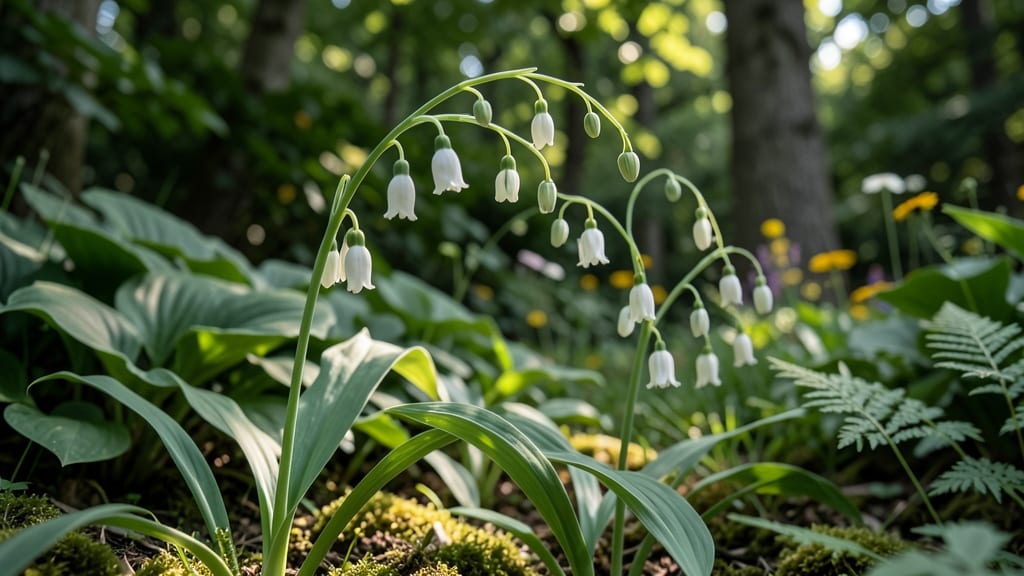
Looking for a plant that adds arching elegance to your shaded garden while feeding birds and thriving under trees? Solomon's Seal delivers all three with its graceful, cascading stems and adaptable nature. This perennial creates natural vertical lines that draw the eye upward, perfect for softening the base of trees or framing pathways in dappled shade.
The plant produces clusters of bell-shaped white flowers in spring, followed by clusters of edible blue-black berries that birds adore—a double benefit for wildlife lovers. Unlike fussy shade plants, Solomon's Seal handles both dry and moist conditions, making it ideal for areas where other plants might struggle. Simply plant in well-draining soil with partial to full shade, and watch its arching stems create movement and texture without competing with tree roots.
Best for gardeners who want low-maintenance structure and wildlife appeal, this plant thrives in containers or garden beds, adding year-round interest with its glossy, upright foliage. 🌱
Coral Bells for Colorful Foliage
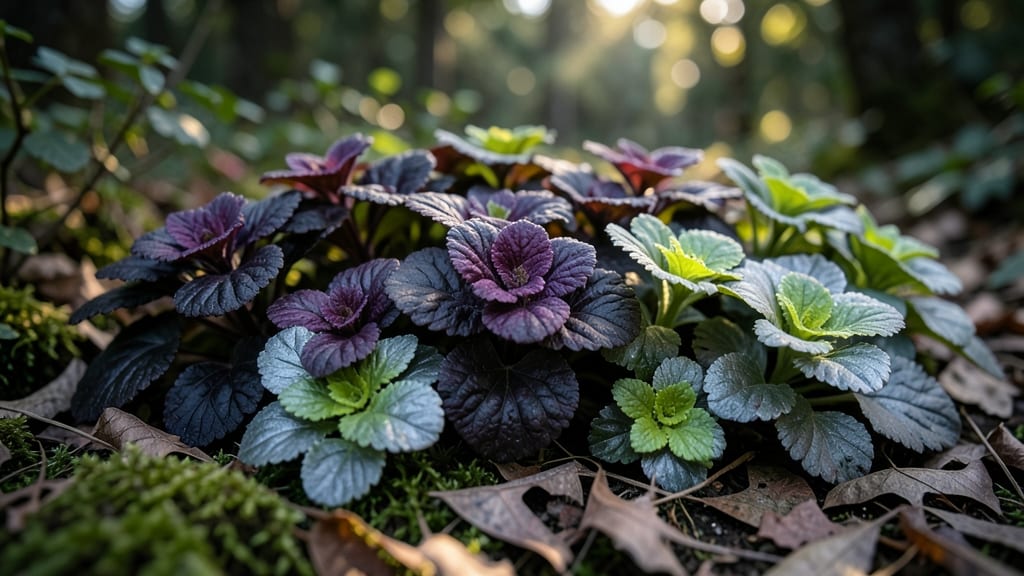
Want to add bold color to your darkest garden corners without the watering hassle? Coral bells (Heuchera) deliver vibrant foliage in shades of purple, silver, lime green, and even black—all while thriving in deep shade where most plants give up. Their compact growth habit (12-18 inches tall) makes them perfect for tucking under trees without disturbing root systems.
These drought-tolerant perennials prefer well-draining soil and only need watering when the top inch feels dry—ideal for busy gardeners or areas with poor irrigation access. Their leaves change color with the seasons, offering year-round interest, and they spread slowly to form tidy clumps. For extra drama, pair them with hostas or ferns for a layered understory effect that pops in any light condition.
Best for urban gardeners, small-space plantings, or anyone tired of boring green—coral bells turn shady spots into living art with minimal effort. 🌟
Wild Ginger for Evergreen Spread

Tired of patchy, weed-filled spaces under your trees that refuse to stay green? Wild ginger (Asarum canadense) is the ultimate evergreen ground cover that thrives year-round, even in deep shade where other plants struggle. Unlike seasonal options, its glossy, heart-shaped leaves create a lush carpet that spreads slowly but effectively to crowd out weeds while staying out of competition with tree roots.
This hardy perennial thrives in partial to full shade and handles both moist and dry conditions, making it ideal for understory planting. In late spring, it produces delicate, heart-shaped purple or brown flowers that hover just above the foliage, attracting beneficial insects like bees and butterflies. To encourage spread, simply divide clumps every few years or let it naturalize—just avoid overwatering, as it prefers well-draining soil.
Perfect for gardeners who want low-maintenance, year-round greenery without the fuss of mowing or mulching, wild ginger is especially rewarding for those with woodland-style gardens or shady areas that need a resilient, evergreen solution. 🌿