
Planting
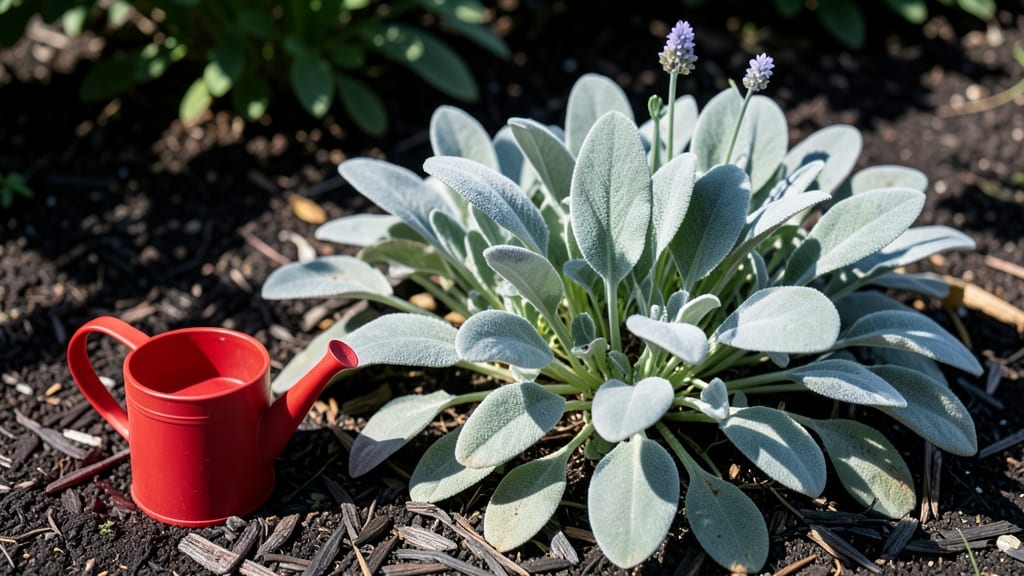
The lambs ear plant thrives in sun or shade, making it a versatile choice for almost any garden spot 🌿 — but getting its velvety texture just right depends on where you place it.
If you’ve ever watched those fuzzy leaves turn crispy under harsh afternoon rays or stretch leggy in deep shade, you know the struggle is real. The good news? This plant is far more adaptable than most gardeners realize.
Whether you’re working with a sunny border or a shady corner, the key lies in understanding how much light your Lamb's Ear actually needs — and how to tweak care to keep those leaves looking like a cloud.
Below, I’ll break down the perfect light balance, soil tricks for both sun and shade, and how to transition plants without burning them. Ready to grow lush, fuzzy foliage year-round?
 Best Window Placement
Lambs ear plant sun requirements: how much light does it need?
The lambs ear plant (Stachys byzantina) thrives in a surprising range of light conditions, making it a versatile choice for gardeners. While it can handle full sun, it also performs beautifully in partial shade.
Understanding its sunlight needs is key to maintaining those signature velvety leaves and preventing common issues like leaf burn or legginess. Let’s break down exactly how much light this plant craves and how to spot when it’s getting too much—or too little.
In my experience, lambs ear plants prefer 4 to 6 hours of direct sunlight daily, but they can tolerate up to 8 hours in cooler climates. The key is balancing sunlight with adequate moisture, especially in hotter regions where intense afternoon sun can scorch delicate foliage.
If you’re growing lambs ear in a container, it may need slightly more frequent monitoring for light exposure, as pots can overheat faster than in-ground plantings.
| Light Condition | Sunlight Hours | Best For | Signs of Stress |
|---|---|---|---|
| Full Sun | 6-8 hours | Cooler climates, containers | Brown leaf tips, crispy edges |
| Partial Shade | 3-4 hours | Hotter regions, under trees | Pale leaves, leggy growth |
| Deep Shade | <2 hours | North-facing gardens | Stunted growth, weak stems |
One of the first signs your lambs ear plant is getting too much sun is when the edges of its leaves start to turn brown or crispy.
This is a classic indication of leaf burn, which happens when intense sunlight dries out the delicate foliage faster than the plant can absorb moisture. To fix this, I recommend moving your plant to a spot with afternoon shade or providing a light mulch layer to retain soil moisture.
On the flip side, if your lambs ear is growing leggy with sparse, pale leaves, it’s likely not getting enough light. In these cases, I’ve found that gradually increasing sunlight exposure—over a period of 1 to 2 weeks—helps the plant adjust without shocking its system.
You can also supplement natural light with a grow light for 4-6 hours daily if your garden lacks sufficient sunlight.
Heat tolerance plays a big role in how much sun your lambs ear can handle. In USDA Zones 5-8, where summers can be scorching, I’ve had the best luck placing lambs ear in morning sun with afternoon shade.
This setup prevents the plant from overheating while still giving it enough light to maintain its signature fuzzy texture. If you’re in a hotter climate, consider using a light-colored container to reflect excess heat away from the roots.
For those growing lambs ear in containers, sunlight needs can shift depending on your location. In urban settings with limited space, a south-facing balcony might provide enough light, but you’ll need to rotate the pot every few days to ensure even growth.
If you notice the leaves leaning toward the light, it’s a clear sign your plant needs to be repositioned for more balanced exposure.
Another pro tip: Prune leggy stems in early spring to encourage bushier growth, especially if your plant has been struggling with insufficient light. This not only improves its appearance but also helps the plant redirect energy toward producing more of those soft, velvety leaves you love.
Just be sure to use clean, sharp shears to avoid damaging the stems.
In summary, lambs ear plants are flexible but not indifferent to their light conditions. With the right balance of sun and shade, along with attentive care, you can keep your plant thriving year after year.
Whether you’re a seasoned gardener or just starting out, experimenting with light exposure will help you find the perfect spot for your lambs ear’s velvety beauty to shine.
🌿
Shade-grown lambs ear plants: can they survive low-light gardens?
The lambs ear plant (Stachys byzantina) is often celebrated for its velvety silver foliage, but many gardeners wonder if it can thrive in shady spots.
The good news is that lambs ear is highly adaptable to shade, making it a perfect choice for low-light gardens or woodland areas. Unlike sun-loving plants, lambs ear won’t wilt in partial shade—it simply thrives with less intensity, though its leaf texture may soften slightly.
For optimal results in shade, focus on dappled sunlight (filtering light through trees) rather than deep, dense shade. This mimics the plant’s natural habitat in rocky, Mediterranean slopes, where it receives intermittent light.
Even in deep shade gardens, lambs ear can survive, but expect slower growth and less vibrant foliage. The key is balancing shade with proper soil drainage and occasional morning sun to prevent legginess.
⚠️ callout warning
While lambs ear tolerates shade, deep, dense shade (like under thick evergreens) can lead to weak stems and pale leaves. Avoid planting in areas with less than 3 hours of indirect light daily. If your garden is shady, supplement with grow lights or relocate to a sunnier border during spring for better foliage quality.
To maximize growth in shade, prioritize well-draining soil mixed with organic compost. Lambs ear dislikes soggy roots, so amend heavy clay with perlite or sand to improve aeration. In partial shade, mulch with pine needles or straw to retain moisture and regulate soil temperature.
This mimics its native dry, rocky conditions and prevents root rot in cooler climates.
For velvety foliage maintenance, trim leggy stems in early spring to encourage bushier growth. In shade, lambs ear may produce fewer flowers, but its silver-gray leaves remain the star. Deadhead spent blooms to redirect energy into foliage rather than seed production.
If leaves lose their fuzzy texture, it’s a sign of low humidity—mist occasionally or place a tray of water nearby to restore that signature softness.
Seasonal adjustments matter too. In spring and fall, lambs ear benefits from morning sun exposure (2–3 hours) to boost vigor before temperatures rise. During summer heatwaves, move potted lambs ear to a shadier spot to prevent leaf scorch.
Container-grown plants are easier to relocate than in-ground varieties, giving you flexibility to adapt to changing light conditions throughout the year.
If your garden is deep shade**, consider pairing lambs ear with other shade-tolerant perennials like heuchera or hostas for a layered, textured bed. These companions thrive in similar conditions while adding color and structure.
With the right care, your shade-grown lambs ear will reward you with lush, fuzzy foliage year after year—proving it’s a versatile star in any light setting.