
Tools
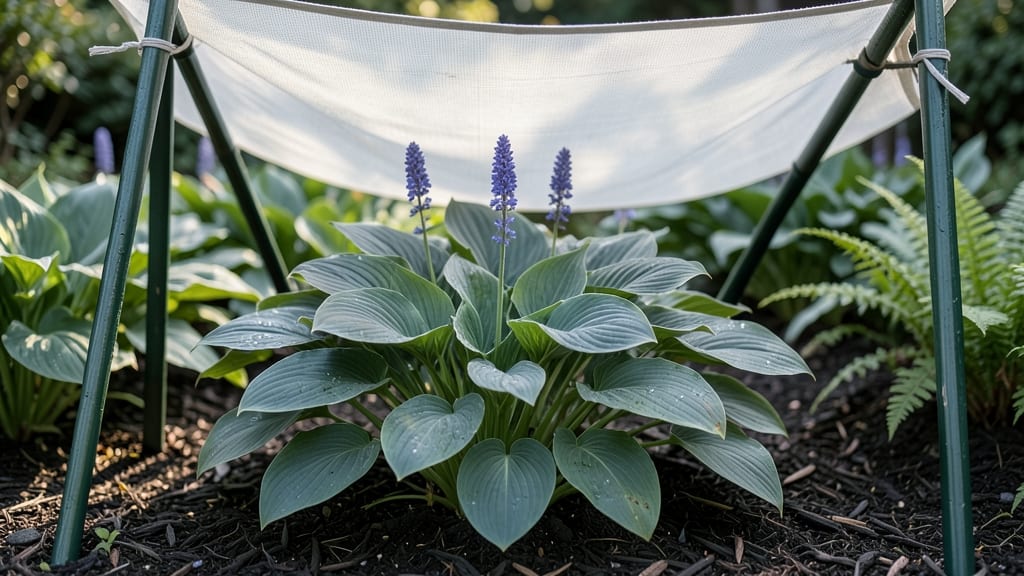
Shade fabric for plants saved my heat-sensitive tomatoes last summer when temperatures hit 98°F. 🌿 The lightweight barrier blocked just enough sun to keep leaves from scorching while still letting enough light through for growth—something I couldn’t achieve with pruning alone.
It’s the secret weapon for gardeners in hot climates or anyone growing delicate plants like lettuce, basil, or young seedlings.
You’ll need to choose between 30% to 90% shade cloth, depending on your plants’ needs. A 50% fabric works for most vegetables, while 30% is ideal for seedlings or shade-loving plants like ferns.
Installation is simple: drape it over hoops, trellises, or directly over plants, securing with clips or stakes. The key is keeping it 2–4 inches above the plants to allow airflow and prevent mold.
With shade fabric, you’ll see healthier foliage, fewer sunburnt leaves, and stronger stems—even in peak summer heat. It also extends growing seasons by protecting early spring or late fall crops from harsh sunlight. Plus, it deters pests like aphids and spider mites that thrive in intense sun.
For beginners, start with a small section to test the right percentage and adjust as needed. Advanced gardeners can get creative: use it to create microclimates for different plants or even build a DIY greenhouse frame.
The best part? It’s reusable for years with proper care—just wash it occasionally and store it when not in use.
📚 In This Guide
- What you need
- Instructions
- Tips and common mistakes
- Wrapping up and next steps
What you need
- ● Shade fabric: Choose a UV-stabilized, breathable fabric with a 30-50% shade rating (for delicate plants) or 50-70% (for heat-sensitive varieties). Measure your space and buy 10-20% extra for overlaps and adjustments. Pro tip: Polypropylene or polyester blends are ideal! 🌡️
- ● Measuring tape: A 25-foot retractable tape for precise sizing.
- ● Scissors or utility knife: Heavy-duty 12-inch fabric scissors or a rotary cutter for clean cuts.
- ● Staple gun + staples: A heavy-duty stapler (1/4" crown staples) to secure fabric to frames or supports.
- ● Support structure: PVC pipes (1-inch diameter) or wooden dowels for DIY frames.
- ● Metal hoops or wire mesh (for arched designs).
- ● String or zip ties: 1/4-inch zip ties or twine to attach fabric to existing structures (e.g., trellises, fences).
- ○ Grommet kit (optional but helpful): 1/4-inch grommets + a grommet-making tool if pre-drilled fabric isn’t available.
- ● Seam ripper: For fixing mistakes—trust us, you’ll need it! 😅
- ● Hole punch: For quick drainage or ventilation holes (if not using grommets).
- ● Weighted corners: Sandbags or bricks to anchor fabric in windy areas.
- ● Reflective tape: Aluminum or silver tape to boost light diffusion (great for greenhouses!).
- ● Weatherproof sealant: Clear silicone to seal edges and prevent fraying.
- ● Clear, sunny day for accurate measurements (or a well-lit workspace).
- ● Access to a flat surface (e.g., table, garage floor) for cutting.
- ● Basic sewing or crafting skills (or a friend who’s handy!).
How to install shade fabric for optimal plant protection
Here's the straightforward method I use to shield plants from harsh sun while maintaining airflow and moisture.
☀️ Step 1: Measure and Cut Fabric to Fit Your Space
Measure the area you want to shade, including any support structures like trellises or existing fencing. Shade fabric typically comes in 10-foot widths, so add 12-18 inches to each side for secure attachment. For example, a 6-foot wide garden bed needs 8-foot wide fabric to allow for overlap.
Use sharp fabric scissors to cut the fabric—never regular scissors, as they'll fray the edges. I mark measurements with a fabric marker before cutting to avoid mistakes. If working with multiple panels, leave 6-inch seams for sewing or overlapping connections. Remember, fabric stretches slightly when wet, so cut conservatively.
🪴 Step 2: Install Support Structures for Even Coverage
Use T-posts, stakes, or existing garden frames spaced no more than 6 feet apart for stability. Drive stakes into the ground at a 45-degree angle to create a sloped support that prevents water pooling. For larger areas, add horizontal support wires at 2-foot intervals to prevent sagging under wind or rain.
I always check for level with a carpenter's level before securing anything. Uneven supports create gaps where light sneaks through unevenly. Attach the fabric to the top support first, then pull it taut before securing along the sides. This prevents wrinkles that trap heat and moisture against plant foliage.
✂️ Step 3: Secure Fabric with Clips or Staples
Use plastic fabric clips or staple guns with heavy-duty staples to attach the fabric to your support structure. Start at the top and work downward, pulling the fabric taut as you go. Overlap seams by 4 inches and secure with additional clips to prevent light leakage through gaps.
For temporary setups, I use binder clips on wooden frames—they're easy to adjust and remove. Avoid nails or screws, which can tear the fabric and create holes that let in too much light. Test the tension by gently pulling downward; the fabric should hold its shape without stretching permanently.
💧 Step 4: Monitor and Adjust for Seasonal Changes
Check your shade setup every 2-3 weeks to ensure proper coverage. In summer, you might need to add 10-20% more shade as temperatures rise. I adjust by adding extra layers of fabric or lowering the structure slightly to increase coverage area.
Watch for signs of uneven shading—yellowing leaves on one side while others stay green indicates light is penetrating unevenly. If you notice this, tighten loose fabric or add additional support stakes. Remember, too much shade can be just as harmful as too little, so aim for 30-50% light reduction depending on your plants' needs.
Tips & tricks for perfect plant shade solutions
These practical insights will help you create an effective, long-lasting shade barrier that keeps your plants thriving without compromising airflow or moisture balance.
Precision Measuring: When calculating your fabric dimensions in Step 1, remember that shade fabric typically stretches about 5-10% when wet. For a 6-foot garden bed, cut your 10-foot wide fabric to 8 feet (adding 18 inches total) to account for this expansion. I've learned this the hard way—skipping this adjustment led to gaps that let in too much light after my first rainstorm.
Support Structure Stability: In Step 2, don't overlook the importance of that 45-degree angle when driving stakes. This angle creates a natural water runoff path, preventing pooling that can lead to root rot. For larger setups, use a string line to ensure all stakes are perfectly level before attaching fabric—uneven supports create those frustrating light leaks that defeat the whole purpose.
Seasonal Light Adjustments: The 30-50% light reduction guideline in Step 4 is flexible based on plant types. For heat-sensitive tropical plants, aim for the higher end (40-50%), while shade-loving perennials can handle 30-40%. I adjust by adding removable fabric layers during peak summer months, which is much easier than replacing the entire structure.
Material Selection: While not an ingredient, choosing the right shade fabric makes all the difference. For delicate seedlings, opt for 30-40% shade cloth that allows gentle light filtering. For mature plants needing more protection, 50-70% coverage works best. I always check the fabric's UV rating—higher ratings (like 30+ UPF) provide better long-term protection against sun damage.
Pro Tips for Shade Fabric For Plants
- These practical insights will help you create an effective, long-lasting shade barrier that keeps your plants thriving without compromising airflow or moisture balance.
- Precision Measuring: When calculating your fabric dimensions in Step 1, remember that shade fabric typically stretches about 5-10% when wet.
- Support Structure Stability: In Step 2, don't overlook the importance of that 45-degree angle when driving stakes.
Frequently asked questions
Got questions about shade fabric for plants?
You’re not alone! Here are answers to the most common concerns to help you make the best choice for your garden.
How much shade should I provide with fabric?
Shade fabric comes in different percentages (e.g., 30%, 50%, 70%). 30-50% is ideal for most plants—like tomatoes, peppers, or herbs—to filter harsh sunlight while allowing growth. 70%+ is better for delicate plants (e.g., ferns, succulents) or hot climates to prevent scorching. Always check your plant’s needs!
When is the best time to install shade fabric?
Install fabric before peak summer heat (late spring or early summer) to give plants gradual acclimation. For newly planted seedlings, use it immediately to avoid stress. Remove it in fall if your plants need winter sunlight. Pro tip: Monitor leaf color—yellowing means too much shade!
Is shade fabric reusable, or should I replace it yearly?
High-quality shade fabric lasts 3-5 years if cared for properly (clean with mild soap, avoid sharp tools). Check for UV degradation—if it’s brittle or faded, replace it. Budget tip: Buy extra fabric upfront to save on future costs!
Can I use alternatives like burlap or old sheets?
While burlap or sheets work in a pinch, they lack UV protection and may degrade quickly. Shade fabric is breathable, durable, and blocks harmful rays—critical for long-term plant health. For temporary solutions, lightweight row covers (30-50%) are a better DIY option.
Will shade fabric keep pests away?
Shade fabric doesn’t repel pests like insects or rodents, but it can reduce humidity (which deters some fungi/mold). For pests, pair it with fine mesh netting or organic sprays. Monitor plants regularly—early action prevents bigger problems!
Wrapping up and next steps
Shade fabric for plants is a game-changer for gardeners and plant lovers alike—offering a simple, effective way to shield delicate greens from harsh sunlight while promoting healthier growth. 🌿 Whether you're nurturing seedlings, protecting tender foliage, or extending the life of your favorite plants, the right shade solution makes all the difference. Ready to give your garden the perfect balance of light and care?
Your next step? Pick the right shade fabric for your plants’ needs, measure your space, and start creating that ideal growing environment. Happy gardening! 🌱