
Shrubs
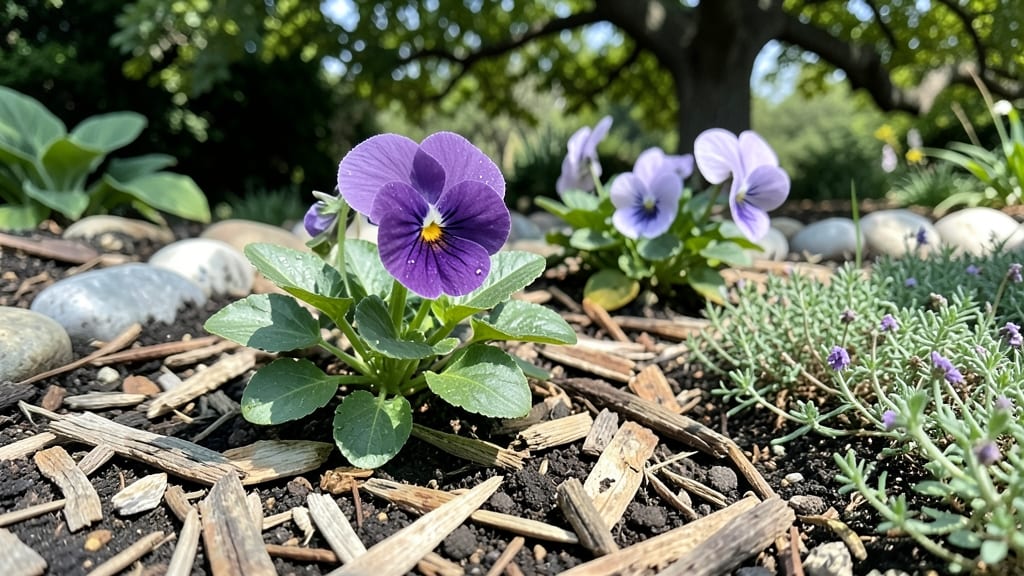
Violas grow best in partial shade to full sun, with morning sun and afternoon shade producing the most vibrant blooms. Too much direct sun can cause leaf scorching, while deep shade often reduces flower production. Aim for six hours of filtered light daily for optimal results.
Violas are surprisingly adaptable to different light conditions, making them a favorite for gardeners with varied spaces. 🌿 The key is balancing light exposure to protect delicate foliage while encouraging abundant blooms.
Morning sun provides the gentle warmth needed for photosynthesis without the harsh afternoon rays that can stress the plants. In hotter climates, even partial shade during peak sun hours can prevent leaf burn and extend the flowering season.
Different viola varieties have unique preferences—some, like Viola cornuta, tolerate more sun, while others, such as Viola tricolor, thrive in dappled shade. Testing your local microclimate by observing how your plants respond to their current light conditions can help fine-tune their placement for year-round color.
💡 In This Article
- How Light Intensity Affects Viola Growth and Flowering
- Best Light Conditions for Different Viola Varieties
How light intensity affects Viola growth and flowering
Violas rely on photosynthesis to convert light into energy, but their delicate leaves contain less chlorophyll than sun-loving plants, making them sensitive to intense UV exposure. Morning sunlight provides the ideal balance—delivering gentle warmth and sufficient light for photosynthesis without the high temperatures of afternoon sun.
This is why you'll often see violas with richer pigmentation when grown in morning light, as the UV exposure triggers higher anthocyanin production in their petals, deepening their colors.
The science behind leaf scorching involves cellular damage from excess light and heat. Direct midday sun can cause chlorophyll to break down, leading to brown, crispy patches on viola leaves. This occurs because the plant's stomata (pores) close under stress, preventing water loss but trapping heat inside leaf tissues.
For optimal growth, violas need light that's bright but diffuse—think of the dappled shade under a tree canopy, where light intensity is reduced by 30-50% compared to full sun conditions.
Bloom duration is directly tied to light exposure. Violas exposed to 6 hours of filtered light daily will produce flowers that last 2-3 weeks longer than those in deep shade. The reason? Consistent light triggers steady energy production, allowing the plant to allocate resources to both foliage and flowers.
In contrast, deep shade causes violas to stretch toward any available light (etiolation), resulting in leggy growth and fewer blooms. This is why gardeners often see violas in containers near windowsills or under deciduous trees that provide seasonal shade.
Seasonal light changes also impact violas. During summer's long days, violas may need afternoon shade to prevent stress, while winter's shorter daylight hours mean they can tolerate more direct light.
The key is observing your plants—if leaves turn pale or yellow, they're likely getting too much sun; if growth slows and flowers fade quickly, they need more light. This adaptive flexibility is why violas thrive in USDA zones 3-9, from cold mountain gardens to warm coastal areas.
Consider this comparison: A viola in full sun with no afternoon protection will show signs of stress within 2-3 weeks, while one in morning sun with afternoon shade will maintain vibrant blooms for 6-8 weeks.
The difference isn't just about light quantity but quality—violas prefer light that's bright but not harsh, similar to how humans prefer natural daylight over fluorescent lighting for comfort.
For gardeners in hot climates, creating artificial shade using 50% shade cloth can mimic ideal conditions. This fabric filters out 50% of UV rays while allowing enough light for photosynthesis. The result? Healthier foliage and more abundant blooms throughout the growing season. 🌿