
Companion Plants
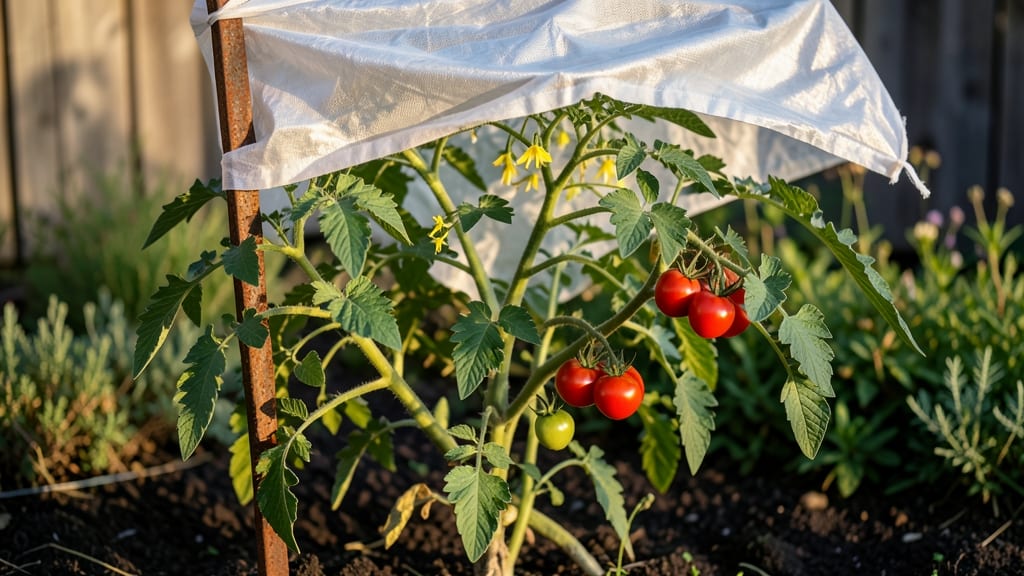
My tomato plants nearly gave up every July until I draped shade cloth over them—suddenly, blossom drop vanished and fruit set exploded. 🌱 The right shade percentage keeps tomatoes productive in scorching heat while preventing sunburn and stress that waste your hard work.
Start with 30% shade cloth for hot climates or 20% for milder zones, adjusting as plants grow. Install it 2-3 feet above the canopy using hoops or trellises, leaving space for airflow. The secret is balance—too much shade stunts growth, but without it, your tomatoes turn to leather.
You'll see the difference within days: fewer dropped flowers, firmer fruit, and plants that keep producing through August. Combine it with consistent watering and pruning for maximum results—this combo is how I've doubled my harvest in brutal summers.
Works for both determinate and indeterminate varieties, and you can even remove it during cooler months. Here's how to make it work for your garden!
📚 In This Guide
- What you need
- Instructions
- Tips and common mistakes
- Wrapping up and next steps
What you need
- ● Shade cloth: Choose 30-50% shade cloth (30% for partial sun, 50% for hot climates). Buy enough to cover your plants with 1-2 feet of overhang on all sides. Example: A 10' x 10' garden needs ~12' x 12' cloth.
- ● Support structures: T-posts, stakes, or metal hoops (1 per 4-6 ft of row length).
- ● Garden twine or zip ties (for securing cloth to stakes).
- ● Measuring tape: For precise cloth sizing and spacing.
- ● Scissors or utility knife: To trim cloth to fit your setup.
- ○ Heavy-duty stapler or clothespins: To attach cloth to supports (optional but helpful for quick adjustments).
- ● Adjustable shade cloth: UV-stabilized or retractable options for flexibility.
- ● Vents or mesh panels: Improve airflow if using dense cloth.
- ● Ground anchors or weights: Prevent wind from lifting the cloth.
- ● Thermometer: Monitor plant temperature under shade.
Step-by-Step guide to using shade cloth for tomato plants
Here's how to protect your tomatoes without sacrificing growth or flavor.
🪴 Step 1: Choose the Right Shade Cloth Rating and Size
Select 30-50% shade cloth for tomatoes—this blocks enough harsh sun while allowing sufficient light for photosynthesis. A 50% rating works well in hot climates, while 30% suits areas with intense afternoon sun. Measure your tomato plants' height and width, then buy enough cloth to cover them completely with 12-18 inches of overhang on all sides.
I always add extra fabric because plants grow taller as the season progresses. A 5x7-foot piece covers a typical 4-plant tomato setup nicely. Avoid black or dark-colored cloth—it absorbs heat and can scorch leaves. Stick with white or silver for heat reflection.
☀️ Step 2: Install the Shade Cloth Properly
Set up a hoop or frame system above your tomato plants using PVC pipes, wire hoops, or sturdy stakes. Space supports every 3-4 feet to prevent sagging. Drape the shade cloth over the frame, securing it tightly with clips, staples, or bungee cords—loose fabric lets hot air trap underneath, creating a greenhouse effect that stresses plants.
Leave the bottom edges open to allow airflow at the base. This prevents fungal diseases like blight that thrive in stagnant, humid air. I like to create a tent-like shape rather than a flat cover—it channels airflow better and reduces heat buildup near the leaves.
🌿 Step 3: Monitor and Adjust for Optimal Protection
Check your tomatoes daily during peak sun hours (10 AM–4 PM). If leaves look wilted or yellowed, the cloth may be too tight or blocking too much light. Roll up one side slightly to increase airflow or adjust the height of the frame to let in more light. Conversely, if fruits start turning pale or staying small, you might need slightly less shade—try lifting the cloth slightly during cooler morning hours.
Watch for blossom drop (flowers falling off before fruiting). If this happens, your tomatoes need more light, not less. On cloudy days, remove the shade cloth entirely to give plants full sun exposure. I keep a small flag or marker near each plant to track which ones need adjustments.
⏰ Step 4: Maintain and Store When Not in Use
Clean the shade cloth weekly with a damp cloth to remove dust and debris that block airflow. At season's end, wash it thoroughly with mild soap and water, then store it dry and folded in a cool, dry place. I hang mine on a clothesline to air out completely before folding—this prevents mold growth that can spread to next year's plants.
If you're growing tomatoes year-round in mild climates, keep the cloth on hand for sudden heatwaves. A 5-minute setup can save your crop from sunburn or heat stress. I label my stored cloth with the percentage rating and year to avoid confusion when reinstalling.
Tips & tricks for perfect tomato sun protection
These simple strategies will help you maximize your shade cloth's effectiveness while keeping your tomato plants happy and productive.
Shade Cloth Selection: The 30-50% rating range is perfect for tomatoes because it balances sun protection with light penetration. I've found that 50% works best in hot climates where temperatures regularly exceed 90°F, while 30% suits areas with intense afternoon sun but cooler mornings. The key is to avoid anything darker than 50%—it can block too much light and stress your plants. Always buy a size that covers your plants with 12-18 inches of overhang to account for growth throughout the season.
Frame Design: When setting up your hoop or frame system, I recommend using PVC pipes or sturdy wire hoops spaced every 3-4 feet. The tent-like shape mentioned in Step 2 is absolutely critical—it creates better airflow than a flat cover and prevents heat buildup near the leaves. For extra stability, especially in windy areas, add diagonal supports between hoops. This prevents the cloth from flapping and creating stress on the plants below.
Daily Monitoring: Those daily checks during peak sun hours (10 AM-4 PM) are where you'll catch potential issues early. I keep a small notebook by my garden to track which plants need adjustments. If you notice blossom drop, immediately remove the cloth for a few hours to give the flowers more light. Conversely, if leaves look scorched, lower the cloth slightly or increase the shade percentage if you have multiple options available. This balance is what prevents both sunburn and heat stress.
Pro Tips for Shade Cloth For Tomato Plants
- These simple strategies will help you maximize your shade cloth's effectiveness while keeping your tomato plants happy and productive.
- Shade Cloth Selection: The 30-50% rating range is perfect for tomatoes because it balances sun protection with light penetration.
- Frame Design: When setting up your hoop or frame system, I recommend using PVC pipes or sturdy wire hoops spaced every 3-4 feet.
Frequently asked questions
Got questions about using shade cloth for tomato plants? You're not alone! Here are some of the most common concerns—and their easy answers—to help you grow healthier, happier tomatoes without the stress.
What shade cloth percentage should I use for tomatoes?
For tomatoes, 30-50% shade cloth is ideal. Use 30% for mild climates (to reduce heat stress) or 50% in hot, sunny regions (to prevent sunscald and blossom drop). Avoid heavy 70%+ cloth—it can stunt growth by blocking too much light.
When is the best time to install shade cloth?
Install shade cloth before extreme heat hits—typically in late spring or early summer when temps consistently exceed 85°F (29°C). For greenhouses, set it up 2-3 weeks before peak sun exposure to give plants time to adjust. Remove it in fall once temperatures drop below 75°F (24°C).
Can I use shade cloth instead of pruning or mulching?
Shade cloth complements (not replaces) pruning and mulching. Use it to reduce heat stress, while pruning improves airflow and mulch retains moisture. For best results, combine all three: shade cloth for sun protection, pruning for airflow, and mulch to keep roots cool and hydrated.
What if my tomatoes still drop blossoms even with shade cloth?
Blossom drop can still happen due to temperature swings (above 90°F/32°C or below 55°F/13°C), poor pollination, or nutrient deficiencies. Try these fixes:
- Gently shake plants to aid pollination (or use a small handheld fan).
- Ensure consistent watering (deep but not soggy soil).
- Add a balanced fertilizer (10-10-10) if leaves look pale.
- Check for pests like aphids or spider mites that stress plants.
Is shade cloth worth the investment for container-grown tomatoes?
Container tomatoes overheat faster than in-ground plants, making shade cloth a game-changer. A lightweight 30-40% cloth draped over the pot or trellis can double your yield by preventing sunscald and wilting. Plus, it’s reusable for years—great for small-space gardeners!
Wrapping up and next steps
Shade cloth for tomato plants is a game-changer for gardeners dealing with intense sun, heat stress, or blossom drop—offering a simple yet effective solution to boost yields and plant health.
By providing the right balance of light and temperature control, you’re not just protecting your tomatoes; you’re setting them up for stronger roots, better fruit set, and a more abundant harvest. 🌱
Ready to put your newfound knowledge into action? Start by assessing your garden’s sun exposure, then choose the perfect shade cloth for your tomato varieties. Grab your materials, follow the steps, and watch your plants thrive! Happy gardening!