
Companion Plants
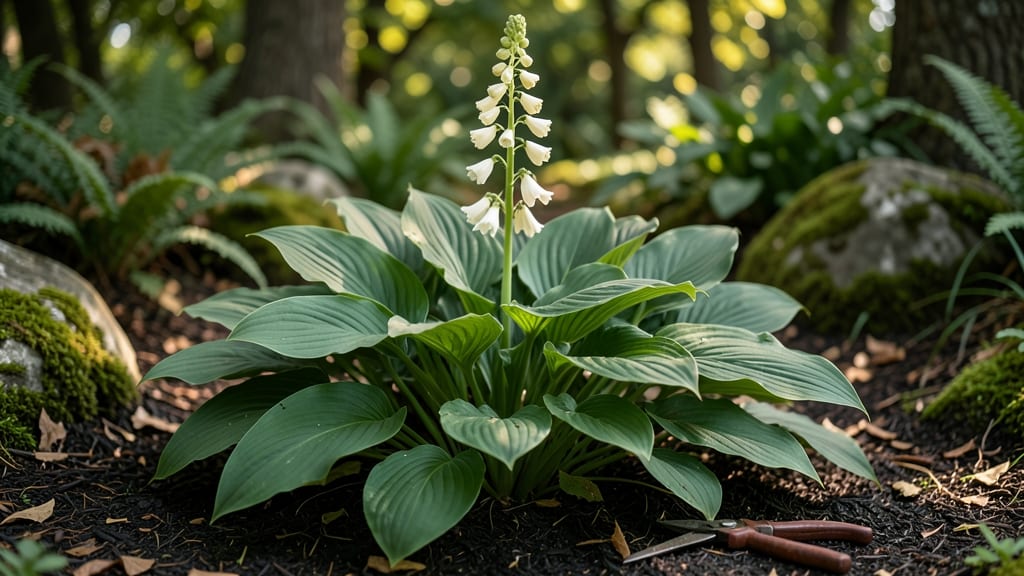
Large shade plants transform dull corners into lush, thriving spaces. ✨ I’ve turned my shady backyard into a green oasis using plants that flourish where others fail—think towering ferns, bold hostas, and dramatic tree ferns that add height and texture without needing sunlight. These plants aren’t just survivors; they’re stars.
A 5-foot-tall Japanese painted fern or a 6-foot hosta like ‘Halcyon’ creates instant drama, while smaller varieties like Astilbe add delicate plumes of color. The key is matching their light needs—deep shade for ferns, partial shade for hostas—and giving them rich, moist soil.
By the end of summer, your shaded areas will be bursting with life, with glossy leaves and architectural forms that make neighbors do double-takes. The best part? Once established, they’re nearly maintenance-free—just water and occasional mulch. Perfect for under trees, along fences, or in woodland gardens.
Let’s pick the perfect plants for your space!
📚 In This Guide
- What you need
- Instructions
- Tips and common mistakes
- Wrapping up and next steps
What you need
- ● Large shade-tolerant plants: 1–3 Hostas (e.g., ‘Blue Angel’ or ‘Halcyon’)
- ● 1 Fatsia japonica (Japanese aralia)
- ● 1 Hydrangea macrophylla (shade-loving variety)
- ● 1 Heuchera (e.g., ‘Palace Purple’)
- ● 1 Astilbe (for delicate foliage and blooms)
- ● Garden soil: 5–10 bags (50 lbs each) of well-draining, organic potting mix (e.g., Miracle-Gro Garden Soil or FoxFarm Ocean Forest)
- ● Compost: 2–3 cubic feet of aged compost (for nutrient boost)
- ● Organic mulch: 1–2 bags (1.5–2 cubic feet) of shredded bark or pine needles (to retain moisture)
- ● Garden tools: 1 garden trowel (for planting)
- ● 1 pruning shears (for trimming)
- ● 1 garden fork (for soil aeration)
- ● 1 watering can or hose (with adjustable nozzle)
- ○ Containers (optional for potted plants): 2–3 large ceramic or fabric pots (12–18 inches in diameter)
- ● 1 self-watering planter (for low-maintenance care)
- ● Slow-release fertilizer: 1–2 packets of osmocote or fish emulsion (for long-term nutrition)
- ● Shade cloth: Lightweight 30–50% shade cloth (if your area gets partial sun)
- ● Decorative stones or pebbles: For a polished, low-maintenance mulch look
- ● Plant supports: 1–2 bamboo stakes or cages (for taller plants like hydrangeas)
How to select and plant large shade plants for impact
Transform your dim corners into lush focal points with these bold, shade-tolerant giants.
🌿 Step 1: Choose Plants That Thrive in Low Light
For large shade plants, focus on species that handle less than 4 hours of direct sun daily while still delivering dramatic foliage. Hostas, ferns, and cast iron plants (like Aspidistra elatior) are my go-to choices—they grow 3-6 feet tall and form dense clumps that outperform smaller shade plants. Avoid anything labeled "sun-loving" even if it's labeled "tolerates shade"—those plants will yellow and flop within a season.
I always check the mature height before buying. A 4-foot hosta planted in a 3-foot diameter circle will look cramped in 3 years. Give each plant at least 2-3 feet of space—this ensures roots spread properly and prevents competition for moisture. For woodland gardens, mix heights: place 6-foot ferns behind 3-foot hostas to create depth.
🪴 Step 2: Prepare the Planting Site with Amended Soil
Large shade plants need rich, well-draining soil that holds moisture without becoming soggy. Test your soil first—if it's heavy clay, amend with 3-4 inches of compost mixed into the top 12 inches of soil. I swear by a 50/50 blend of native soil and compost for hostas; ferns prefer slightly more organic matter, so I bump that to 60% compost. Avoid fresh manure—it burns tender roots and attracts pests.
Dig the planting hole twice as wide as the root ball but only as deep. The top of the root ball should sit 1 inch above ground level—this prevents rot during heavy rains. If your soil drains poorly, add a 2-inch layer of coarse sand at the bottom of the hole before backfilling. Tap the soil gently around the roots to eliminate air pockets, then water deeply to settle everything.
✂️ Step 3: Plant and Mulch for Long-Term Success
Remove the plant from its container and loosen any circling roots with your fingers—this encourages outward growth instead of girdling. Position the plant so the largest leaves face outward, creating an immediate visual impact. Backfill with native soil mixed with compost, pressing gently to eliminate gaps. Water again until moisture seeps to the surface.
Apply 3-4 inches of mulch (shredded bark or wood chips) around the base, keeping it 2 inches away from the stem to prevent rot. Mulch conserves moisture, regulates soil temperature, and suppresses weeds—critical for large plants that need consistent care. Replenish mulch annually in spring, spreading it evenly over the root zone. Avoid plastic mulch; it traps heat and suffocates roots.
☀️ Step 4: Water Deeply and Monitor Growth Patterns
For the first 2-3 weeks, water deeply every 2-3 days until the soil feels moist 6 inches down. Large shade plants have extensive root systems that need time to establish. You'll know you're watering correctly when the soil stays damp but not waterlogged—soggy conditions lead to root rot, especially in heavy clay.
Watch for new growth as your signal. Hostas and ferns should produce 2-3 new leaves per week in ideal conditions. If growth stalls, check for yellowing leaves—a sign of overwatering or poor drainage. Adjust your watering schedule based on rainfall; mature plants need 1 inch of water weekly, but established roots handle dry spells better than soggy soil.
🌱 Step 5: Fertilize Strategically for Season-Long Vitality
Feed large shade plants in early spring with a balanced, slow-release fertilizer (10-10-10 or 20-20-20) applied at half strength. I use 1 tablespoon per square foot of soil area, working it into the top 2 inches of soil. Avoid high-nitrogen fertilizers—they promote leafy growth at the expense of root development, making plants more susceptible to disease.
In midsummer, switch to a low-nitrogen, high-phosphorus formula** (5-10-10) to encourage blooms and root strength. Water thoroughly after fertilizing to prevent burn. Mature plants rarely need feeding after the first year, but if you notice pale leaves or stunted growth, a light application in early spring keeps them thriving. Always water before and after fertilizing—this dilutes the concentration and protects roots.
Tips & tricks for perfect large shade plant plantings
Here's what I've learned after planting dozens of these bold beauties—tricks that'll make your shade garden thrive like a pro's.
Plant Selection Strategy: When choosing large shade plants, prioritize mature height and leaf size over youthful appeal. A 3-foot hosta might look petite in the nursery, but it'll spread to 4-5 feet in 3 years—measure your planting area first! I always look for plants with thick, sturdy stems and fewer than 3-4 leaves per stalk, which indicates a younger, more vigorous specimen that will establish faster. The less than 4 hours of direct sun rule is non-negotiable: even partial sun can scorch delicate foliage.
Soil Science: The 50/50 soil-compost blend for hostas is my go-to, but for ferns, I increase compost to 60%—they're pickier about moisture retention. Here's my secret: mix in 1 cup of perlite per 5-gallon bucket of amended soil to improve drainage without sacrificing moisture. This prevents the dreaded "soggy bottom" that causes root rot. For heavy clay soils, I also add 2 inches of coarse sand at the bottom of the planting hole—this creates a drainage layer while maintaining the compost-rich topsoil.
Mulching Mastery: That 3-4 inches of mulch isn't just for looks—it's a game-changer for moisture control. I use shredded hardwood mulch because it breaks down slowly and improves soil structure over time. The key is keeping it 2 inches away from the stem to prevent rot. Pro tip: apply mulch in two layers—first a 1-inch layer of compost directly on the soil, then the mulch on top. This feeds the roots while protecting them from temperature swings.
Growth Monitoring: Those 2-3 new leaves per week are your progress report! I track growth by marking the plant height on a nearby stake every 2 weeks during the first growing season. If you notice yellowing leaves after 3-4 weeks, it's usually overwatering—let the top 2 inches of soil dry out between waterings. For established plants, I follow the "finger test": stick your finger 2 inches deep—if it feels dry, water; if damp, wait. This prevents both underwatering and the root rot that comes from soggy soil.
Pro Tips for Large Shade Plants
- Here's what I've learned after planting dozens of these bold beauties—tricks that'll make your shade garden thrive like a pro's.
- Plant Selection Strategy: When choosing large shade plants, prioritize mature height and leaf size over youthful appeal.
- Soil Science: The 50/50 soil-compost blend for hostas is my go-to, but for ferns, I increase compost to 60%—they're pickier about moisture retention.
Frequently asked questions
Got questions about keeping large shade plants thriving? You’re not alone! Here are some of the most common concerns—plus straightforward answers to help you grow with confidence.
What are the best large shade plants for deep shade?
Look for hostas, heucheras, astilbes, ferns, and caladiums. These toughies handle low light like pros—just ensure they get at least 4+ hours of indirect light daily. For extra drama, try gunnera manicata (giant rhubarb) or tiarella cordifolia (foamflower) for texture.
How long does it take for large shade plants to establish?
Most take 1–2 growing seasons to fully root and fill out. Slow growers (like hostas) may need 3+ years for maximum size. Pro tip: Mulch heavily in the first year to retain moisture and reduce stress. Patience pays off—these plants reward long-term care with lush, vibrant foliage!
Do large shade plants need frequent watering?
Not always! Many (e.g., heucheras and astilbes) thrive on weekly deep watering once established. Check soil moisture—if the top 2 inches are dry, it’s time to water. Warning: Overwatering can rot roots. Use well-draining soil and containers with drainage holes if growing in pots.
Can I grow large shade plants in containers?
Choose large pots (15+ gallons) for plants like elephant ears or caladiums. Use a lightweight potting mix with perlite for drainage. Move containers occasionally for even light exposure, and fertilize monthly during the growing season. Bonus: Container plants are easier to overwinter indoors if needed!
What pests should I watch for with large shade plants?
Keep an eye out for slugs, snails, and aphids—they love tender new growth. Use copper barriers or beer traps for slugs, and blast aphids off with water. Prevention tip: Healthy plants (with proper spacing and airflow) resist pests better. A quick inspection after rain helps catch issues early!
Wrapping up and next steps
Large shade plants are the unsung heroes of your garden—thriving where others struggle, adding lush greenery, and even boosting privacy with minimal sunlight. Whether you're a beginner or a seasoned gardener, these hardy plants offer low-maintenance beauty and resilience, proving that shade doesn’t mean sacrificing style. 🌿
Ready to transform your shady spots? Start small: pick one or two plants from this list, experiment with placement, and watch your garden flourish! Need inspiration? Sketch a quick layout or snap photos of your space before planting—it’ll make the process even smoother. Happy gardening!