
Plants
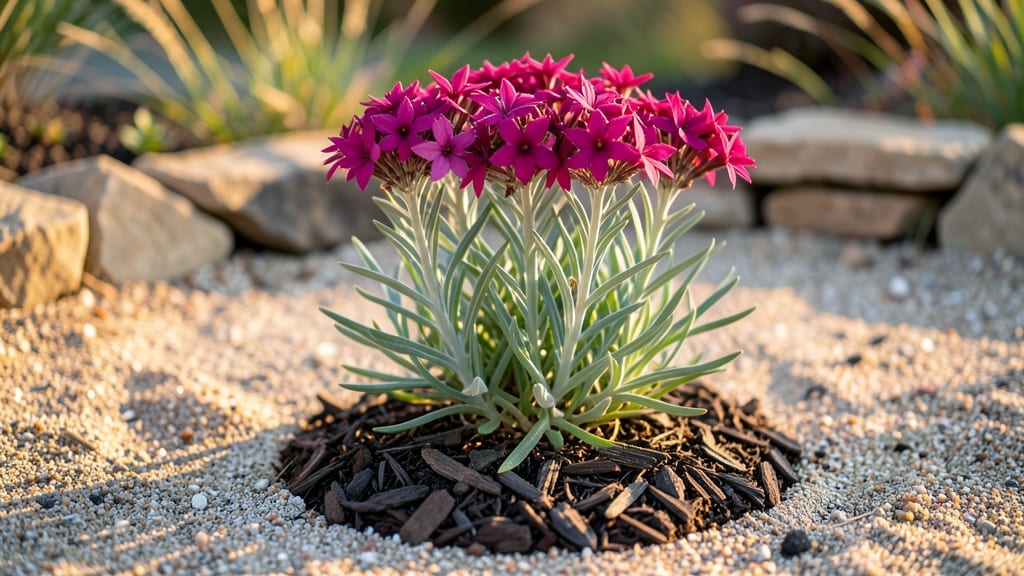
Sedum plants thrive in sun or shade, but getting the balance wrong can turn your 🌵 succulent into a sad, leggy shadow of itself.
Picture this: your sedum stretching toward the light like a sleepy cat reaching for the sun, or its leaves turning crispy under the midday glare. The truth? Most sedums crave full sun but handle shade surprisingly well—if you know the tricks.
Whether you’re working with 6a hardiness or a container on your patio, light exposure is the secret to keeping your sedum plump, vibrant, and ready to bloom.
Some varieties, like Sedum spectabile, practically beg for sun, while others, such as Sedum morganianum, prefer a gentler touch. The key isn’t just hours of light—it’s about matching the right care to your plant’s personality.
Below, I’ll break down how to read your sedum’s mood, adjust watering, and even transition it between sun and shade without causing stress.
By the end, you’ll know exactly how much sun or shade your sedum can handle—and how to give it the perfect growing conditions, no matter where you live. Ready to stop guessing and start growing?
 Best Window Placement
Sedum plant sun requirements: which varieties love full sunlight?
Sedum plants are famously low-maintenance, but their sunlight needs can vary dramatically between varieties. While some sedums practically beg for full sun, others wilt under intense afternoon rays.
Understanding these differences is key to avoiding leaf burn or leggy growth. Let’s break down which sedums crave sunlight and how to give them what they need.
For most gardeners, the ideal sunlight range for sun-loving sedums is 6 to 8 hours of direct light daily.
However, varieties like Sedum spectabile (Autumn Joy) can handle even full sun exposure in cooler climates, while others like Sedum spurium (Dragon’s Blood) thrive with 6 hours of morning sun and afternoon shade.
Regional adjustments matter too—sedums in USDA Zones 5-7 often need more sun than those in hotter zones like 8-10.
Signs your sedum is getting too much sun include crispy, brown leaf edges, a yellowing or bleached appearance, or stems that look stretched and weak. On the flip side, etiolation (long, pale stems) signals insufficient light. Both extremes stress the plant, so balancing light exposure is crucial.
Here’s a quick reference for sun-loving sedum varieties and their care needs:
| Variety | Sunlight Needs | Hardiness Zones | Mature Height | Key Care Tips |
|---|---|---|---|---|
| Sedum spectabile (Autumn Joy) | Full sun (6+ hours) | 3-9 | 18-24 inches | Drought-tolerant; prune after flowering |
| Sedum spurium (Dragon’s Blood) | Full sun to partial shade (4-6 hours) | 4-9 | 6-12 inches | Well-draining soil; avoid overwatering |
| Sedum telephium (Orpine) | Full sun to partial shade (5-6 hours) | 3-8 | 24-36 inches | Deadhead spent blooms; mulch in winter |
| Sedum acre (Golden Stonecrop) | Full sun (6+ hours) | 3-10 | 3-6 inches | Great for rock gardens; minimal water |
| Sedum kamtschaticum (Orange Stonecrop) | Full sun (6+ hours) | 3-9 | 3-6 inches | Spreads quickly; ideal for slopes |
If you’re growing sedums in containers, they’ll need even more sunlight than in-ground plants because pots heat up faster. Place them in south-facing spots or on patios where they get unfiltered sunlight.
For ground beds, amending soil with gravel or sand improves drainage, which is critical for sun-loving sedums.
In hotter climates (Zones 8-10), afternoon shade becomes essential to prevent heat stress. Use shade cloth or plant sedums near taller perennials that provide dappled shade during peak heat.
In cooler climates (Zones 3-5), sedums can handle full sun year-round, but mulching helps retain moisture in spring and fall.
For new gardeners, start with Sedum spectabile or Sedum acre—both are forgiving and thrive in full sun. If your sedum’s leaves start turning brown or crispy, move it to a shadier spot immediately.
Conversely, if it stretches toward the light, it’s time to increase sunlight exposure gradually over a week or two to avoid shocking the plant.
Pro tip: Observe your sedum’s leaf color and growth pattern. Healthy sun-loving sedums have deep green or vibrant hues and compact growth. If you notice pale, elongated stems, it’s a clear sign of insufficient light.
Adjust accordingly, and your sedum will reward you with bold blooms and lush foliage all season long.
🌵
Shade-tolerant Sedum varieties: best low-light options for partial shade gardens
Not all sedums crave full sun—some thrive in partial shade, making them perfect for woodland gardens or north-facing beds. If your yard has dappled sunlight or deep shade, these shade-tolerant sedums will reward you with vibrant foliage and minimal fuss.
The key is choosing the right variety and adjusting care to prevent common pitfalls like overwatering or leggy growth.
For example, Sedum morganianum (Burro’s Tail) and Sedum album (White Stonecrop) are top performers in low-light conditions. These varieties tolerate 2-4 hours of direct sun daily but prefer filtered light to maintain their compact, colorful forms.
Let’s explore how to care for them—and what mistakes to avoid—so your shade garden stays lush and healthy.
🌿 Shade-Tolerant Sedum Care: Pros & Cons
✅ Pros of Shade-Grown Sedum
- Slower water loss – Less risk of drought stress
- Vibrant foliage – Richer colors in indirect light
- Fewer pests – Shade deters aphids and spider mites
- Year-round interest – Some varieties stay compact in shade
❌ Cons of Shade-Grown Sedum
- Leggy growth – Stems stretch toward weak light
- Pale leaves – Less chlorophyll production
- Overwatering risks – Soil stays moist longer in shade
- Slower blooming – Fewer flowers in low light
To keep your shade-loving sedums thriving, start with well-draining soil amended with perlite or sand. These plants hate soggy roots, so raise beds slightly or add gravel to improve drainage. For container gardening, use pots with drainage holes and a cactus/succulent mix to mimic their natural habitat.
Watering is where many gardeners go wrong. In shade, soil dries slower, so reduce frequency to every 10-14 days—or when the top 1-2 inches feel dry. Overwatering leads to root rot, especially in Sedum morganianum, which is prone to fungal issues in damp conditions.
Stick your finger in the soil before watering; if it’s damp, wait.
Fertilizer needs drop in shade too. Skip heavy feeds and use a balanced 5-10-10 fertilizer once in spring to encourage growth. Too much nitrogen causes leafy but weak plants, while phosphorus and potassium support root health. Avoid fertilizing in winter—sedums rest during cooler months.
Prune leggy stems in early spring to encourage bushier growth. Cut back overly elongated stems by one-third to redirect energy to compact, vibrant foliage. This is especially important for Sedum album, which can become woody and sparse in deep shade without regular maintenance.
For a quick reference, here’s how your shade-tolerant sedums compare in light needs: Sedum morganianianum: 2-4 hours sun (best in morning light). Sedum album: 2-3 hours sun (tolerates full shade). Sedum rupestre: 3-5 hours sun (needs bright indirect light). Sedum telephium: 4-6 hours sun (adapts to partial shade). Sedum hybrid ‘Angelina’: 3-4 hours sun (golden foliage fades in deep shade). 🌱