
Orchid Care
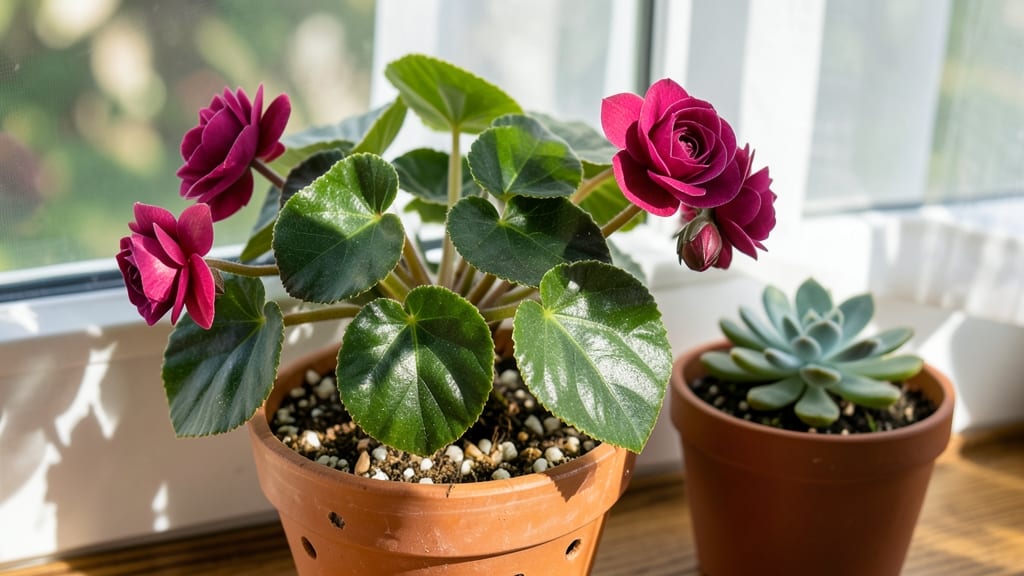
Whether in sun or shade, the Rieger begonia thrives with bright, indirect light—the key to keeping its delicate blooms vibrant and its leaves lush.
Struggling to keep your Rieger begonia blooming vibrantly year-round? The secret lies in mastering its light tolerance—too much sun scorches its delicate leaves, while too little shade dulls its striking colors.
This foliage plant loves the gentle glow of morning sun but needs protection from harsh afternoon rays, especially in USDA Zone 6a where summer heat can be intense.
Below, I’ll show you how to spot the signs of light stress, adjust placement for seasonal changes, and create the perfect balance for year-round beauty.
 Best Window Placement
Rieger begonia sun tolerance: how much light can it handle?
Rieger begonias are prized for their vibrant blooms and lush foliage, but their sun tolerance is often misunderstood. Unlike their hardier cousins, these beauties thrive in bright, indirect light—too much direct sun causes leaf scorch, while insufficient light leads to leggy growth and sparse flowers.
The key is finding that sweet spot between morning sun and afternoon shade.
Most Rieger begonias fall into a partial shade category, meaning they need 3-6 hours of filtered light daily. However, varieties like 'Dragon Wing' or 'Schwabenland' can handle slightly more sun, while 'Nonstop' series prefers gentler conditions. Your challenge? Deciphering your garden's microclimates to place them just right.
To test your garden's sun exposure, place a white piece of paper in potential spots for a week. Mark the hours it's fully sunlit—morning sun (6 AM–12 PM) is safer than afternoon sun (12 PM–6 PM).
If your spot gets more than 3 hours of direct afternoon sun, provide dappled shade with a sheer curtain or lattice screen.
Watch for heat stress signs like crispy leaf edges or yellowing foliage, which indicate too much sun. Conversely, pale leaves and stretched stems signal insufficient light. Adjust gradually—sudden light changes can shock your plant. For container growers, rotate pots weekly to ensure even light exposure.
Indoor growers should position Rieger begonias 2-3 feet from an east-facing window for gentle morning light. South-facing windows may require sheer curtains to diffuse harsh rays.
If natural light is limited, supplement with a grow light (12-14 hours daily) to prevent etiolation—the leggy, weak growth caused by light deprivation.
Seasonal shifts demand light adjustments. In summer's intense heat, move potted begonias to shadier spots or use reflective mulch to bounce light away. During winter's shorter days, extend light exposure to 6-8 hours to maintain vigor.
A south-facing porch with afternoon shade is ideal for summer, while a bright windowsill works year-round indoors.
Pro tip: Mulch with bark or gravel to regulate soil temperature—cool roots handle moderate sun better. Avoid placing begonias near heat-absorbing surfaces like black pavement, which can bake their roots. Instead, opt for light-colored containers that reflect heat rather than absorb it.
Remember, consistency is key. Rieger begonias adapt slowly to light changes, so monitor their response and tweak placement as needed. With the right balance, you'll enjoy continuous blooms from spring through fall—proof that partial shade is their happy place.
Best shade conditions for Rieger begonia blooms: what works best?
Rieger begonias thrive in shade conditions that mimic their natural tropical habitat, where direct sunlight can quickly damage their delicate foliage and blooms. The ideal range falls between 30% to 60% light intensity, which translates to bright, indirect light or dappled shade from nearby trees.
This balance ensures vibrant blooms while preventing leaf scorch, a common issue in gardens with harsh afternoon sun.
Understanding the difference between full shade and partial shade is key. Full shade (less than 30% light) may result in sparse blooming, while too much direct sun (over 60%) causes yellowing leaves and faded flowers.
For container gardens or patios, creating artificial shade with sheer curtains or lattice screens can replicate these perfect conditions year-round.
For container gardens, position your Rieger begonia where it receives morning sunlight (6 AM–10 AM) and afternoon shade (2 PM onward). If your balcony or patio gets intense afternoon sun, use a light-colored shade cloth (30-50% blockage) to diffuse harsh rays without eliminating all light.
This mimics the dappled shade conditions ideal for continuous blooming.
Monitor your plant's response to light by checking for yellowing leaves (too much sun) or stretched stems (too little light). Adjust placement gradually—move pots inch by inch closer to shade over 1-2 weeks to avoid shocking the plant.
In winter, supplement with a grow light for 6-8 hours daily if natural light drops below 30% intensity.
Pro tip: Place your begonia near an east-facing window during winter months, where light is gentler. If indoors, rotate the pot quarter-turns weekly to ensure even growth and prevent lopsided blooms. With the right shade balance, your Rieger begonia will reward you with year-round color and lush foliage.
🌿