
Shrubs
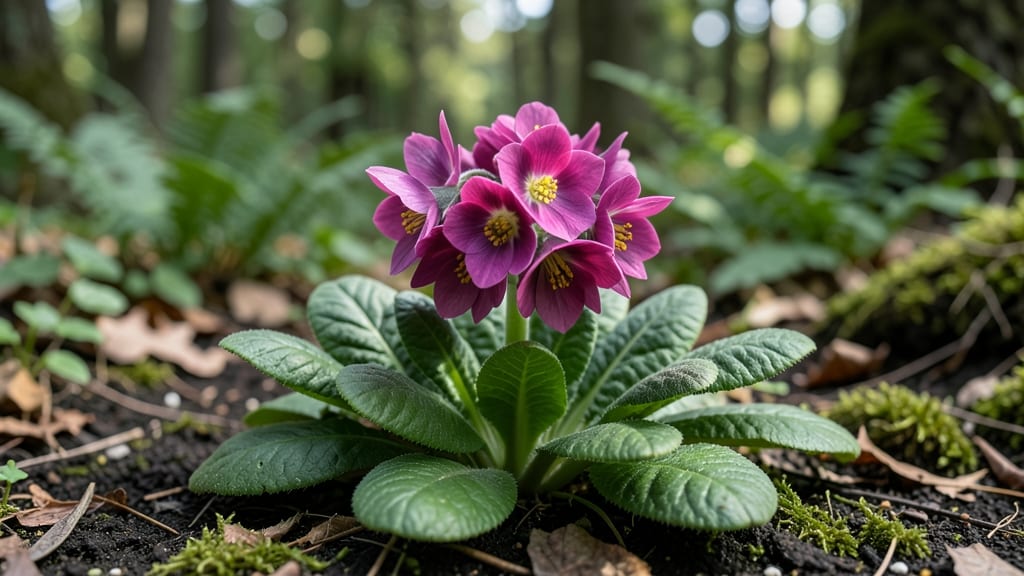
The right balance of primrose sun or shade determines whether your 🌸 primroses burst into bloom or struggle to survive.
Picture this: you’ve planted your favorite primrose varieties—maybe the classic Primula vulgaris or the bold Primula obconica—only to watch them wilt under too much sun or stretch leggy in deep shade. The truth? Most primroses thrive in partial shade, but some varieties actually crave morning sunlight.
Getting it wrong can mean fewer flowers or no blooms at all, and that’s a shame because these early spring stars deserve to shine.
In this guide, we’ll break down the light needs by variety, from sun-tolerant types to those that beg for shade. You’ll learn how to adapt your garden’s conditions—whether you’re in a bright border or a woodland edge—and troubleshoot common mistakes like scorched leaves or sparse blooms.
By the end, you’ll know exactly how to set up your primroses for a longer, more vibrant bloom season.
Ready to turn your primrose patch into a springtime showstopper? Let’s dive into the 4 light zones that will make all the difference.
 Best Window Placement
Primrose sun vs. shade requirements by variety
Not all primroses are created equal when it comes to sunlight. Some varieties thrive in bright morning sun, while others wilt under afternoon rays. The difference can mean the difference between vibrant blooms and leggy, sparse foliage.
Let’s break down the light needs of the most popular primrose varieties so you can match them to your garden’s conditions.
Understanding these preferences isn’t just about placement—it’s about bloom timing and color intensity. For example, Primula obconica may produce duller blooms in deep shade, while Primula denticulata could struggle with midday heat stress.
Let’s dive into the specifics so you can give each variety the perfect light environment.
| Variety | Ideal Light | Sun Tolerance | Bloom Impact | Best For |
|---|---|---|---|---|
| Primula vulgaris (English Primrose) | Partial shade (3–6 hours sun) | Morning sun only | Vibrant blooms, early spring | Woodland gardens, borders |
| Primula denticulata (Candytuft Primrose) | Full shade to partial shade | No direct sun | Prolonged blooming, delicate flowers | Shady borders, under trees |
| Primula obconica (Cowslip Primrose) | Partial shade (2–4 hours sun) | Tolerates light afternoon sun | Bright colors, late winter blooms | Rock gardens, containers |
| Primula elatior (Oxlip) | Partial shade (4–6 hours sun) | Morning sun preferred | Fragrant blooms, late winter | Woodland edges, shaded patios |
| Primula japonica (Japanese Primrose) | Full shade to partial shade | No direct sun | Dark foliage, summer blooms | Shady spots, understory plants |
If you’re growing Primula vulgaris, the classic English primrose, aim for partial shade with morning sun. These plants love dappled light but will struggle in hot afternoons, especially in USDA zones 7–9.
I’ve seen them bolt to seed when over-exposed to sun, so filtered light is key for prolonged blooming.
For Primula denticulata, think of it as the shade-loving diva of the primrose world. This variety cannot tolerate direct sunlight—its leaves will scorch within hours of exposure.
Instead, place it under deciduous trees where it gets bright, indirect light all day. The trade-off? Longer bloom times and more delicate flowers than sun-loving cousins.
Primula obconica, often called the cowslip primrose, is the most sun-tolerant of the bunch. It can handle up to 4 hours of afternoon sun in cooler climates, but avoid intense midday rays in southern gardens. I’ve grown this variety in containers on patios with morning sun and afternoon shade, and it reblooms reliably if deadheaded promptly.
Light exposure directly impacts bloom timing. Shade-loving varieties like Primula denticulata often bloom later in spring because they focus energy on foliage first. In contrast, Primula obconica may bloom as early as late winter when given sufficient light.
This is why matching variety to light is crucial for season-long color.
Color intensity is another light-dependent factor. Primroses grown in partial shade often produce brighter, more vibrant blooms because they don’t overheat. I’ve noticed Primula vulgaris in full sun can fade to pastels by midday, while those in dappled light retain their deep hues all day. For <
4 Light zones for primrose success: how to adapt your garden
Primroses are famously adaptable, but their light needs vary dramatically by variety. Too much sun can scorch delicate leaves, while insufficient light may lead to leggy stems and sparse blooms. The key lies in matching your garden’s microclimate to the right primrose type.
Whether you have a sun-drenched border or a shady woodland edge, I’ll show you how to optimize conditions for vibrant blooms.
Start by assessing your garden’s light zones. Full sun areas receive 6+ hours of direct sunlight, while partial shade gets 3–6 hours. Dappled light filters through tree canopies, and deep shade offers less than 3 hours of indirect light.
Each zone requires specific adjustments to soil, water, and companions to keep primroses thriving. Let’s dive into the strategies for each.
- 1 Full Sun (6+ hours): Choose sun-tolerant varieties like Primula denticulata. Amend soil with organic matter to retain moisture. Mulch with gravel or bark to reduce heat stress.
- 2 Partial Shade (3–6 hours): Ideal for classic primroses like Primula vulgaris. Ensure moist, well-draining soil and avoid waterlogging. Pair with hostas or ferns for humidity support.
- 3 Dappled Light (filtered sun): Perfect for woodland primroses like Primula elatior. Use leaf mold or compost to enrich soil. Avoid heavy mulch to prevent fungal issues.
- 4 Deep Shade (<3 hours): Reserve for shade-loving types like Primula japonica. Boost soil fertility with well-rotted manure and water consistently. Plant near rhododendrons or azaleas for acidic soil benefits.
If your primroses develop leggy stems or fewer blooms, it’s often a light mismatch. Leggy growth typically signals insufficient light, while yellowing leaves may indicate too much sun.
Adjust by moving plants or pruning nearby foliage to fine-tune light exposure. For container-grown primroses, rotate pots weekly to ensure even light distribution.
Companion planting can also enhance light conditions. Tall perennials like delphiniums provide shade for primroses in hot afternoons, while low-growing ground covers like ajuga retain soil moisture. In shady spots, pair primroses with heucheras or coral bells to create a lush, layered display.
Always monitor your plants’ response and adjust gradually to avoid stress.
Remember, primroses are early bloomers, so prioritize light adjustments in late winter or early spring when they’re actively growing. With the right light zone and a little TLC, your primroses will reward you with months of vibrant color—whether basking in morning sun or thriving in dappled shade. 🌸