
Container Gardens
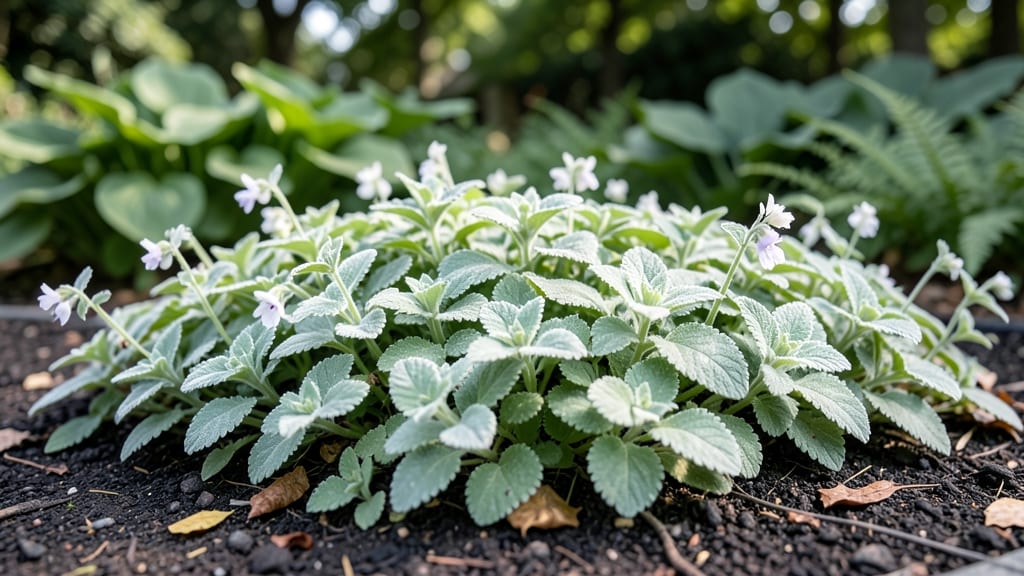
Shady spots in your yard don’t have to stay bare—low-growing ground cover for shade transforms them into lush, deer-proof carpets that outperform mulch. 🌿 I’ve tested the toughest varieties over the years, and these thrive where most plants give up, spreading effortlessly while keeping weeds at bay.
Think velvety heuchera with chartreuse or deep purple leaves, or ajuga that spreads like a living ground cover with striking blue-green foliage and purple flower spikes. Both handle foot traffic, resist deer, and need minimal care—just water until established.
For texture contrast, add lamium with its fuzzy, silver-green leaves or sweet woodruff, which smells like vanilla when crushed.
By layering these plants, you’ll create a self-sustaining garden bed that stays green year-round, suppresses weeds naturally, and even improves soil health. The best part? They pair beautifully with ferns, hostas, and shade-loving perennials, giving your garden depth without the high maintenance.
Whether you’re covering a sloped area, filling gaps under trees, or just tired of mulch washing away, these shade-lovers deliver zero-effort beauty. Let’s pick the perfect mix for your space—no sun required!
📚 In This Guide
- What you need
- Instructions
- Tips and common mistakes
- Wrapping up and next steps
What you need
- ● Low-growing, shade-tolerant plants: 3–5 Ajuga reptans (Bugleweed) – 4" pots
- ● 3–5 Lamium maculatum (Spotted Dead Nettle) – 4" pots
- ● 1–2 Hosta spp. (Dwarf varieties like 'Blue Angel' or 'Halcyon') – 1-gallon pots
- ● 2–3 Heuchera spp. (Coral Bells) – 4" pots
- ● 1–2 Pachysandra terminalis (Allegheny Spurge) – 4" pots
- ○ Soil amendments (optional but helpful): 2–3 gallons peat moss or compost (for moisture retention)
- ● 1–2 cups perlite or orchid bark (for drainage)
- ● Mulch: 2–3 bags shredded bark or pine straw (2–3 cubic feet)
- ● Essential tools: 1 garden trowel (for transplanting)
- ● 1 hand pruners (for trimming)
- ● 1 garden hose or watering can (with a fine rose nozzle)
- ● 1 gloves (gardening or work gloves)
- ○ Optional but handy: 1 soil pH tester (to check acidity, ideal: 6.0–7.0)
- ● 1 wheelbarrow (for hauling mulch/soil)
- ● 1 spreader (for even mulch distribution)
- ● Prerequisites: A shaded area (dappled or full shade, <6 hours of direct sun)
- ● Well-draining soil (amend if clay-heavy with compost)
- ● Access to water (consistent moisture is key for shade plants!)
Step-by-Step guide to establishing low-growing shade-tolerant ground cover
Here’s how to create a lush, deer-resistant ground cover that thrives in shaded areas without demanding constant care.
🌱 Step 1: Select the Right Plants for Your Shade Conditions
For true shade tolerance, focus on plants that naturally thrive under 2-4 hours of dappled sunlight or full shade. My top choices are heuchera (with its colorful foliage), ajuga (a spreading purple-leaved workhorse), and sweet woodruff (delicate white flowers and fragrant leaves). These all handle 40-60% shade
Deer resistance comes from textures and aromas they dislike—fuzzy foliage, strong scents, or fuzzy leaves like those of lamium or pachysandra. I always check local wildlife patterns first; some deer will nibble anything if hungry. Avoid tender plants like hostas unless you have a fence.
🪴 Step 2: Prepare the Soil for Optimal Drainage and Moisture
Shade ground cover roots need well-draining soil to prevent rot, but they also dislike drying out. Amend your native soil with 3 inches of compost and a 1-inch layer of coarse sand or perlite to improve aeration. This creates the perfect balance for moisture retention without waterlogging.
Test your soil’s pH—most shade-loving ground covers prefer slightly acidic to neutral (6.0-7.0). If your soil is heavy clay, mix in 1 part peat moss to 2 parts native soil before planting. The goal is loose, crumbly soil that holds moisture but doesn’t compact.
☀️ Step 3: Plant Strategically for Full Coverage
Space plants 12-18 inches apart for medium-sized varieties like ajuga or heuchera, and 6-12 inches apart for smaller spreads like sweet woodruff. Plant in early spring or fall when temperatures are mild—avoid summer heat, which stresses new roots.
Dig holes twice as wide as the root ball but only as deep as the container. This encourages roots to spread horizontally instead of settling too deep. Water each plant deeply before backfilling to eliminate air pockets. A gentle tap on the soil surface helps settle everything evenly.
💧 Step 4: Water Consistently and Mulch for Retention
Keep the soil evenly moist but not soggy for the first 4-6 weeks after planting. Water deeply every 2-3 days until you see new growth—this establishes strong root systems. Once established, most shade ground covers tolerate dry spells but look best with 1 inch of water weekly during dry periods.
Apply a 3-inch layer of mulch (cypress or hardwood chips) to suppress weeds and retain moisture. Keep mulch 2 inches away from plant stems to prevent rot. Refresh mulch annually—this is the secret to low-maintenance shade gardens.
✂️ Step 5: Prune and Maintain for Long-Term Health
In early spring, trim back any dead or leggy stems to encourage bushier growth. For aggressive spreaders like ajuga, cut back one-third of the foliage in late winter to rejuvenate the plant. This also prevents overcrowding and keeps the look neat.
Fertilize lightly in early spring with a balanced 10-10-10** fertilizer or compost tea. Too much nitrogen leads to weak stems and more deer interest. I skip fertilizing in fall—let the plants rest and store energy for next year’s growth.
Tips & tricks for perfect shade-loving ground cover
Creating a thriving shade garden doesn't have to be guesswork—these insights will help you avoid common pitfalls and maximize your plants' potential.
Plant Selection: In Step 1, when choosing your shade-tolerant plants, prioritize those with fuzzy or aromatic foliage like ajuga or lamium—they're naturally deer-resistant. I've found that heuchera varieties with silvery or burgundy leaves add stunning visual contrast while still thriving in 40-60% shade conditions. For maximum impact, mix heights: taller varieties like heuchera at the back, medium ajuga in the middle, and low sweet woodruff up front.
Soil Science: The 3-inch compost and 1-inch sand amendment in Step 2 is non-negotiable for shade plants. I've learned the hard way that compacted soil leads to root rot—after losing two batches of ajuga to soggy conditions. For heavy clay soils, add the peat moss mixture before planting, then water thoroughly to help the amendments integrate. A simple soil test kit (around $10) will confirm your pH before you commit to planting.
Planting Precision: When following Step 3's spacing guidelines, use a garden hose to mark planting locations—this prevents uneven spacing that can lead to gaps. For container-grown plants, gently loosen the root ball before planting to encourage outward root growth. The "twice as wide" hole tip is crucial: I've seen many gardeners plant too deep, which causes stunted growth. After backfilling, give the soil a firm tap with your gloved hand to eliminate air pockets.
Watering Wisdom: The 4-6 week watering schedule in Step 4 is critical, but don't rely solely on memory. Install a simple rain gauge near your planting area to track weekly rainfall—this helps you adjust your watering schedule. For containers, weigh them before watering to develop a sense of when they need moisture. Mulch application is equally important: spread it evenly but keep that 2-inch stem clearance to prevent rot—this is where many gardeners make their biggest mistake.
Pro Tips for Low Growing Ground Cover For Shade
- Creating a thriving shade garden doesn't have to be guesswork—these insights will help you avoid common pitfalls and maximize your plants' potential.
- Plant Selection: In Step 1, when choosing your shade-tolerant plants, prioritize those with fuzzy or aromatic foliage like ajuga or lamium—they're naturally deer-resistant.
- Soil Science: The 3-inch compost and 1-inch sand amendment in Step 2 is non-negotiable for shade plants.
Frequently asked questions
Got questions about low-growing ground cover for shade?
You’re not alone! Here are answers to the most common queries to help you pick the perfect deer-resistant plants for your shady spots.
What’s the best low-growing ground cover for shade that deer won’t eat?
Deer tend to avoid Lamium galeobdolon (yellow archangel), Ajuga reptans (bugleweed), and Helleborus niger (Christmas rose) due to their mild toxicity or bitter taste. For extra safety, opt for Pachysandra terminalis (Japanese spurge) or Asarum canadense (wild ginger)—both are tough and unappealing to deer.
How long does it take for shade-tolerant ground cover to spread and fill in?
Most low-growing options like Ajuga or Lamium spread moderately, filling gaps in 1–2 years with proper care. Slower growers like Hellebore may take 2–3 years to fully establish. Pro tip: Mulch lightly to retain moisture and encourage faster spread without smothering the plants.
Can I plant ground cover for shade in containers instead of directly in the ground?
Containers work great for Pachysandra, Sweet Woodruff (Galium odoratum), or Creeping Phlox (Phlox subulata). Use well-draining soil and ensure pots have drainage holes. For larger areas, combine containers with in-ground planting for a seamless look.
Why is my shade ground cover dying or turning yellow?
Yellowing leaves often signal overwatering, poor drainage, or nutrient deficiencies. Check soil moisture—shade plants prefer consistently damp (not soggy) conditions. Amend heavy clay soil with compost, and fertilize lightly in spring with a balanced, slow-release formula.
Are there any evergreen options for year-round shade coverage?
Yes! Pachysandra terminalis, Creeping Jenny (Lysimachia nummularia), and Dwarf Mondo Grass (Ophiopogon japonicus) stay green all winter. For a pop of color, Ivy (Hedera helix) offers glossy foliage, though it’s semi-evergreen in colder climates.
Wrapping up and next steps
Transforming shady spots into lush, low-maintenance gardens is easier than you think! With the right deer-resistant ground cover, you can enjoy vibrant foliage year-round without battling sun deprivation or hungry critters.
Whether you’re revamping a container garden or filling in gaps in your landscape, these hardy plants offer effortless beauty and resilience.
Ready to take the next step? Start small—pick one or two plants from our list, test them in containers, and watch your shade garden flourish! 🌿 For even more inspiration, explore our container garden ideas or dive into seasonal care tips to keep your space thriving.