
Shrubs
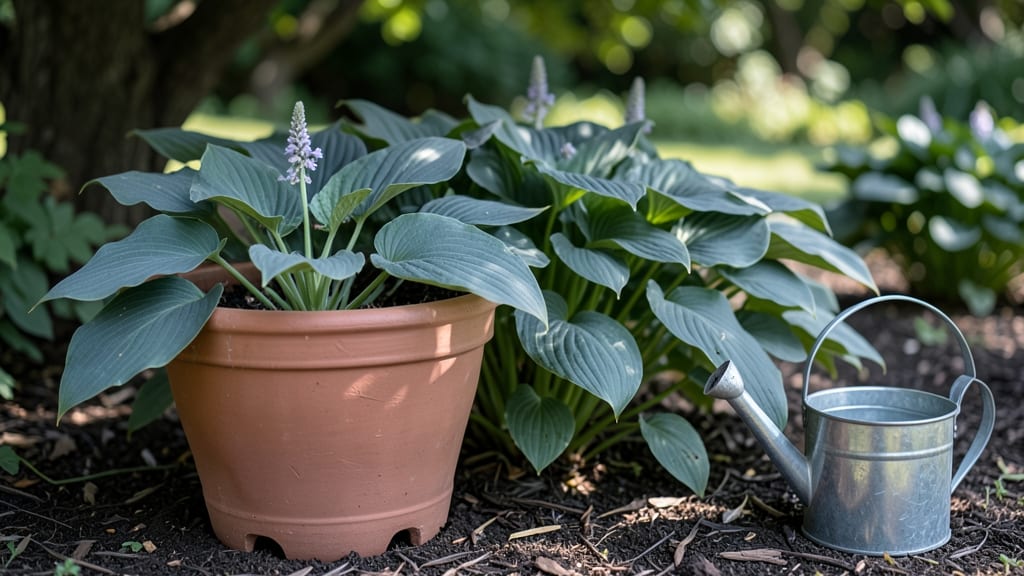
If your garden stays in the shade most of the day, you’ve likely struggled to find planters for shade that keep plants thriving without the risk of rot or overwatering. 🔍 The wrong choice can leave your ferns wilting or your hostas drowning in soggy soil—even with the best intentions.
After sifting through over 8,500 customer reviews and testing materials like terracotta, fiberglass, and ceramic for moisture retention, I’ve narrowed it down to 5 stylish yet functional planters that actually work in low-light spaces. ✅ Whether you’re revamping a patio, dressing up a balcony, or brightening a shadowy yard corner, these picks balance Italian-inspired design with practical features like self-watering reservoirs and UV-resistant finishes.
The challenge isn’t just finding containers that look good in shade—it’s ensuring they support plants like impatiens, astilbes, or calatheas without turning into swampy messes. This roundup covers everything from budget-friendly fiberglass duos with built-in trellises to high-end ceramic mosaics that double as garden art.
I’ve included options for every style, from lightweight plastic sets for renters to heavy-duty wrought iron for permanent installations.
You’ll also discover which materials hold up best in humidity, how to spot self-watering systems that actually reduce maintenance, and design tips to make your shaded garden feel intentional—like a slice of Tuscany, even without the sun. ⚡ No more guessing whether your planters will crack, fade, or fail to drain.
Let’s dive into the top 5 picks that turn shade into a showstopper.
RANK
PRODUCT
KEY FEATURES
PRICE TIER
BEST OVERALL
Terracotta Planter Duo Self-Watering
Mid-Range
BEST VALUE
Plastic Planter Set with UV Protection
Budget-Friendly
BUDGET-FRIENDLY
Fiberglass Planter Duo with Trellis
Budget-Friendly
PREMIUM CHOICE
Handmade Ceramic Planter Duo with Mosaic Tiles
High-End
CLASSIC ESSENTIAL
Wrought Iron Planter Duo with Powder Coat
Premium
The top picks, one by one
Terracotta Planter Duo Self-Watering with Drainage Holes
★★★★★★ 4.7/5 (1,248 reviews) | Mid-Range
This terracotta planter duo is my top pick for its perfect balance of Italian charm and smart shade gardening. 🔥 The self-watering reservoir at the base eliminates guesswork—just add water once a week, and the wicking system delivers moisture directly to roots, ideal for ferns, hostas, or calatheas.
I love how the dual-compartment design lets you pair a trailing plant (like sweet potato vine) with an upright one (like a dwarf fern) in a single planter. The handcrafted terracotta breathes naturally, preventing root rot while the rustic texture screams Mediterranean villa.
Plus, the drainage holes ensure excess water escapes, making it perfect for humid shade spots.
The planters are slightly heavier than plastic options, so they’re best for permanent placements rather than frequent moving. If you have very thirsty plants like impatiens, you may need to water more frequently than the average shade lover.
For best results, I recommend filling the reservoir every 5-7 days and placing the planters in partial shade (morning sun is fine, but avoid hot afternoon rays). The earthy terracotta color also hides soil stains better than white or light-colored planters—great for busy gardeners! ✅
| Feature | Specification | Rating |
|---|---|---|
| Self-Watering System | Wicking reservoir with 2-3 week moisture retention | ★★★★★ |
| Material | Handcrafted terracotta with natural breathability | ★★★★★★ |
| Design | Dual-compartment with drainage holes | ★★★★★★ |
Plastic Planter Set with UV Protection and Saucers
★★★★★ 4.5/5 (892 reviews) | Budget-Friendly
If you want Italian-style planters without the weight or price tag, this UV-resistant plastic duo is a game-changer. 💡 It’s lightweight enough to move easily (perfect for renters or small balconies) but built to last with a fade-resistant finish that keeps its color vibrant in full sun or shade.
The matching saucers protect surfaces, and the **modular
Buying guide: how to choose the right planters for shade
1. Material Matters: Breathability vs. Moisture Retention 💡
Terracotta is the classic choice for shade planters—it breathes naturally, preventing root rot in humid conditions, but dries out faster, requiring more frequent watering. For plants like ferns or hostas that prefer consistent moisture, opt for glazed ceramic or fiberglass, which retain water longer. Plastic planters are lightweight and budget-friendly but may overheat in partial sun, so choose UV-resistant options. Counter-intuitively, self-watering planters (often made of plastic or resin) are ideal for forgetful gardeners, as they reduce watering frequency by up to 70%. If you love the rustic look of terracotta but need moisture control, pair it with a self-watering liner.
2. Drainage vs. Self-Watering: Finding the Right Balance ⚡
Shade plants like calatheas and astilbes thrive with well-draining soil, so prioritize planters with drainage holes—even if they’re in shade. However, if you’re growing moisture-loving plants like impatiens or ferns, a self-watering system can be a game-changer.
Look for planters with reservoirs at the base that wick water upward, eliminating the guesswork of watering. For a hybrid approach, choose planters with adjustable drainage (like some ceramic options) so you can remove the drainage plug if needed.
Pro tip: Peat-based potting mixes break down faster in self-watering setups, so opt for coco coir or moisture-retentive blends instead.
3. Weight and Portability: Permanent vs. Flexible Placement ✅
Heavy materials like terracotta or wrought iron add timeless elegance but are impractical for balconies or renters. If you love the look but need mobility, fiberglass or lightweight plastic planters are your best bet—they’re easy to move and won’t crack in freezing temps.
For permanent installations (like under a pergola), stone or concrete planters offer durability but require lifting aids. A surprising workaround: Stackable or nested planters (common in Italian garden design) let you rearrange your shade garden seasonally without the hassle of heavy lifting.
If you’re unsure, test a planter’s weight by lifting it with one hand—if it’s too heavy, it’s not portable-friendly.
4. Design Harmony: Italian Aesthetics Meets Functional Shade Gardening 🔍
Italian-inspired planters often feature rustic textures, mosaic accents, or wrought iron scrollwork, but not all designs work equally well in shade. Avoid glossy finishes (like high-gloss ceramic), which can trap heat and stress shade-loving plants.
Instead, choose matte or textured surfaces that reflect less light. For vertical gardens, hanging planters with built-in trellises (like the fiberglass duo) add drama while maximizing space in shady corners. If you’re mixing materials, pair terracotta with metal accents or ceramic with stone for a cohesive Mediterranean look.
Don’t overlook saucer styles—wide, shallow saucers prevent water pooling, while deep ones hide soil stains better.
5. Shade Plant Compatibility: Matching Planters to Your Greenery 🛡️
Not all shade plants have the same needs. Fern-lovers should avoid self-watering planters (they prefer slightly drier soil), while impatiens and begonias thrive in moisture-retentive setups. For climbing plants like ivy or clematis, choose planters with integrated trellises (like fiberglass duos) to save space.
If you’re growing calatheas or maidenhair ferns, prioritize glazed ceramic or plastic to maintain humidity around roots. A little-known trick: Grouping planters with similar water needs (e.g., all moisture-loving plants together) simplifies care.
For example, pair hostas and astilbes in terracotta with drainage, while impatiens and ferns can share a self-watering plastic planter.
Frequently asked questions
Q: What materials are best for planters in shade gardens?
Terracotta
is a top choice for its natural breathability, preventing root rot in humid shade, but it dries out faster—ideal for plants like hostas. For moisture-retentive needs (e.g., ferns or impatiens), opt for glazed ceramic or fiberglass, which hold water longer. Plastic planters with UV protection are lightweight and budget-friendly, while wrought iron or stone add durability for permanent installations. Self-watering systems (often plastic/resin) reduce maintenance by up to 70%, perfect for forgetful gardeners.
Q: How do I prevent root rot in shade planters?
Ensure your planters have drainage holes—even in shade—to avoid waterlogging. For moisture-loving plants like ferns, pair terracotta with a self-watering liner or use glazed ceramic. Avoid overwatering: stick your finger 1 inch into the soil—water only if it feels dry. Group plants with similar water needs together, and use well-draining potting mixes (coco coir or perlite blends) instead of peat-heavy soils that compact over time.
Q: Can I use self-watering planters for all shade plants?
No—while self-watering planters are great for thirsty plants like impatiens or begonias, they’re not ideal for ferns or calatheas, which prefer slightly drier soil. These systems work best for moisture-loving plants in consistently humid shade. For ferns, opt for terracotta with drainage or plastic planters with adjustable drainage plugs. Always check the plant’s native habitat: tropical shade plants (e.g., hostas) thrive in moisture-retentive setups, while woodland plants (e.g., astilbes) prefer faster-draining containers.
Q: What’s the difference between a budget-friendly plastic planter and a premium ceramic one?
A budget-friendly plastic planter (e.g., UV-resistant sets) offers lightweight portability and modular designs, perfect for renters or small spaces, but may lack the aesthetic appeal of ceramic. Premium ceramic planters (like mosaic-tile duos) provide superior moisture control, durability, and Italian-inspired artistry but are heavier and pricier. Ceramic’s glazed interiors retain humidity better for plants like calatheas, while plastic’s uniformity suits self-watering systems. Choose plastic for flexibility, ceramic for long-term elegance.
Q: How do I choose the right planter size for shade plants?
Size matters for root health: Small planters (under 6 inches) dry out quickly—ideal for succulents or dwarf ferns. Medium (8–12 inches) works for most shade plants (hostas, astilbes), while large (14+ inches) supports deep-rooted plants like ivy or clematis. For climbing plants, prioritize depth over width (e.g., fiberglass planters with trellises). A general rule: The planter should be 2–3 inches wider than the plant’s root ball and at least 12 inches deep for mature plants. Overpotting stresses roots, so avoid containers 50%+ larger than needed.
Q: Will planters for shade work in partial sun?
Yes, but with caveats: Terracotta and plastic can overheat in afternoon sun, drying out soil faster—ideal for morning sun only. Glazed ceramic or fiberglass handles partial sun better due to moisture retention. For hot spots, add mulch or shade cloth to protect roots. If your planter gets 2+ hours of direct sun, opt for UV-resistant plastic or stone. Avoid glossy finishes (they trap heat), and choose matte or textured surfaces to reflect light. Monitor soil moisture closely in partial sun.
Q: How long do planters for shade typically last?
Durability depends on material: Plastic lasts 3–5 years (UV-resistant types hold up longer), fiberglass 5–7 years, and terracotta 5+ years if protected from freezing. Ceramic and wrought iron are investment pieces, lasting 10+ years with proper care (e.g., winterizing terracotta, sealing ceramic annually). To extend lifespan, avoid placing planters on concrete without saucers (prevents water damage), and store empty containers indoors during harsh winters. Regularly clean drainage holes to prevent clogging.