
Companion Plants
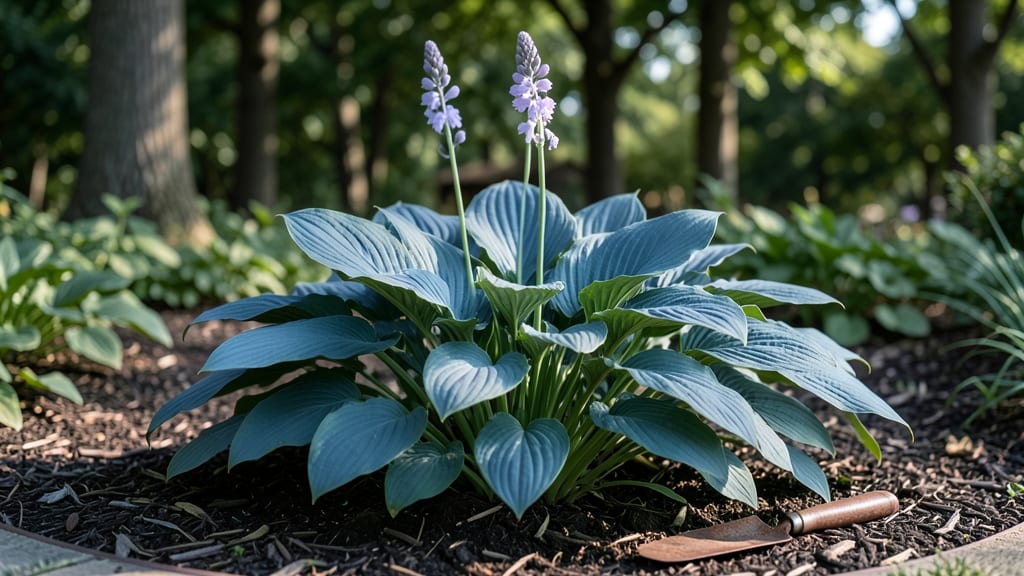
Shaded gardens don’t have to be dull—some plants thrive where others fail. 🌿 I’ve filled my own dark corners with foliage that practically glows and flowers that bloom like they’re basking in full sun, proving shade isn’t a limitation, just a different kind of opportunity.
The secret lies in choosing the right players: hostas that grow like they’re on a caffeine high, ferns that unfurl delicate lacework, and impatiens that explode with color without needing a single direct ray. These aren’t just survivors—they’re stars. My favorite?
The deep purple leaves of ‘Blue Angel’ hosta, which look like they’ve been dusted with magic under the dappled light. You’ll end up with a garden that feels lush and alive, not sparse and struggling.
The air stays cooler, the soil stays moister, and the plants reward you with vibrant foliage and unexpected blooms all season long. Think velvety textures, jewel-toned leaves, and flowers that pop against the green backdrop. Works for any shady spot—woodland edges, north-facing yards, or the shadow of a big tree.
Here’s how to pick the perfect plants for your darkest corners!
📚 In This Guide
- What you need
- Instructions
- Tips and common mistakes
- Wrapping up and next steps
What you need
- ● Shade-tolerant plants: 5–10 varieties (e.g., hostas, ferns, impatiens, astilbes, or heucheras). Choose based on your shade level (full, partial, or dappled).
- ● High-quality potting soil or garden soil: 5–10 bags (1–2 cubic feet each), amended with compost for better drainage and nutrients.
- ● Containers or garden beds: Containers: 3–5 pots (10–14 inches deep) with drainage holes for potted plants.
- ● Garden beds: A 3’x3’–4’x4’ area with well-prepared soil (remove weeds/rocks first!).
- ● Mulch: 2–3 bags (straw, wood chips, or shredded bark) to retain moisture and suppress weeds.
- ● Organic fertilizer: Slow-release granules (e.g., 10-10-10 or compost-based) for nutrient boosts.
- ● Garden trowel or hand shovel for planting.
- ● Pruners or shears for trimming (sterilize with rubbing alcohol!).
- ● Watering can or hose with a gentle spray nozzle (avoid over-saturating shade plants!).
- ○ Gloves (optional but handy for thorny plants like holly or berries).
- ● Shade assessment: Note sunlight patterns (e.g., north-facing walls cast deep shade).
- ○ Soil test kit (optional): Check pH (ideal: 6.0–7.0 for most shade plants).
- ● Water source nearby (shade plants need consistent moisture!).
How to select and plant thriving shade-loving garden varieties
Here’s how to transform dim corners into lush, vibrant spaces using plants that naturally flourish in low light.
🌿 Step 1: Choose the Right Shade-Tolerant Plants
Not all shade is equal—dappled shade (filtered sunlight) allows more light-loving plants like hostas, ferns, and astilbes, while deep shade (little to no direct light) thrives with heucheras, lungworts, and Japanese painted ferns. I always check the plant tag for light requirements before buying, because even shade plants have limits.
For 4-foot-tall borders, I mix hostas (for height and texture) with bleeding hearts (for delicate blooms) and ajuga (for ground cover). This combo creates layers that catch light differently, making the space feel fuller. Avoid sun-lovers like sunflowers or lavender—they’ll just wilt in low light.
🪴 Step 2: Prepare the Soil for Moisture-Retentive Growth
Shade plants often have shallow root systems, so soil must stay moist but not soggy. Amend your native soil with 2-3 inches of compost (from your ingredients list) to improve drainage and fertility. I like to work in a handful of perlite (if available) to prevent compaction, which is a common issue in shaded areas where organic matter breaks down slowly.
Test the soil’s moisture by squeezing a handful—it should hold together but not drip. If it’s too dense, add more organic matter. Shade plants hate dry soil, so this prep step is non-negotiable. I also mulch heavily with 3-4 inches of shredded bark or leaves to lock in moisture and suppress weeds.
☀️ Step 3: Plant Strategically for Light and Airflow
Place taller plants (like foxgloves or astilbes) at the back of the bed, where they won’t block light from reaching shorter varieties. I space them 18-24 inches apart to allow airflow, which prevents fungal diseases that thrive in damp shade. Group plants with similar water needs together—hostas and ferns love consistent moisture, while heucheras prefer slightly drier conditions.
Dig holes twice as wide as the root ball but only as deep. This encourages roots to spread horizontally, which is ideal for shade plants. Gently tease apart any circling roots before placing the plant in the hole. Water deeply right after planting to settle the soil and eliminate air pockets.
💧 Step 4: Water Deeply and Adjust for Seasonal Shifts
Shade gardens stay moist longer, but that doesn’t mean they don’t need water. Aim for 1 inch of water per week, either from rain or irrigation. I water in the early morning to reduce evaporation and fungal risks. Check soil moisture by sticking your finger 2 inches deep—if it’s dry, water again.
In summer heat, shade plants may need extra water, while winter rains might require less. Adjust based on leaf color—yellowing leaves often mean too much water, while crispy edges signal drought. A drip irrigation system (if available) is ideal for consistent moisture without overhead wetting.
✂️ Step 5: Prune and Maintain for Long-Term Health
Most shade plants need minimal pruning, but deadheading spent blooms (like on bleeding hearts) encourages more flowers. I remove any yellow or diseased leaves immediately to keep the plant healthy. For hostas, I cut back old foliage in early spring before new growth emerges—this prevents pests from overwintering.
Fertilize lightly in early spring with a balanced, slow-release fertilizer (like 10-10-10). Too much nitrogen leads to lush foliage but fewer flowers. I also rotate plants every 3-4 years to prevent soil depletion and keep the garden looking fresh. Shade gardens are low-maintenance, but these small steps keep them thriving for decades.
Tips & tricks for perfect shaded garden plantings
Here's what I've learned after years of transforming shady spots into garden highlights—these tricks make all the difference.
Layering is Everything: In Step 1, when mixing your 4-foot borders, think vertically. Place taller plants like foxgloves at the back, mid-height hostas in the middle, and ajuga as ground cover at the front. This creates natural light filtration where each layer gets just the right amount of filtered light. I've seen gardens where people cram everything at the same height—it looks flat and unnatural. The key is to mimic how light naturally filters through a forest canopy.
Soil Science Matters: For Step 2, don't just add compost—think about texture. That 2-3 inches of compost should be mixed with about 20% perlite or coarse sand to prevent compaction. I've had shade gardens fail because the soil became too dense after heavy rains. Test your soil by squeezing a handful—it should crumble easily when dry but hold together when moist. This balance is what keeps those shallow roots happy and breathing right.
Root Ball Secrets: In Step 3, when planting, gently tease apart any circling roots before placing in the hole. I've seen people just drop plants in and wonder why they struggle. Those circling roots can strangle new growth. Also, make sure the hole is twice as wide as the root ball—this encourages outward growth rather than upward, which is crucial for shade plants that need to spread horizontally to access moisture.
Watering Wisdom: For Step 4, the 1 inch per week rule is perfect, but timing matters just as much. Water in the early morning so leaves have all day to dry, which prevents fungal issues that plague shade gardens. I've had to rescue too many plants that got watered in the evening—mold and mildew become instant problems. And that 2-inch deep moisture check? It's your best friend for knowing exactly when to water without overdoing it.
Pro Tips for Shaded Garden Plants
- Here's what I've learned after years of transforming shady spots into garden highlights—these tricks make all the dif...
- Layering is Everything: In Step 1, when mixing your 4-foot borders, think vertically. Place taller plants like foxglo...
- Soil Science Matters: For Step 2, don't just add compost—think about texture. That 2-3 inches of compost should be mi...
Frequently asked questions
Got questions about keeping your shaded garden lush and vibrant?
You’re not alone! Here are answers to the most common queries about shaded garden plants—from picking the right varieties to troubleshooting less-than-perfect spots.
What are the best low-light plants for a fully shaded garden?
For deep shade (less than 3 hours of sunlight), prioritize hostas, ferns, astilbes, lungwort, and Japanese painted ferns. These thrive with minimal light and add texture and color. Partial shade (3–6 hours of light) opens options like heucheras, impatiens, and caladiums—perfect for brighter spots under trees.
How long does it take for shaded plants to establish and bloom?
Most shade-tolerant perennials take 1–2 years to fully establish, while annuals (like impatiens) may bloom in 6–8 weeks after planting. Slow and steady wins the race! Avoid over-fertilizing early—focus on well-draining soil and consistent moisture to encourage root growth before flowers appear.
Do shaded plants need special watering care?
Yes! Shaded soil stays moist longer but can also become waterlogged. Water deeply 1–2 times per week (adjust for rain) and ensure containers or beds have good drainage. Mulch (2–3 inches of shredded bark or leaves) helps retain moisture and regulates temperature—critical for ferns and hostas.
Can I grow vegetables in a shaded garden?
While most veggies crave sun, leafy greens (kale, spinach, lettuce), radishes, and bush beans tolerate shade. For partial shade, try green onions, Swiss chard, or peas. Avoid tomatoes, peppers, or squash—they need full sun to thrive. Pro tip: Place veggies near the eastern side of trees for morning light boosts!
Why are my shaded plants yellowing or wilting?
Yellow leaves often signal overwatering or poor drainage—common in shaded spots. Wilting could mean underwatering or root-bound plants (check containers!). Brown edges? Likely dry air or salt buildup from tap water. Adjust care, test soil pH (ideal: 6.0–7.0), and consider foliar sprays for humidity-loving plants like ferns.
What’s a good alternative if my garden has too much shade?
If your space is too dark for traditional plants, try:
- Ground covers: Sweet woodruff, creeping Jenny, or pachysandra (suppress weeds + add color).
- Air plants (tillandsias): Zero soil needed—just mist them near shade-dwelling hostas!
- Moss gardens: Sheet moss or cushion moss thrive in consistent moisture and low light.
- Indoor-outdoor hybrids: Cast iron plants or snake plants in containers near patios.
Wrapping up and next steps
Transforming your shaded garden into a lush, vibrant space is easier than you think!
With the right shaded garden plants, even the darkest corners can bloom with life—think hostas, ferns, and impatiens adding color and texture without needing direct sunlight. 🌿 The key is matching plants to light levels and soil conditions, so don’t let shade hold you back.
Ready to get growing? Start small—pick one or two plants from our list, test your soil, and observe how they thrive. Before you know it, your garden will be the envy of the neighborhood! Happy planting! 🌱