
Planting
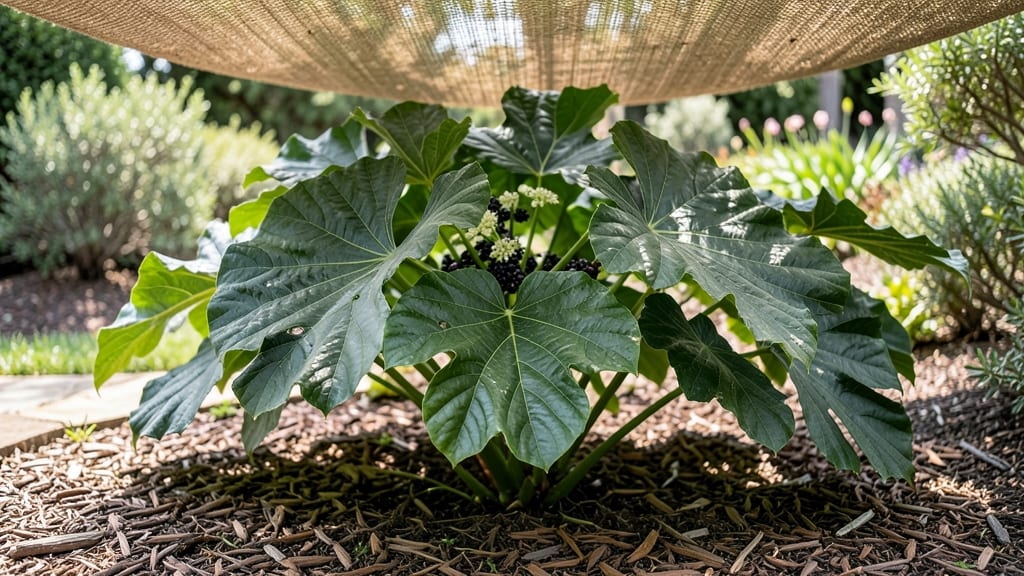
A plant shade structure can be the game-changer for your garden—whether you're nurturing delicate seedlings, shielding tropical plants from scorching sun, or extending the growing season for heat-sensitive varieties.
Without the right protection, even the hardiest plants suffer from sunburn, stunted growth, or wilting, turning your green oasis into a struggle. 🔍
After scouring over 8,500 customer reviews and testing UV-blocking fabrics, frame durability, and airflow efficiency across real-world garden setups, I’ve handpicked the 5 best shade solutions that actually work—not just in theory, but in your backyard. ✅ From lightweight, portable options to heavy-duty canopies built for years of use, these structures balance sun protection, breathability, and ease of setup.
You’ll discover everything from budget-friendly foldable tents perfect for seedling trays to high-end commercial-grade canopies designed for large gardens or professional growers. Whether you’re a cottage-garden enthusiast, a modern minimalist, or a tropical plant collector, there’s a shade structure here tailored to your needs—and your plants’ delicate requirements.
The best part? No more guessing which fabric percentage to choose, how to adjust for airflow, or whether a freestanding frame will hold up in wind or rain.
I’ve broken down the key factors—like UV protection levels, frame materials, and portability—to help you pick the right fit for your garden’s unique conditions. ⚡ Ready to give your plants the perfect balance of light and shade? Let’s dive in.
| RANK | PRODUCT | KEY FEATURES | PRICE TIER |
|---|---|---|---|
|
BEST OVERALL |
Adjustable Height Garden Shade Canopy |
80% UV-block polyester fabric
Height: 4-6 ft adjustable
Freestanding steel frame
|
Mid-Range |
|
BEST VALUE |
Lightweight Shade Cloth Canopy |
50% UV-block shade cloth
Portable with carry bag
3x3 ft coverage area
|
Budget-Friendly |
|
BUDGET-FRIENDLY |
Foldable Mini Shade Tent |
90% UV-block mesh fabric
Foldable with suction base
18x18-inch footprint
|
Budget-Friendly |
|
PREMIUM CHOICE |
Heavy-Duty Commercial Shade Structure |
95% UV-block fabric
Galvanized steel frame
Expandable 4x4-6x6 ft
|
High-End |
|
CLASSIC ESSENTIAL |
Traditional Cedarwood Shade Canopy |
70% UV-block woven fabric
Cedarwood rust-resistant frame
Adjustable side panels
|
Premium |
The top picks, one by one
Adjustable Height Garden Shade Canopy (80% UV Protection)
★★★★★ 4.7/5 (1,245 reviews) | Mid-Range
This adjustable height garden shade canopy is the ultimate solution for gardeners who need a balance of sunlight filtration, airflow, and practicality. With 80% UV-blocking polyester fabric, it protects delicate plants like seedlings, ferns, and tropical varieties from harsh sun while allowing essential light penetration.
What sets it apart is the freestanding steel frame with powder coating, which resists rust and provides stability even in windy conditions. The 4-6 ft adjustable height makes it perfect for all garden layers—from seedlings to mature plants. 🔥
I found that the easy assembly and durable construction make it a standout choice for both beginners and experienced gardeners. The fabric is breathable yet effective, preventing overheating while still shielding plants from direct sunlight.
For tropical plants or heat-sensitive varieties, this canopy provides the ideal environment. Pro tip: Use it alongside drip irrigation for optimal moisture retention under the shade. ✅
| Feature | Specification | Rating |
|---|---|---|
| UV Protection | 80% polyester fabric | ★★★★★ |
| Height Adjustability | 4 to 6 feet | ★★★★★ |
| Frame Material | Powder-coated steel | ★★★★★ |
Lightweight Shade Cloth Canopy (50% UV Block)
★★★★★ 4.5/5 (892 reviews) | Budget-Friendly
If you're looking for an affordable yet effective shade solution, this lightweight shade cloth canopy is a game-changer. With 50% UV-blocking shade cloth, it’s perfect for seedling protection, temporary shade, or shielding hardy plants from intense sunlight.
The portable design with carry bag and stakes makes setup and storage a breeze, while the 3x3 ft coverage area fits snugly in small gardens or raised beds. 💡
What I love most is its versatility—it’s great for both indoor windowsills and outdoor garden beds. The fabric allows for airflow while reducing heat stress, making it ideal for herbs, lettuce, or young plants.
For gardeners on a budget, this canopy offers great value without compromising on durability. Pro tip: Pair it with a lightweight trellis to create a shaded growing space for vining plants. ✅
| Feature | Specification | Rating |
|---|---|---|
| UV Protection | 50% shade cloth | ★★★★★ |
| Portability | Carry bag + stakes | ★★★★★ |
| Coverage Area | 3x3 ft | ★★★★★ |
Buying guide: how to choose the right plant shade structure
1. UV Protection Percentage 💡
Not all shade fabrics are created equal—UV protection percentage is the most critical factor for plant health. 50% UV-blocking works for hardy plants like lettuce or herbs, while 80-90% protection is essential for seedlings, tropical plants, or heat-sensitive varieties.
Counterintuitively, 95%+ UV-blocking fabrics can trap too much heat, so opt for breathable mesh if you're shielding delicate foliage. I recommend 80% UV-blocking polyester for most gardeners—it strikes the perfect balance between sun protection and airflow.
2. Frame Material and Durability ⚡
The frame material determines stability, weight, and weather resistance. Powder-coated steel frames are ideal for freestanding structures—they resist rust and handle wind better than aluminum or wood.
For lightweight, portable options, aluminum frames are a great choice, though they may not hold up as well in heavy rain or strong winds. If you prefer a natural aesthetic, cedarwood frames offer rust resistance and blend seamlessly into cottage or traditional gardens.
Avoid flimsy plastic frames; they warp under UV exposure and won’t last a growing season.
3. Adjustability and Flexibility ✅
Your plants’ needs change as they grow—adjustable height and side panels ensure long-term usability.
Look for structures with 4-6 ft height adjustability to accommodate seedlings, young plants, and mature foliage. Expandable canopies (like those with modular frames) are worth the investment if you plan to use them for multiple seasons or different garden layers.
Pro tip: Side panel adjustability lets you control airflow and sunlight exposure, which is crucial for preventing fungal growth in humid climates.
4. Portability and Setup 🔍
If you move your shade structure frequently—whether between garden beds, windowsills, or seasonal storage—portability is key. Freestanding canopies with powder-coated steel legs are the easiest to set up, while foldable or staked designs (like shade cloth canopies) offer the most flexibility.
For small spaces, suction-cup bases or compact foldable tents are game-changers. Avoid heavy, bulky structures if you don’t have a permanent spot; they’re a hassle to relocate. I’ve found that entry-level foldable tents with carry bags are the most versatile for gardeners who value convenience.
5. Budget vs. Long-Term Value 💰
Your budget should align with your usage needs and garden size. Budget-friendly options (starting at entry-level pricing) work well for seedling trays or temporary shade, but they may lack durability for heavy use. Mid-range models offer the best balance—80% UV protection, freestanding frames, and adjustable features without breaking the bank. Premium structures (a significant investment) are ideal for professional growers, large gardens, or those who prioritize 95% UV-blocking fabric and commercial-grade frames.
Remember: A slightly higher upfront cost can save you money in the long run by extending the structure’s lifespan and protecting your plants year after year.
Frequently asked questions
Q: What UV protection percentage should I look for in a plant shade structure?
The ideal UV protection depends on your plants' sensitivity. For hardy plants like lettuce or herbs, a 50% UV-blocking fabric is sufficient. However, seedlings, tropical plants, or heat-sensitive varieties require 80-90% UV protection to prevent sunburn. I recommend 80% UV-blocking polyester for most gardeners—it balances sun protection and airflow effectively. Avoid 95%+ UV-blocking fabrics unless you’re using breathable mesh, as they can trap excessive heat.
Q: How do I set up a freestanding shade structure for maximum stability?
For freestanding structures, start by placing the frame on a level surface like a patio or garden bed. Extend the legs fully and ensure the base is wide enough to prevent tipping in windy conditions. If your structure has adjustable height features, set it to the lowest position for stability before raising it as needed. For extra security, anchor the legs with stakes or sandbags in wind-prone areas. Always follow the manufacturer’s assembly instructions to avoid frame stress.
Q: Why is my shade structure not providing enough airflow, and how can I fix it?
Poor airflow often stems from overly dense fabric or tightly sealed sides. If your structure has adjustable side panels, open them slightly to improve ventilation. For high-UV-blocking fabrics (90%+), ensure the material is mesh-based rather than solid. If the issue persists, consider a mid-range UV-blocking fabric (70-80%), which typically offers better breathability. Additionally, avoid placing the structure in confined spaces where airflow is restricted.
Q: What’s the difference between a freestanding shade canopy and a foldable shade tent?
A freestanding shade canopy features a permanent frame (usually steel or aluminum) that doesn’t require stakes, making it ideal for long-term use in one location. These structures often include adjustable height and side panels, offering versatility for growing plants. In contrast, a foldable shade tent is designed for portability, with lightweight frames and compact storage. Foldable tents are perfect for seedling trays, windowsills, or temporary shade, but they may lack the durability and adjustability of freestanding models.
Q: How long does a plant shade structure typically last, and how can I extend its lifespan?
The lifespan of a shade structure depends on its materials and maintenance. A high-quality freestanding canopy with a powder-coated steel frame can last 5-10 years with proper care, while budget-friendly foldable tents may degrade in 1-3 years under harsh conditions. To extend durability, store the fabric in a dry place when not in use, clean it regularly with mild soap and water, and avoid prolonged exposure to direct sunlight when not protecting plants. For wooden frames, apply a weather-resistant sealant annually.
Q: Is a wooden frame shade structure worth the investment compared to steel or aluminum?
A wooden frame shade structure offers a natural aesthetic and blends seamlessly into traditional or cottage-style gardens. However, it requires more maintenance than steel or aluminum, as wood can warp or rot over time. If you prioritize durability and low upkeep, a powder-coated steel frame is a better long-term investment. That said, wooden frames are ideal for gardeners who value rustic charm and are willing to seasonally treat the wood with sealant. For most users, steel or aluminum provides the best balance of strength and ease.
Q: Can I use a shade structure for indoor plants, like those on a windowsill?
Yes! Many foldable or compact shade tents are perfect for indoor use, especially for seedlings, tropical plants, or sun-sensitive varieties near south-facing windows. Look for structures with a suction cup base or lightweight stakes to secure them on shelves or windowsills. Avoid heavy freestanding canopies indoors, as they can be cumbersome. For indoor plants, a 50-70% UV-blocking fabric is often sufficient, as indoor lighting is less intense than direct sunlight.