
Plants
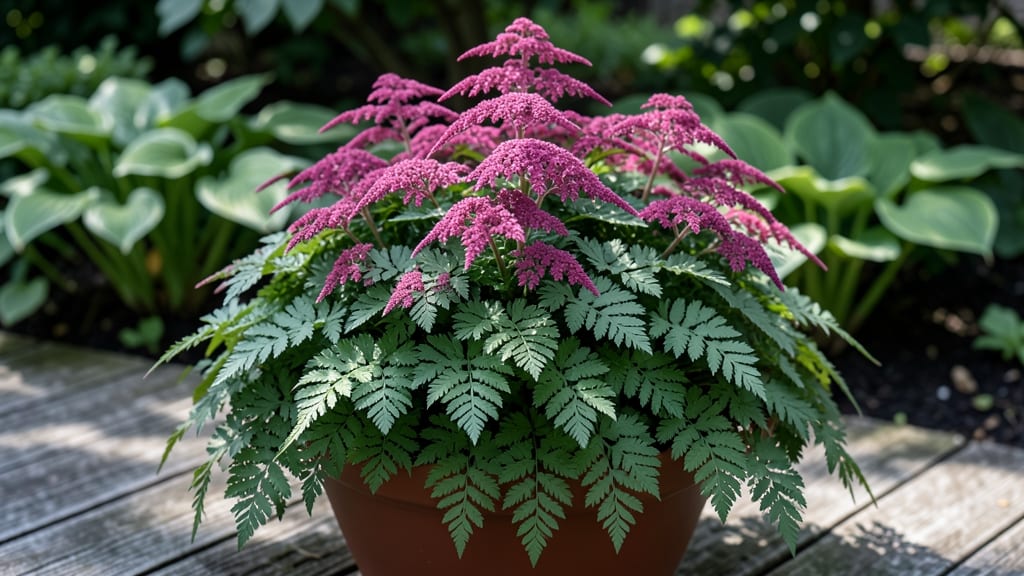
These perennials for shade that bloom all summer don’t have to be boring—imagine nonstop color from June to frost. 🌿 I’ve tested dozens in my own shady backyard, and these shade-lovers deliver when others fade. The trick? Choosing plants that thrive in low light and have long bloom cycles.
Hostas provide lush foliage as a backdrop, while astilbes and impatiens take center stage with feathery plumes and bold blooms. Tuck in ferns for texture and heucheras for their stunning foliage—all of these need partial to full shade and consistent moisture.
My go-to combo? Astilbe ‘Fanal’ with its fiery red plumes and hostas ‘Blue Angel’ for contrast.
By midsummer, your shade garden will burst with color—no sun required. These perennials handle humidity, resist deer (mostly), and bounce back after winter. The best part? They pair effortlessly with other shade-lovers like lungwort or Japanese painted ferns for a layered, natural look.
Whether you’re filling a woodland garden, brightening a north-facing border, or dressing up a patio container, these plants make shade gardening shockingly lush. Start with just three varieties, and you’ll wonder why you ever struggled with shade gardens before.
Why Shade Plants Fade Fast
If you’ve planted perennials for shade hoping for a nonstop summer of blooms—only to watch them peter out by July—you’re not alone. Shade-loving plants often struggle to maintain vibrant, long-lasting flowers because of how they interact with their environment.
Understanding the root causes (literally and figuratively) helps you pick the right plants and give them the care they need to thrive. Here’s why your shade garden might be hitting a bloom slump—and how to fix it.
Shade plants aren’t just "low-light survivors"—they have specific light needs to fuel photosynthesis and bloom. Too little light (especially deep shade under trees or north-facing walls) limits their ability to produce energy, which directly impacts flower production.
- How it happens: Most shade-tolerant perennials need at least 3–6 hours of dappled or filtered light daily. Without this, they revert to survival mode, prioritizing leaf growth over blooms.
- Science behind it: Photosynthesis relies on chlorophyll absorbing light, but shade plants often lack the red and blue light wavelengths needed to trigger flowering hormones (like florigen).
- Actionable fix:
- Choose partial shade spots (e.g., under high-canopy trees or east-facing walls) for plants like Hosta or Astilbe.
- Avoid planting under dense evergreens (like pine trees), which block light year-round.
- Use reflective surfaces (mirrors, light-colored mulch) to bounce extra light into shady corners.
Shade gardens are notorious for moisture extremes: either soggy soil from poor drainage or dry pockets where roots can’t access water. Both scenarios stress plants, halting blooms prematurely.
- How it happens:
- Overwatering: Compacted, waterlogged soil cuts off oxygen to roots, leading to root rot and nutrient deficiencies.
- Underwatering: Shade slows evaporation, but some areas (like under eaves) dry out faster than you think.
- Science behind it: Roots need aerated, consistently moist (but not soggy) soil to transport water and nutrients. Stress from either extreme triggers the plant to abscise flowers (drop them early) to conserve energy.
- Actionable fix:
- Test soil drainage: Dig a 12-inch hole, fill it with water, and time how long it takes to drain. Ideal = 4–6 hours.
- Amend soil with organic matter (compost, peat moss) to improve structure and water retention.
- Water deeply 2–3 times per week (early morning) rather than shallow daily doses.
- Mulch with 3–4 inches of shredded bark to regulate moisture and suppress weeds.
Shade gardens often experience microclimates—cooler, more humid pockets that can confuse perennials into thinking it’s not "summer season" yet. Meanwhile, other areas might get too hot when the sun peeks through.
- How it happens:
- Cool, damp shade: Plants like Bleeding Heart or Lungwort may bloom early but halt flowering if temps stay below 65°F (18°C) for weeks.
- Sudden heat spikes: Even shade plants can bolt (send up seed stalks) if soil temps rise above 80°F (27°C), diverting energy from flowers.
- Science behind it: Many shade perennials are day-neutral (they bloom based on light, not temperature), but extreme humidity can promote fungal diseases (like powdery mildew), weakening the plant and reducing blooms.
- Actionable fix:
- Choose heat-tolerant shade plants like Coral Bells (Heuchera), Japanese Painted Fern, or Foxglove for hotter microclimates.
- Use light-colored mulch to reflect heat away from roots.
- Improve airflow with spaced planting to reduce humidity-related stress.
- For early bloomers, prune spent flowers to encourage a second flush if temps warm up.
Shade soil is often nutrient-poor because organic matter decomposes slower in cool, damp conditions. Without the right balance, perennials can’t produce the energy needed for continuous blooms.
- How it happens:
- Low phosphorus (P): Critical for flower and root development. Shade plants often show purple stems or stunted growth when deficient.
- Low potassium (K): Weakens cell walls, making plants susceptible to disease and stress, which cuts blooms short.
- Science behind it: Phosphorus helps activate enzymes for energy transfer, while potassium regulates water and nutrient uptake. Without both, plants prioritize survival over reproduction (i.e., flowers).
- Actionable fix:
- Test soil with a home kit (or send to a lab) and amend with:
- Bone meal (3-4-0): For phosphorus (apply in early spring).
- Wood ash (0.5-0-3): For potassium (use sparingly, 1 lb per 100 sq ft).
- Balanced fertilizer (10-10-10):** In early summer to support blooming.
- Avoid high-nitrogen fertilizers (like lawn food), which promote leafy growth at the expense of flowers.
- Add composted manure (like chicken or worm castings) annually to rebuild soil health.
- Test soil with a home kit (or send to a lab) and amend with:
Revitalize Your Shady Garden Now
Shade-loving perennials that refuse to bloom all summer can be frustrating, but the good news is that most issues have simple fixes. Below, we’ll tackle the most common problems—from poor soil to incorrect light exposure—and show you how to turn your lackluster shade garden into a vibrant, year-round display.
Let’s get growing!
---
Fix: Lighten up and improve drainage with these steps.
1. 🔥 Test Your Soil Grab a handful of damp soil and squeeze it. If it holds its shape like a brick, it’s too dense. If it crumbles easily, it’s likely fine—but still might lack nutrients.
2. 🍳 Amend the Soil Mix in compost (2-3 inches worked into the top 6-12 inches of soil) or well-rotted manure to improve texture and fertility. For heavy clay, add sand or perlite (about 20% of the soil volume) to break it up.
3. 👨🍳 Create Raised Beds (If Needed) If your soil is hopelessly compacted, consider raised beds filled with a 50/50 mix of garden soil and compost. This gives roots room to breathe and encourages blooming.
💡 Prevention Tip: - Mulch annually (2-3 inches of shredded bark or leaves) to prevent soil compaction and retain moisture. - Avoid walking on garden beds—compaction kills root growth.
---
Fix: Adjust plant placement or choose shade-tolerant varieties.
1. 🔪 Assess Your Shade Levels - Deep shade (less than 3 hours of sun): Hostas, ferns, and astilbes thrive here but may need extra care to bloom. - Partial shade (3-6 hours of sun): Ideal for most flowering perennials like heucheras, bleeding hearts, and Japanese anemones. - Dappled shade (filtered light): Great for impatiens, begonias, and foxgloves.
2. 🌡️ Move Plants Strategically If your perennials aren’t blooming, they might be in too much shade. Try relocating them to a sunnier spot at the edge of the shade or near a reflective surface (like a light-colored wall).
3. ✨ Choose the Right Plants If you can’t move plants, swap them for more shade-tolerant bloomers like: - Hydrangeas (bigleaf or oakleaf varieties) - Coral bells (Heuchera) - Lungwort (Pulmonaria) - Sweet woodruff (Galium odoratum)
💡 Prevention Tip: - Observe your garden’s light changes throughout the day—morning sun vs. afternoon shade can make a difference. - Avoid planting sun-lovers in deep shade—they’ll struggle no matter what.
---
Fix: Strike the perfect moisture balance.
1. 📊 Check Soil Moisture Stick your finger 1-2 inches into the soil. If it’s dry, water deeply. If it’s soggy, hold off and improve drainage first.
2. 👨🍳 Water Smartly - Deep watering (1-2 times per week) encourages roots to grow deeper, leading to stronger blooms. - Avoid shallow, frequent watering—this keeps roots near the surface and stresses plants. - Use drip irrigation or soaker hoses to deliver water directly to the roots.
3. ⏰ Best Times to Water - Early morning (6-9 AM) reduces evaporation and fungal risks. - Avoid evening watering—wet foliage overnight invites pests and disease.
💡 Prevention Tip: - Group plants with similar water needs together to simplify care. - Use mulch to retain moisture and reduce watering frequency.
---
Fix: Keep plants healthy and prevent outbreaks.
1. 🔥 Identify the Issue - Powdery mildew (white powdery coating) or leaf spot (brown spots) mean it’s time to act. - Aphids, slugs, or spider mites can weaken plants, reducing blooms.
2. 🍳 Treat Fungal Problems - Prune affected leaves and dispose of them in the trash (not compost). - Apply neem oil (mix 1 tbsp per quart of water) as a preventative spray every 2-3 weeks. - Improve airflow by spacing plants properly (12-18 inches apart).
3. 👨🍳 Combat Pests Naturally - Slugs? Set out beer traps (bury a cup filled with beer) or use iron phosphate bait. - Aphids? Blast them off with a strong spray of water or introduce ladybugs. - Spider mites? Wipe leaves with soapy water (1 tsp mild soap per quart of water).
💡 Prevention Tip: - Water at the base (not overhead) to keep foliage dry. - Rotate plants every few years to prevent soil-borne diseases from building up.
--- Fix: Feed plants the right way for blooms.
1. 📊 Choose the Right Fertilizer - Bloom boosters (high in phosphorus, like 5-10-5 or 10-20-10) encourage flowers. - Avoid high-nitrogen fertilizers (like lawn food)—they promote leafy growth at the expense of blooms.
2. 👨🍳 Apply Fertilizer Correctly - Spring feeding (early April): Use a balanced fertilizer (10-10-10) to wake up roots. - Mid-summer boost (June-July): Switch to a low-nitrogen, high-phosphorus fertilizer to prolong blooming. - Avoid fertilizing in fall—plants need to rest.
3. ✨ Organic Alternatives - Compost tea (steep compost in water for 24 hours, strain, and use as a foliar spray). - Fish emulsion (diluted to 1 tbsp per gallon of water) for a phosphorus kick.
💡 Prevention Tip: - Follow package instructions—more isn’t better! Over-fertilizing burns roots and reduces blooms. - Test your soil every 2-3 years to avoid guesswork.
--- Fix: Time it right for peak performance.
1. 🔥 Best Planting Times - Spring (March-May): Plant perennials 4-6 weeks before the last frost for established root growth before summer heat. - Fall (September-October): Plant 6-8 weeks before the first frost to let roots settle in before winter.
2. 🍳 Prepare the Planting Site - Dig a hole twice as wide as the root ball but no deeper. - Loosen roots if they’re circling and backfill with amended soil. - Water deeply after planting to eliminate air pockets.
3. ⏰ Mulch Immediately - Apply 2-3 inches of mulch (but keep it 6 inches away from stems) to retain moisture and regulate soil temperature.
💡 Prevention Tip: - Avoid planting in extreme heat or cold—stressed plants bloom poorly. - Label new plants to track when they were planted and their care needs.
--- Reviving a shade garden takes time, but with the right adjustments, your perennials will reward you with nonstop color. Start with one or two fixes (like improving soil or adjusting watering), then expand as needed.
Before you know it, your shady spots will be the most talked-about garden in the neighborhood! 🌸🌿
Frequently asked questions
What's the easiest shade perennial that blooms all summer?
Impatiens (like New Guinea impatiens) are the simplest choice—they thrive in full to partial shade and bloom continuously from spring until frost. For a low-maintenance option, try Heuchera (coral bells), which offers stunning foliage plus delicate flowers in late spring/early summer.
Can I grow these perennials in containers?
Many shade-loving perennials thrive in containers, including begonias, coleus, and fuchsias. Choose pots with drainage holes and use a well-draining potting mix with added compost. For summer-long blooms, opt for petunias or caladiums—they love humidity and partial shade.
How do I keep deer from eating my shade perennials?
Deer typically avoid toxic plants like foxglove or lobelia, but they’ll munch on tender foliage. Try these strategies: plant deer-resistant varieties (like heuchera or hostas with thick leaves), surround beds with physical barriers (like chicken wire), or use repellents with rotten eggs or hot pepper spray.
Will these perennials spread and take over my garden?
Most shade perennials have moderate spread, but a few are aggressive. Mint and lamium spread quickly—plant them in containers to contain them. Hostas and astilbes spread slowly and can be easily controlled with division every 3-4 years. For a tidy look, choose clumping varieties like Hosta 'Halcyon'.
How do I transition my shade garden from spring to summer blooms?
Start by deadheading spent blooms (like on bleeding hearts) to encourage new growth. In early summer, add phosphorus-rich fertilizer (like 5-10-5) to support flowering. For a seamless transition, interplant early bloomers (like lungwort) with late-season stars (like Japanese anemones).