
Companion Plants
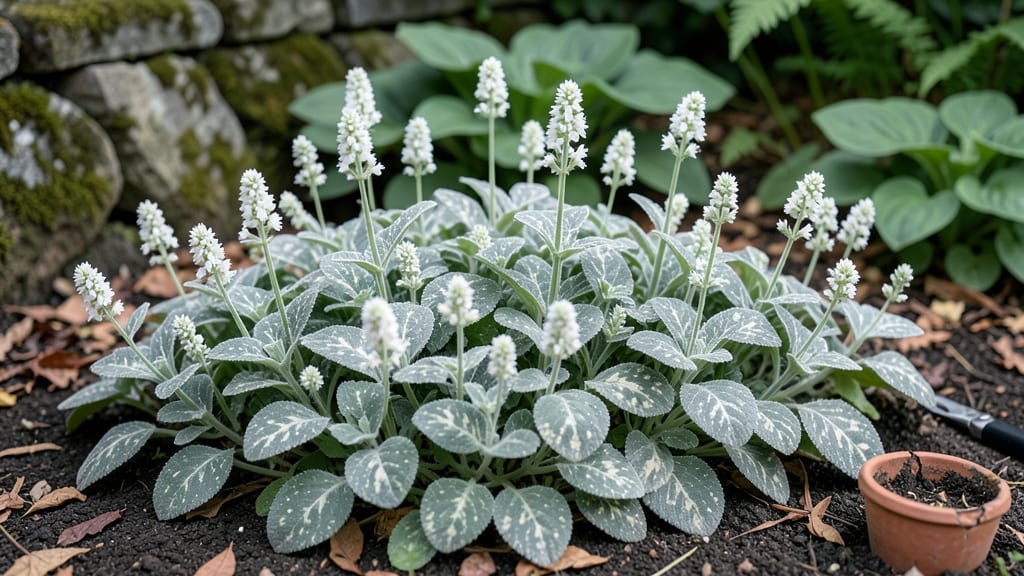
Shade gardens don’t have to be dull—perennial ground cover plants turn them into lush, low-maintenance carpets that thrive where sun-loving plants fail. 🌿 I’ve spent years testing shade-tolerant varieties, and these are the ones that actually deliver: heuchera with its jewel-toned leaves, ajuga with its purple spikes, and lamium that spreads like a velvety green blanket.
The best part? They stay green year-round, even when other plants fade. These plants work their magic in spots where grass won’t grow—under trees, along north-facing borders, or in woodland gardens. They suppress weeds naturally, reduce erosion, and create textured layers that make shade areas feel intentional, not forgotten.
Most spread 3-6 feet over time, so you’ll get full coverage without constant replanting. Picture a garden where every inch of shade is productive, not problematic. Heuchera’s deep burgundy leaves contrast perfectly with ajuga’s blue-green foliage, while lamium’s trailing habit softens edges.
Combine them with ferns or hostas for a layered look that feels wild but is actually low-effort. The secret to success? Plant in spring or fall when soil is workable, space them 12-18 inches apart, and mulch lightly to retain moisture.
No fuss, just year-round beauty that outshines sun-starved alternatives. Ready to transform your shady spots?
📚 In This Guide
- What you need
- Instructions
- Tips and common mistakes
- Wrapping up and next steps
What you need
- ● Perennial Ground Cover Plants (Shade-Tolerant Varieties): 10–20 plants of Ajuga reptans (Bugleweed) – 1–2 ft spacing
- ● 10–15 plants of Hosta (e.g., 'Blue Angel' or 'Francee') – 1.5–2 ft spacing
- ● 5–10 plants of Lamium maculatum (Spotted Dead Nettle) – 12–18 in spacing
- ● 5–8 plants of Heuchera (Coral Bells) – 12–18 in spacing
- ● 10–15 plants of Pachysandra terminalis (Japanese Spurge) – 12–18 in spacing
- ● Soil Amendments: 5–10 lbs of organic compost (e.g., aged manure or leaf mold)
- ● 2–3 lbs of slow-release fertilizer (10-10-10 or similar, for shade plants)
- ○ Optional: 1–2 lbs of peat moss or coconut coir (for moisture retention in heavy clay)
- ● Tools: 1 garden trowel (for planting small roots)
- ● 1 garden fork or spade (for amending soil)
- ● 1 pruners or shears (for trimming established plants)
- ● 1 watering can or hose with a gentle spray nozzle
- ○ Optional: Mulch (2–3 inches of shredded bark or wood chips, 10 sq ft coverage)
- ● Prerequisites: A shady area with <4–6 hours of direct sunlight daily (dappled light is ideal!)
- ● Well-draining soil (amend if compacted or clay-heavy)
- ● Access to water (ground covers need consistent moisture in early stages)
- ○ Optional: A soil pH test kit (most shade-loving plants prefer 6.0–7.0)
Step-by-step guide to planting perennial ground covers in shade
Turn shady spots into lush, low-maintenance gardens with these hardy perennials that thrive without sun.
🌱 Step 1: Prepare the Soil for Optimal Drainage and Fertility
Test your soil’s moisture retention and pH—shade-loving ground covers prefer slightly acidic to neutral (6.0-7.0) soil that drains well but stays moist. Amend heavy clay with 2-3 inches of compost mixed into the top 12 inches of soil to improve aeration. For sandy soil, blend in 20% peat moss to retain moisture.
Work in a 2-3 inch layer of organic mulch (like shredded bark or leaf mold) after planting to suppress weeds and maintain even soil moisture. This is especially critical in shade, where organic matter breaks down faster. I like to till in a slow-release fertilizer at this stage—10-10-10 at ½ pound per 100 square feet—to give roots a nutrient boost without burning tender foliage.
🌿 Step 2: Choose and Plant the Right Species for Your Shade Conditions
Select plants based on your shade intensity: dappled shade (2-4 hours of sun) suits heuchera (coral bells) or ajuga (bugleweed), while deep shade (less than 2 hours) thrives with hostas or foamflower (tiarella). Space plants 12-24 inches apart depending on mature size—check labels, as some like lamium (dead nettle) spread aggressively.
Dig holes twice as wide as the root ball but only as deep—planting too deep suffocates roots. Gently tease apart roots if pot-bound, then backfill with native soil mixed with compost. Water deeply to eliminate air pockets, and avoid compacting the soil around the base. I tap the soil lightly with my gloved hand to settle it without crushing roots.
💧 Step 3: Water and Mulch for Consistent Moisture
Water immediately after planting to settle the soil, then maintain 1 inch of water weekly (more during dry spells). Shade-loving plants rely on consistent moisture, so I use drip irrigation or soaker hoses to deliver water at the soil level—this prevents fungal diseases that thrive in damp foliage. Avoid overhead watering, which can leave leaves wet for extended periods.
Reapply 2-3 inches of mulch after watering to lock in moisture and regulate soil temperature. I use shredded hardwood mulch because it breaks down slowly and won’t compact like straw. Keep mulch 2-3 inches away from plant stems to prevent rot. Within 4-6 weeks, you’ll see new growth signaling the plants have established roots.
✂️ Step 4: Prune and Maintain for Year-Round Lushness
Cut back dead or yellowed foliage in early spring before new growth appears, using clean, sharp shears. For plants like lamium or ajuga, I trim ⅓ of the oldest growth annually to encourage fresh, vibrant shoots. This also prevents overcrowding and improves airflow, reducing the risk of fungal issues.
Fertilize lightly in early spring with a balanced, slow-release fertilizer (like 5-5-5) at ½ the recommended rate. Shade plants are sensitive to over-fertilization, which can lead to weak, leggy growth. I monitor leaves for signs of nutrient deficiency—yellowing between veins signals iron deficiency, while purplish stems often mean phosphorus is needed. Adjust accordingly with targeted amendments.
☀️ Step 5: Adjust Care for Seasonal Changes
In fall, reduce watering slightly but keep soil moist—1 inch every 10-14 days—unless your area experiences a dry spell. Mulch heavily (3-4 inches) to insulate roots during winter. For tender perennials like heuchera, I add an extra layer of straw mulch in colder climates to protect crowns from freezing.
Spring is the time to divide overcrowded plants like hostas or ajuga every 3-4 years. Dig up clumps, separate into 3-inch sections with roots and shoots, and replant immediately. This rejuvenates growth and prevents the center from dying out. Watch for new shoots emerging from the soil in late winter—this is your cue to prepare for spring maintenance.
Tips & tricks for perfect perennial ground cover planting in shade
These subtle adjustments will transform your shady garden into a thriving, low-maintenance landscape—without the guesswork.
Soil Prep Precision: When amending heavy clay with 2-3 inches of compost, don't just mix it in superficially. Use a broadfork to loosen the top 12 inches first, then incorporate the compost thoroughly. I've seen plants struggle because the soil wasn't properly aerated below the surface—this step makes all the difference for root development in shade. The 20% peat moss addition for sandy soil should be mixed in layers rather than all at once to prevent compaction.
Plant Selection Strategy: For deep shade (less than 2 hours of sun), I recommend starting with hostas or foamflower (tiarella) because they're the most forgiving. These plants have evolved to thrive in low light, but even they can struggle if planted too deep. Remember, the hole should only be as deep as the root ball—any deeper and you'll suffocate those critical roots. I always check the root flare (where roots meet stem) to ensure it sits just above soil level.
Watering Wisdom: The 1 inch of water weekly guideline works perfectly for established plants, but newly planted ground covers need more immediate attention. Water deeply every other day for the first 2 weeks to encourage root establishment. I've found that using drip irrigation set on a timer for 15 minutes twice daily during the first month creates ideal moisture conditions without the risk of fungal diseases from overhead watering. This mimics natural rainfall patterns and prevents soil from drying out too quickly.
Seasonal Maintenance: In fall, when reducing watering to 1 inch every 10-14 days, don't forget to adjust your mulch depth. Increase it to 3-4 inches to provide that extra insulation for winter. For heuchera specifically, I've had success adding a layer of straw mulch on top of the shredded hardwood—this creates a dual-layer insulation that protects against freezing temperatures while still allowing moisture to penetrate. The key is to apply this after the ground has frozen slightly to prevent rot.
Pro Tips for Perennial Ground Cover Plants Shade
- These subtle adjustments will transform your shady garden into a thriving, low-maintenance landscape—without the guesswork.
- Soil Prep Precision: When amending heavy clay with 2-3 inches of compost, don't just mix it in superficially.
- Plant Selection Strategy: For deep shade (less than 2 hours of sun), I recommend starting with hostas or foamflower (tiarella) because they're the most forgiving.
Frequently asked questions
Got questions about perennial ground cover for shady spots? You’re not alone!
Here are answers to the most common concerns—so you can confidently transform your low-light garden into a thriving, low-maintenance paradise.
What’s the easiest perennial ground cover for deep shade?
For truly dark corners (less than 3 hours of sunlight), opt for Hellebores (Lenten Rose) or Sweet Woodruff. Both thrive with minimal care, spread gradually, and handle moisture well. Pachysandra (Allegheny Spurge) is another top pick—it’s tough, deer-resistant, and stays lush year-round.
How long does it take for shade-loving ground cover to fill in?
Most perennials take 1–2 seasons to fully establish and fill gaps. Fastest spreaders like Liriope (Monkey Grass) or Creeping Phlox may cover 6–12 inches per year, while slower growers (e.g., Ajuga) take longer but offer vibrant foliage and flowers. Pro tip: Start with smaller plants spaced 12–18 inches apart for quicker coverage!
Do shade ground covers need extra watering?
Not usually! Many shade-tolerant perennials (like Hostas or Fern allies) have deep roots and thrive on natural rainfall. However, newly planted covers may need weekly watering until established (about 1–2 inches per week). Mulch (2–3 inches of shredded bark) helps retain moisture and suppress weeds—just avoid piling it against stems.
What’s the best way to prevent pests or diseases in shady ground covers?
Shade reduces pest pressure, but slugs and fungal issues (like powdery mildew) can still strike. Prevent slugs with copper tape or diatomaceous earth; improve airflow by spacing plants properly. For diseases, avoid overhead watering and remove diseased leaves promptly. Hostas are prone to slugs—consider alternatives like Heuchera (Coral Bells) for lower maintenance.
Can I mix shade ground covers with other plants?
Absolutely!
Pair perennials with ferns, astilbes, or shade-loving bulbs (like Snowdrops) for texture and color. Just ensure all plants share similar water and light needs. For example, Ajuga (great for edges) complements Hosta (mid-ground), while Liriope works well as a border. Design tip: Use taller plants at the back and lower spreaders in front for a layered look!
| Quick Fixes for Common Issues |
|---|
| Yellowing leaves? Could be overwatering or nutrient deficiency. Test soil pH (ideal: 6.0–7.0 for most shade plants) and amend with compost if needed. |
| Slow growth? Check for compacted soil—loosen roots gently or top-dress with organic matter. Some perennials (like Sweet Woodruff) grow slowly by nature! |
| Weedy gaps? Hand-pull weeds early or smother them with cardboard + mulch before planting. Vinca (Periwinkle) is a fast-growing alternative to fill bare spots. |
Wrapping up and next steps
Transforming your shady garden into a vibrant, low-maintenance oasis is totally within reach! With the right perennial ground cover plants for shade, you’ll enjoy year-round beauty while saving time on upkeep.
Whether you’re tackling a sprawling yard or a cozy corner, these hardy plants bring color, texture, and life—no sun required. 🌿
Ready to take the next step? Start by sketching your garden layout, testing soil conditions, and picking 2-3 plants that suit your space. Then, roll up your sleeves and plant with confidence—your future lush, serene garden is waiting! Happy gardening! 🌱