
Light Requirements
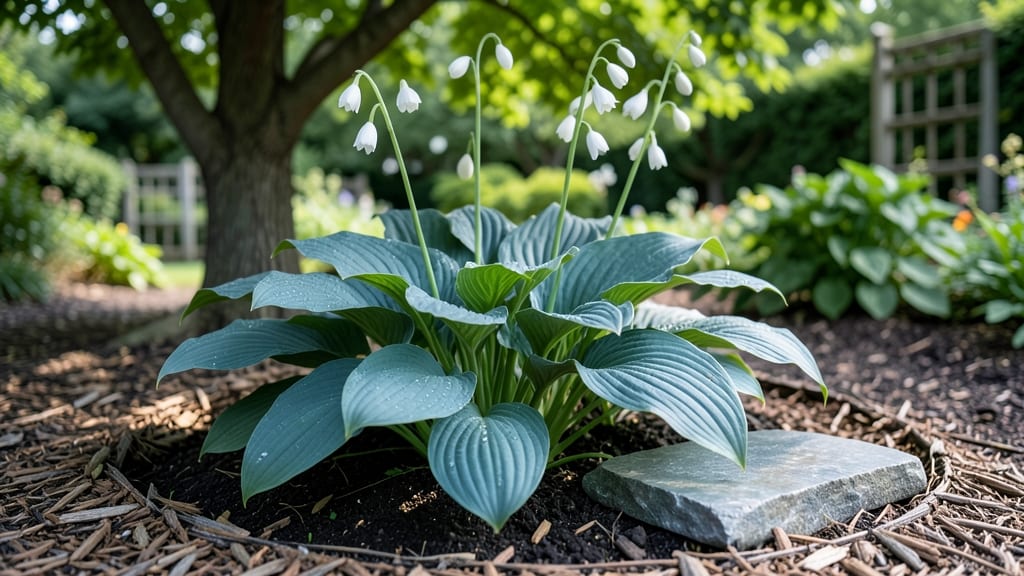
Dark corners don’t have to be dead zones—just wait until you see what shade-tolerant perennials can do. 🌿 These foliage powerhouses deliver year-round interest, from the bold chartreuse of hostas to the delicate lace of astilbes, all while thriving where sunlight struggles.
I’ve tested these plants in my own shady garden beds, and they’ve proven themselves reliable for four+ seasons of lush, low-maintenance beauty.
The secret lies in matching plants to your shade level: deep shade (less than 3 hours of light) favors hellebores and ferns, while partial shade (3–6 hours) suits astilbes and coral bells. These perennials also handle moisture variations well, making them perfect for northern exposures or spots under trees.
Once established, they outcompete weeds and require minimal fuss—just occasional division every few years to keep them vigorous.
Imagine a garden bed where silver foliage glints in the dappled light, deep purple leaves contrast against mossy ground, and delicate blooms appear in late spring and summer. That’s the reality with the right shade mix: textural layers, seasonal color shifts, and a backdrop that makes brighter plants pop.
The best part? These combos work in borders, containers, or as standalone statement plants.
We’ll cover the top five foliage-focused perennials that deliver year-round structure, plus how to pair them with flowering companions for extra seasonal punch. Whether you’re filling a shady corner or refreshing an old garden design, this recipe transforms dull spots into lush, living art. Let’s get planting!
📚 In This Guide
- What you need
- Instructions
- Tips and common mistakes
- Wrapping up and next steps
What you need
- ● Shade-Tolerant Perennial Plants: 5–10 Hostas (e.g., 'Blue Angel' or 'Halcyon') – 1–2 per sq ft for dense coverage.
- ● 3–5 Hellebores (Lenten Rose) – 12–18" spacing for winter blooms.
- ● 4–6 Astilbes (e.g., 'Fanal') – 18–24" spacing for feathery foliage.
- ● 2–3 Ferns (e.g., Dryopteris or Matteuccia) – 18–30" spacing for texture.
- ● 1–2 Lungworts (Pulmonaria) – 12–18" spacing for early spring color.
- ● Soil Amendments: 5 lbs compost or well-rotted manure per 10 sq ft (improves drainage).
- ● 1–2 lbs organic mulch (e.g., shredded bark or leaves) per plant (retains moisture).
- ● Tools: 1 garden trowel (for transplanting).
- ● 1 pruners (sterilized for trimming).
- ● 1 garden hose or watering can (with a rose nozzle).
- ● 1 garden fork (for aerating soil).
- ● 1 measuring tape (to ensure proper spacing).
- ● Location: A partially to fully shaded area (dappled sunlight to <10% direct light).
- ● Soil: Well-draining, moist but not soggy (amend clay soil with sand or peat moss if needed).
- ● Timing: Plant in early spring or fall (avoid extreme heat or frost).
- ○ Optional Extras: Slow-release fertilizer (e.g., 10-10-10, 1 tbsp per plant at planting).
- ● Mulch volcano guards (to protect stems from moisture damage).
- ● pH test kit (ideal range: 5.5–7.0 for most shade perennials).
How to design a thriving shade garden with perennial powerhouses
Dark corners don't have to mean dull gardens—these shade-tolerant perennials deliver bold foliage and texture for years with minimal fuss.
🌱 Step 1: Choose the Right Perennial Combos for Your Shade Level
Start by assessing your shade: deep shade (less than 3 hours of sun) favors hellebores and ferns, while partial shade (3-6 hours of sun) thrives with hostas and astilbes. I like to group plants by their light needs—mixing deep-shade lovers with partial-shade plants creates visual drama while keeping care consistent.
For four-year performance, focus on these proven combos: Hellebores (Lenten Rose) with Japanese Painted Ferns for delicate texture, or Hostas with Astilbes for height contrast. The key is layering: place taller plants at the back and smaller ones in front. You'll see how this creates depth instantly.
🪴 Step 2: Prepare Soil for Moisture-Retentive Growth
Shade gardens need well-draining yet moisture-retentive soil—amend your existing soil with 2-3 inches of compost and 1 inch of perlite or coarse sand to prevent compaction. I test soil moisture by squeezing a handful: if it crumbles easily, it's ready; if it sticks together, add more organic matter.
For heavy clay soil, mix in 1 part peat moss to 3 parts garden soil to improve aeration. Avoid fresh mulch until after planting—it can draw moisture away from roots during establishment. Instead, use a 1-inch layer of shredded bark mulch after planting to suppress weeds and retain moisture.
☀️ Step 3: Plant with Strategic Spacing for Long-Term Impact
Give perennials 2-3 times their mature width in spacing—crowding leads to disease and weak growth. For example, a hosta that matures at 2 feet wide needs 4-6 feet between plants. I sketch a rough layout first, then adjust based on sunlight angles—plants at the north edge often need more space to avoid overshadowing.
Dig holes twice as wide as the root ball but only as deep as the container. Loosen roots gently if pot-bound, then backfill with native soil mixed with compost. Water deeply until soil settles—you'll see the hole shrink slightly, signaling proper saturation. This ensures roots establish quickly in the damp conditions they prefer.
💧 Step 4: Water Deeply and Mulch for Year-Round Moisture
Water 1-2 inches per week, more in extreme heat, focusing on the root zone. I use a soaker hose for even distribution—surface watering creates runoff and misses roots. Let the top 1-2 inches of soil dry between waterings to prevent fungal issues while keeping roots consistently moist.
Apply a 3-inch layer of mulch (shredded bark or leaves) annually in early spring. This mimics forest-floor conditions and keeps soil temperatures stable. Avoid piling mulch against stems—leave a 1-inch gap to prevent rot. You'll notice fewer weeds and more vibrant foliage within the first season.
✂️ Step 5: Prune Strategically for Season-Long Interest
Cut back dead or yellowed leaves in early spring before new growth appears. For hellebores, remove spent blooms in late spring to redirect energy to next year's flowers. I prune astilbes after they flower—their feathery plumes add winter interest if left standing.
Divide clumps every 3-4 years in early spring or fall. Dig up plants, separate roots with a sharp knife, and replant sections. This rejuvenates growth and prevents overcrowding. You'll see stronger stems and more abundant blooms after division—proof that a little maintenance goes a long way.
Tips & tricks for perfect shade-tolerant perennial gardens
These practical insights will help you transform dark corners into lush, low-maintenance landscapes that thrive for years.
Light Assessment: Use a simple test during the growing season to confirm your shade levels. Place a white plate in the garden at midday for a week—if it gets less than 3 hours of direct sunlight, you have deep shade. Between 3-6 hours means partial shade. This precise assessment ensures you select the right plants from the start, preventing future disappointments.
Soil Prep Strategy: For the 2-3 inches of compost and 1 inch of perlite or coarse sand called for in Step 2, work these amendments into the top 6-8 inches of soil. This deeper incorporation creates a moisture-retentive zone that mimics forest floors. The key is thorough mixing—don't just top-dress, as this creates a barrier that prevents roots from accessing the improved soil.
Plant Layout Secret: When sketching your layout in Step 3, consider the mature heights of all plants. Place the tallest varieties (like astilbes) at the back, then medium-height hostas in the middle, and ground-covering ferns in front. This vertical layering creates visual depth that makes small spaces appear larger. I always draw a simple scale diagram first to visualize the final effect before digging any holes.
Watering Wisdom: The 1-2 inches per week guideline works for average conditions, but adjust based on your local climate. In summer heat, increase to 2-3 inches, especially for newly planted perennials. The soaker hose method mentioned in Step 4 is ideal—it delivers water directly to roots without wetting foliage, which helps prevent fungal diseases that thrive in shady, humid conditions.
Pro Tips for Shade Tolerant Perennials
- These practical insights will help you transform dark corners into lush, low-maintenance landscapes that thrive for years.
- Light Assessment: Use a simple test during the growing season to confirm your shade levels.
- Soil Prep Strategy: For the 2-3 inches of compost and 1 inch of perlite or coarse sand called for in Step 2, work these amendments into the top 6-8 inches of soil.
Frequently asked questions
Got questions about shade-tolerant perennials?
You’re not alone! Here are some of the most common concerns—and their answers—to help you nail your low-light garden.
What are the easiest shade-tolerant perennials for beginners?
Start with hostas, heucheras, or astilbes—they’re hardy, low-maintenance, and thrive in partial to full shade. Lungwort (Pulmonaria) and foamflower (Tiarella) are also forgiving picks with striking foliage.
When is the best time to plant shade perennials?
Plant in early spring (after the last frost) or early fall (6–8 weeks before your first frost). This gives roots time to establish before extreme heat or cold. Avoid planting in summer—it stresses tender roots!
Can I mix shade perennials with shade-loving annuals?
Pair perennials like bleeding heart (Dicentra) or Japanese painted fern (Athyrium) with annuals such as impatiens or fuchsias for seasonal color. Just ensure all plants share similar moisture and light needs.
Why are my shade perennials turning yellow or leggy?
Yellowing leaves often signal overwatering or nutrient deficiency (try a balanced fertilizer). Leggy growth? Your plants may crave more light—gradually move them to a sunnier spot if possible. Check for pests too!
Are there drought-tolerant shade perennials?
Yes! Sedum (Stonecrop), sempervivum (Hens & Chicks), and lamium (Dead Nettle) handle dry shade well once established. Mulch heavily to retain moisture and reduce watering needs.
Wrapping up and next steps
Shade-tolerant perennials are your secret weapon for transforming dark corners into lush, vibrant spaces! 🌿 From Hosta to Astilbe, these foliage powerhouses thrive where others falter, offering year-round beauty with minimal effort.
Whether you're a seasoned gardener or just starting out, these plants prove that shade doesn’t have to mean sacrifice—just creativity!
Ready to level up your garden? Start small: pick one or two perennials from this list, test their potential in your space, and watch your confidence (and foliage!) grow. Pro tip: Combine textures and colors for maximum impact—your future self will thank you! 🌟
Next step: Grab your gloves, sketch a simple layout, and visit our plant care guides for tailored tips. Happy planting!