
Companion Plants
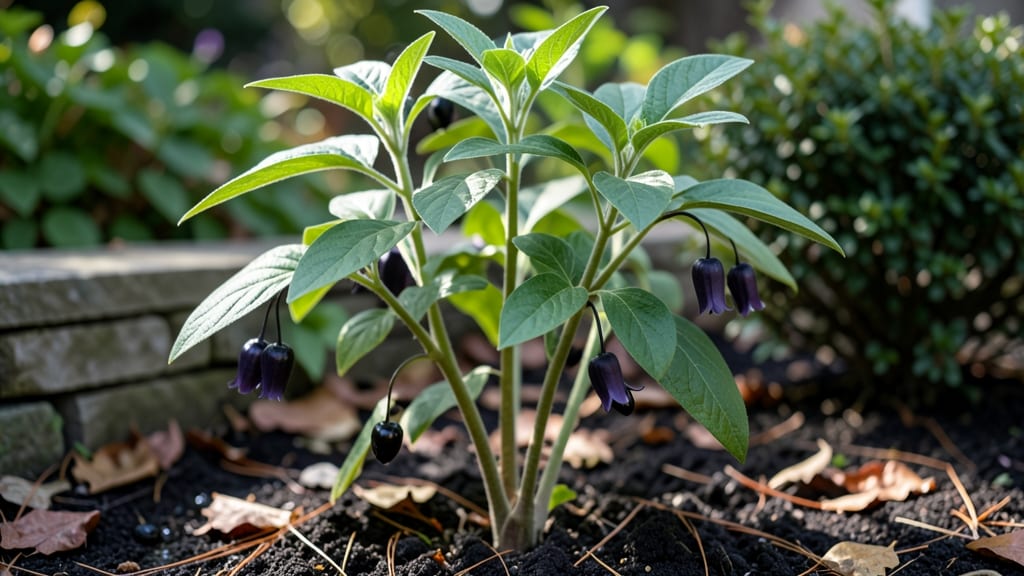
Toxic nightshade plants include deadly nightshade (Atropa belladonna), Jimsonweed (Datura stramonium), and bittersweet nightshade (Solanum dulcamara), which contain dangerous alkaloids like atropine and scopolamine that can cause severe poisoning if ingested or improperly handled. Always verify plant identification before consumption or contact.
Nightshades like these belong to the Solanaceae family, and their toxicity varies dramatically between species and plant parts. 🌿 While some relatives like tomatoes and potatoes are safe when cooked properly, their wild cousins pack serious risks.
For example, deadly nightshade's glossy black berries are particularly dangerous, containing enough alkaloids to cause hallucinations, rapid heartbeat, or even death in extreme cases. Even touching the leaves without washing can transfer harmful residues to your skin.
What makes these plants so deceiving is their resemblance to edible varieties. Jimsonweed, for instance, has trumpet-shaped flowers that can look appealing, but its seeds are a common source of accidental poisoning.
Always double-check with a reliable plant database or consult a local botanist before assuming a plant is safe—your health (and your pets') depends on it.
💡 In This Article
- Toxic Alkaloids in Nightshade Plants: How They Harm Humans and Pets
- Identifying and Safely Managing Toxic Nightshades in Your Garden
Toxic alkaloids in nightshade plants: how they harm humans and pets
The danger in toxic nightshades lies in their alkaloid compounds, which act like natural pesticides to deter herbivores. Atropine and scopolamine—found in deadly nightshade and Jimsonweed—block acetylcholine, a neurotransmitter that regulates muscle movement and organ function.
This creates a cascade of symptoms: dilated pupils, rapid heartbeat (120+ beats per minute), and hallucinations within 30-60 minutes of ingestion. Even small doses (0.1 mg/kg of atropine) can be lethal to children or pets.
Bittersweet nightshade (Solanum dulcamara) contains solanine, which damages nerve cells by disrupting cell membranes. Symptoms include nausea, vomiting, and abdominal pain, with severe cases leading to paralysis or organ failure.
The toxicity varies by plant part: berries contain 5-10x more alkaloids than leaves, while roots can be 3x more concentrated than stems. The glossy appearance of these berries mimics edible fruits, making them particularly deceptive.
Pets are especially vulnerable because their smaller size means even tiny amounts can be deadly. Dogs, for example, may ingest toxic plants while exploring, leading to seizures or coma within hours.
The key difference between edible nightshades (like tomatoes) and toxic varieties is the alkaloid concentration: safe plants have 0.02% or less of these compounds, while toxic species often exceed 0.1%. This chemical threshold explains why cooking edible nightshades reduces toxicity—heat breaks down some alkaloids—but never eliminates it entirely.
Symptoms of poisoning progress in stages: first, dry mouth and blurred vision; then, confusion and agitation; and finally, respiratory failure if untreated. The timeframe depends on the alkaloid type: atropine acts quickly (15-30 minutes), while solanine may take 6-12 hours to show effects.
This delayed onset is why many cases go unnoticed until it's too late. Even accidental skin contact can cause irritation or allergic reactions in sensitive individuals.
What most people don't realize is that these alkaloids aren't just harmful—they're also highly stable. They resist decomposition, meaning dried leaves or seeds remain toxic for years. This persistence is why historical records document their use in poison arrows or executions.
The same compounds that make them deadly also make them difficult to neutralize without proper treatment, emphasizing the importance of prevention through accurate identification.
Consider these critical factors when assessing risk:
- Plant part: Berries and seeds are most dangerous, followed by leaves and roots
- Species: Atropa belladonna and Datura stramonium are the deadliest
- Dosage: Children need only 2-5 berries of deadly nightshade for fatal poisoning
- Timeframe: Symptoms appear within 30 minutes to 12 hours depending on the alkaloid
The good news is that these plants have distinctive features that make them identifiable with practice. Deadly nightshade has bell-shaped flowers and shiny black berries, while Jimsonweed's spiky seed pods resemble porcupines.
Learning these visual cues can save lives—especially when gardening or hiking in areas where these plants grow wild. 🌿