
Trees
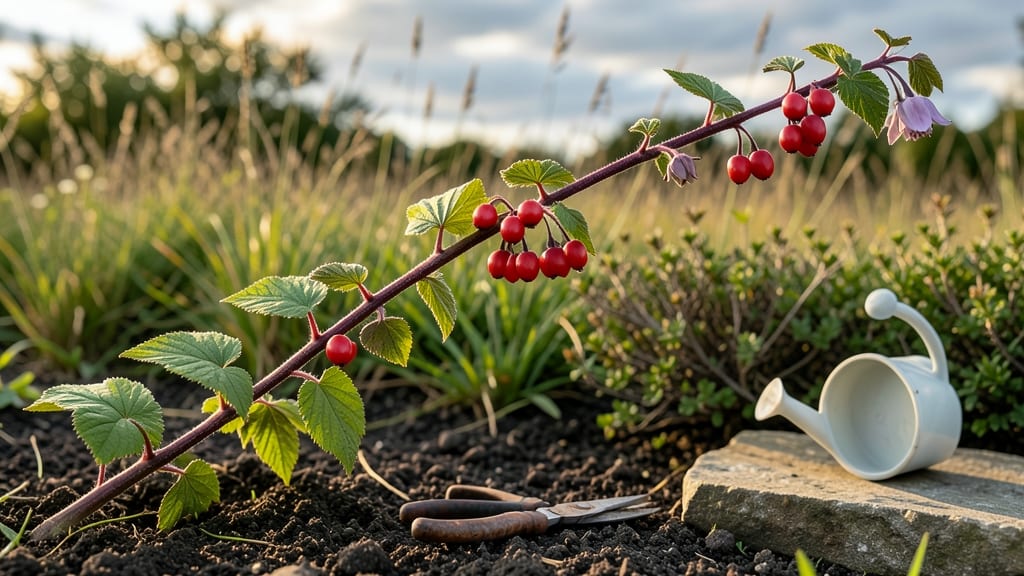
Mastering bittersweet nightshade identification is crucial—this vine’s red berries are stunning but deadly toxic, especially to pets and kids. 🌿 I’ve spent years helping gardeners spot it before it spreads. yet deadly if ingested.
The key is knowing its sneaky lookalikes, like Virginia creeper or morning glory, so you can remove it safely before it takes over your garden.
This plant climbs fences or sprawls along the ground, with heart-shaped leaves that feel slightly fuzzy and stems that twist like a corkscrew. The flowers are small and purple, but the real giveaway is the berries: bright red when ripe, turning black as they age.
Unlike harmless vines, bittersweet nightshade’s leaves have a bitter taste—though I’d never recommend testing that in your garden.
If you find it, wear gloves and pull it early in the season before the berries form. Bag the plants and dispose of them—never compost—since the roots can regrow. For stubborn patches, vinegar or a dedicated herbicide works, but always check with your local extension office first.
The last thing you want is a "pretty" vine that poisons your family.
Regional notes matter: bittersweet nightshade thrives in moist, shady areas across the U.S., but it’s especially aggressive in the Northeast and Midwest. Bookmark a plant ID app or database like iNaturalist to double-check before pulling anything. Stay sharp—this vine hides in plain sight until it’s too late.
Root Causes Of Misidentification
Bittersweet nightshade (Solanum dulcamara) is often confused with harmless plants or even edible lookalikes—yet its toxic berries and sap can pose serious risks. Understanding why these mix-ups happen helps gardeners, hikers, and foragers avoid dangerous encounters. Here’s a breakdown of the key reasons behind these misidentifications:
Bittersweet nightshade shares striking similarities with non-toxic plants, making it easy to overlook critical differences. Its lance-shaped leaves and vine-like growth resemble:
- Virginia creeper (Parthenocissus quinquefolia): Often mistaken for bittersweet due to its five-leaf clusters (though Virginia creeper has palm-like leaflets and no berries until late fall).
- Honeysuckle (Lonicera spp.): Both climb fences and produce berries, but honeysuckle has paired, tubular flowers and red-orange berries that split open—unlike bittersweet’s glossy, orange-red berries that stay intact.
- Morning glory (Ipomoea spp.): Some varieties have heart-shaped leaves, but they lack the distinctive bitter taste and toxic alkaloids found in nightshade.
Why it happens: The human brain prioritizes shape recognition over fine details. In nature, where plants grow densely, we often focus on broad traits (e.g., "vine with leaves") rather than toxic warning signs like glossy berries or bitter sap.
Bittersweet nightshade’s berries ripen late in the season (fall to winter), when many other plants also produce fruit. This timing overlap leads to dangerous assumptions:
- Edible berries like wintergreen (Gaultheria procumbens) or wax myrtle (Morella cerifera) appear in late autumn but have white or pale blue berries—never the vibrant orange-red of bittersweet.
- Poison ivy (Toxicodendron radicans) berries (white-green) are often overlooked, but their clustered growth differs from bittersweet’s solitary berries on a red stem.
- Birds spreading seeds can create dense patches of bittersweet near safe plants, blurring boundaries in wild areas.
Why it happens: Our brains use color memory to categorize objects quickly. Bright red/orange berries are often associated with edibility (e.g., cranberries, tomatoes), but bittersweet exploits this bias with its deceptively appealing hue. Additionally, late-season foraging increases risk-taking when food is scarce.
Some bittersweet nightshade varieties grow alongside cultivated ornamental plants, creating deliberate confusion:
- Japanese bittersweet (Celastrus orbiculatus): A non-toxic vine with yellow capsules that split open to reveal orange seeds—not berries. Its leaves are broader and less serrated than nightshade.
- Coral berry (Symphoricarpos orbiculatus): Produces pink-white berries in pairs, unlike bittersweet’s solitary, glossy berries.
- Agricultural crops like tomatoes or potatoes: All belong to the Solanaceae family, but only green, unripe solanines are toxic—not the ripe fruit.
Why it happens: Gardeners and landscapers often plant ornamental vines without realizing their toxic doppelgängers exist. Additionally, invasive species (like Japanese bittersweet) outcompete native plants, altering local ecosystems and making identification harder for those unfamiliar with the region’s flora.
Bittersweet nightshade contains solanine and chaconine—alkaloids that cause nausea, vomiting, and neurological symptoms if ingested. Yet, many people overlook toxicity due to:
- Cultural myths: Some believe "all nightshades are edible if cooked" (e.g., eggplants, peppers), ignoring that wild varieties are untested.
- Delayed symptoms: Toxicity may not appear for 6–12 hours, leading victims to dismiss initial stomachaches as food poisoning.
- Animal behavior: Birds eat the berries without harm (they excrete seeds), creating a false sense of safety for humans.
Why it happens: Cognitive biases play a role—people assume "what animals eat is safe" or "if it looks like an edible plant, it must be." Additionally, lack of education in foraging communities means many never learn to test for bitterness (a key safety step).
Pro Tip: 💡 Always use the "three-touch rule"—if you’re unsure, avoid touching, tasting, or bringing the plant indoors. When in doubt, consult a local field guide or expert before assuming a plant is safe.
Quick Fixes for Nightshade Confusion
If you’ve spotted a plant that might be bittersweet nightshade (or its toxic lookalikes) and need fast answers, here’s how to tackle the problem—whether you’re dealing with misidentification, accidental ingestion, or garden cleanup. The key is acting with confidence and precision. Let’s break it down by cause and solution.
Cause: You’re unsure if a vine, berry, or leaf is bittersweet nightshade (a toxic invasive) or a harmless lookalike (like Capsicum peppers or Solanum dulcamara’s edible cousin, Solanum melongena—eggplant). Fix:- 📏 Measure the leaves: Bittersweet nightshade has hairy, lobed leaves (3–5 pointed sections) with a distinctive "toothed" edge. Safe nightshades (like tomatoes or peppers) have smoother, less jagged edges.
- 🍇 Check the berries: Toxic bittersweet nightshade berries are bright orange-red, shiny, and persist through winter. Edible nightshades (tomatoes, peppers) ripen to red, yellow, or green and don’t last past frost.
- 🌱 Pull and test: If you’re still unsure, dig up a small section and snap a photo for a local extension office or plant ID app (like iNaturalist). Never taste wild plants!
💡 Pro Tip: Bookmark this USDA invasive species guide for side-by-side comparisons. A quick screenshot can save hours of guesswork!
Cause: Someone (or a curious pet) has eaten part of a bittersweet nightshade plant, leading to symptoms like nausea, vomiting, or neurological issues. Fix:| Action | Steps |
|---|---|
| 🚑 Call Poison Control |
|
| 💧 Flush the System |
|
| 🏥 Seek Medical Help |
|
🐕 Pet-Specific Alert: Dogs and cats are highly sensitive to nightshade toxins. If your pet ingests any part of the plant, contact your vet immediately—even small amounts can be deadly.
Cause: You’ve confirmed an infestation of bittersweet nightshade and want to remove it before it spreads. Fix:- 🔪 Cut and Treat (Best for Large Patches):
- Trim the vine at the base in early spring or after flowering (when it’s less resilient).
- Apply vinegar-based herbicide (20% acetic acid) or glyphosate to the stump. Reapply every 2 weeks until the plant dies.
- 🌱 Smothering (Chemical-Free Option):
- Cover the area with cardboard + mulch (6+ inches thick) for 6–12 months to block sunlight.
- Check for regrowth monthly—nightshade roots can be stubborn!
- 🌿 Hand-Pulling (For Small Areas):
- Wear gloves—the sap can irritate skin.
- Pull entire roots (use a fork if needed) to prevent regrowth.
- Bag and dispose of plants—do not compost.
⏰ Timing Matters: Remove bittersweet nightshade before it seeds (late summer/fall). A single plant can produce thousands of berries, each capable of sprouting a new invasion.
With these targeted fixes, you’ll either correctly ID the plant, protect your family/pets, or eliminate the threat—all without guesswork. Stay vigilant, and your garden (or backyard) will stay safe and toxin-free!
Frequently asked questions
How can I tell if a vine with red berries is bittersweet nightshade?
Look for glossy orange-red berries that stay intact through winter and grow solitary on a red stem. The leaves are lance-shaped with jagged edges and a slightly fuzzy texture. Virginia creeper (harmless) has five leaflets in a palm shape, while bittersweet leaves have 3-5 pointed lobes. Pro tip: Crushed bittersweet leaves smell bitter—never taste wild plants!
Are all nightshade plants toxic like bittersweet?
No! Only wild varieties like bittersweet nightshade are dangerous. Cultivated nightshades (tomatoes, peppers, eggplants) are safe when ripe. The key difference: toxic nightshades have green, unripe berries that persist through winter, while edible ones ripen to red/yellow and don't last past frost. Always check with a local expert if unsure.
What should I do if my dog eats bittersweet nightshade?
Act fast! Contact your vet or ASPCA Poison Control (888-426-4435) immediately. Keep your dog from vomiting (unless instructed) and give water to dilute toxins. Symptoms like drooling, vomiting, or lethargy require emergency care. Never wait for symptoms—bittersweet toxins can be deadly within hours.
Can I still remove bittersweet nightshade after the berries form?
Yes, but it's harder! Wear gloves and pull the entire plant (roots and all) before seeds spread. For large patches, cut vines at the base and treat stumps with vinegar (20% acetic acid) or glyphosate. Bag all plant material—never compost—as seeds can survive. Fall is the best time to tackle established plants before winter.
Why does bittersweet nightshade spread so aggressively?
Birds eat the berries and spread seeds everywhere! This vine also has deep, persistent roots that regrow if not fully removed. It thrives in moist, shady areas where other plants struggle. The key to control: Remove before seeds form (late summer) and prevent birds from accessing berries by covering plants with netting.