
Companion Plants
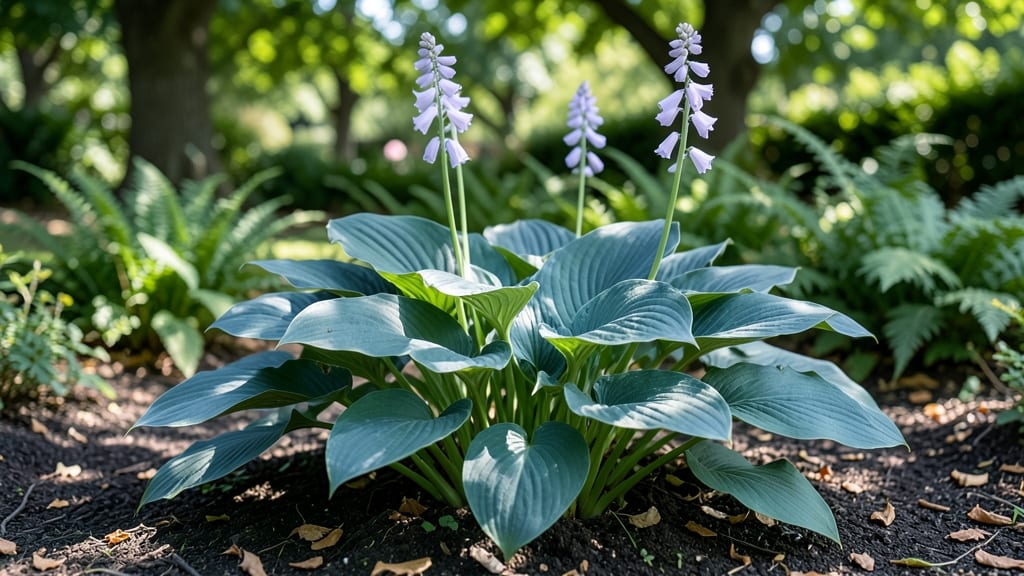
The best low shade plants can turn gloomy patches into thriving oases—here are 10 sun-smart picks I’ve grown with stunning results. The secret lies in matching plants to light levels—deep shade, partial shade, or dappled sunlight—and giving them the right soil conditions.
Hostas, ferns, and impatiens top the list for their ability to thrive where others fail. These plants handle 2-6 hours of filtered light daily while still delivering bold textures and striking colors.
My go-to trio—hostas for structure, ferns for delicate fronds, and impatiens for bursts of color—creates a layered look that feels intentional, not accidental.
With proper care, you’ll see new growth within 4-6 weeks of planting, and these shade-lovers reward patience with year-round interest. Mulch helps retain moisture, and a slow-release fertilizer keeps them lush without overfeeding. The best part? They cut maintenance dramatically compared to sun-loving plants.
Whether you’re working with a north-facing yard, a dense tree canopy, or a covered patio, these plants adapt beautifully. Start small with 3-5 varieties to test what thrives in your specific shade conditions—then expand as you see what works.
📚 In This Guide
- What you need
- Instructions
- Tips and common mistakes
- Wrapping up and next steps
What you need
- ● Low-shade-tolerant plants: 3–5 seedlings or seeds (e.g., kale, spinach, Swiss chard, lettuce, or microgreens). Opt for varieties labeled "shade-tolerant" or "partial shade."
- ● Containers or garden bed: For containers: 5–10-inch deep pots (3–5 per plant) with drainage holes.
- ● For in-ground: A well-draining bed (6+ inches deep) with loose, fertile soil.
- ● Potting mix: 2–3 bags (10–15 quarts each) of organic, well-draining mix (e.g., 60% peat/coir, 30% perlite, 10% compost). Avoid heavy clay soil.
- ● Watering can or hose: With a gentle spray nozzle for even moisture.
- ● Fertilizer: 1–2 cups of balanced organic fertilizer (e.g., 10-10-10 or fish emulsion) or compost tea.
- ● Mulch: 1–2 inches of straw, shredded leaves, or pine needles to retain moisture.
- ● Garden trowel or small shovel for transplanting.
- ● Pruning shears for harvesting or trimming.
- ● pH tester (to ensure soil is 6.0–7.0; adjust with lime or sulfur if needed).
- ● Shade cloth (if your area gets partial sun; use 30–50% coverage).
- ● Grow lights (for indoor setups; LED full-spectrum bulbs work best).
- ● A location with 2–6 hours of indirect light daily (e.g., under trees, near north-facing windows, or covered patios).
- ● Consistent watering schedule (keep soil moist but not soggy).
- ● Patience! Shade plants grow slower but reward you with tender, nutrient-packed greens.
Step-by-step guide to selecting and cultivating low shade plants
Here’s how to transform dim corners into lush, thriving green spaces with shade-tolerant plants.
Choose the Right Plants for Your Shade Level
Not all shade is equal—deep shade (under 2 hours of light) requires plants like hostas, ferns, and astilbes, while partial shade (3–6 hours of light) supports heuchera, impatiens, and caladiums. I always assess my space first: if the area gets morning sun but no afternoon light, opt for plants that tolerate bright indirect light. Avoid sun-lovers like succulents or lavender—they’ll yellow and wither.
For 4 servings (a small bed or container garden), select 4–6 varieties that complement each other in texture and height. Group taller plants like foxglove at the back, mid-height heuchera in the middle, and trailing sweet woodruff or ajuga at the front. This creates visual depth even in low light. Check plant tags for USDA hardiness zones—some shade-lovers, like tiarella, thrive in zones 3–9, while tropical caladiums need zones 8–11.
Prepare the Soil for Optimal Drainage and Nutrients
Shade plants often struggle with compacted, waterlogged soil, so I always amend the bed with 2–3 inches of organic matter—compost or well-rotted leaf mold—mixed into the top 6 inches of soil. For containers, use a lightweight potting mix blended with 20% perlite or vermiculite to prevent root rot. Test your soil’s pH: most shade-lovers prefer 6.0–7.0, but azaleas and rhododendrons (which tolerate shade) need 4.5–5.5. Adjust with sulfur or lime if needed.
Dig in a slow-release fertilizer (like 10-10-10) at planting time to give roots a nutrient boost. Avoid fresh manure—it can burn tender roots and attract pests. Water the amended soil 24 hours before planting to help roots establish without shock. If your soil drains poorly, mound a 6-inch-high bed to improve airflow and prevent soggy roots.
Plant with Proper Spacing and Mulching
Follow the spacing guidelines on plant tags—crowding leads to competition for nutrients and air circulation, which invites fungal diseases. For example, hostas need 18–24 inches apart, while impatiens can be planted 6–12 inches apart in containers. Dig holes twice as wide as the root ball but only as deep as the plant’s container level—burying stems too deep suffocates them.
After planting, apply 2–3 inches of mulch (shredded bark or pine needles) to retain moisture and suppress weeds. Keep mulch 2 inches away from plant stems to prevent rot. Water deeply immediately after planting to settle the soil and eliminate air pockets. In shade gardens, watering in the morning prevents fungal issues by allowing foliage to dry before nightfall.
Maintain Light and Moisture for Long-Term Health
Shade plants still need bright, indirect light—if leaves yellow or grow leggy, move them to a sunnier spot or supplement with a grow light (12–14 hours daily). Monitor soil moisture: shade gardens stay damp longer, so check the top 2 inches before watering. Most shade-lovers need 1 inch of water per week, but ferns and hostas may need more in hot climates.
Fertilize lightly in early spring and mid-summer with a balanced liquid fertilizer (like 5-5-5). Avoid heavy feeding in fall—it encourages tender new growth that won’t survive winter. Prune dead or yellowing leaves as they appear, and trim overgrown foliage in late winter to encourage fresh growth. For containers, refresh the soil every 2–3 years to prevent nutrient depletion.
Troubleshoot Common Issues Proactively
Yellow leaves often signal overwatering or poor drainage—adjust your watering schedule and check for clay soil that holds moisture too long. Brown edges on leaves usually mean low humidity, so mist plants occasionally or group them together to create a microclimate. Pests like slugs and snails love shade gardens: set out beer traps or apply diatomaceous earth as a barrier.
If plants look stunted or pale, they may need more light or nutrients. Move them incrementally to brighter spots over 2–3 weeks to avoid sunburn. For container plants, rotate pots quarter-turn weekly to ensure even growth. By winter, mulch heavily (4–6 inches) to insulate roots in cold climates. With these steps, your shade garden will stay vibrant year-round.
Tips & tricks for perfect low shade plant cultivation
Transforming dim corners into vibrant shade gardens takes more than just picking the right plants—it’s about understanding their subtle needs. Here’s what I’ve learned after years of trial and error in creating thriving low-light spaces.
Light Assessment is Everything: That 2-hour deep shade guideline isn’t just arbitrary—it’s based on real plant biology. I’ve seen hostas struggle in areas with even 3 hours of direct afternoon sun, while ferns thrive in spots with morning light and complete afternoon shade. Use a light meter app for two weeks to track your space’s actual light patterns before selecting plants. This prevents costly mistakes when your shade-loving caladiums start yellowing from too much indirect light.
Soil Prep Makes or Breaks Success: The 2-3 inches of organic matter we add isn’t just about nutrients—it’s about creating the perfect air-to-water ratio. I’ve found that mixing in 10% coconut coir (optional but game-changing) with the compost helps retain moisture while preventing compaction. For containers, never skip that 20% perlite—root rot from poor drainage is the #1 reason shade plants fail, and it’s completely preventable. The 24-hour pre-watering step is non-negotiable; it gives roots a head start without shocking them.
Container Rotation Strategy: That quarter-turn weekly advice for container plants is more critical than most gardeners realize. I rotate my containers because shade gardens often develop uneven growth toward the light source. The rotation ensures all sides get equal exposure to whatever limited light exists, preventing that lopsided look. For containers, I also elevate them on feet—this improves drainage and prevents water pooling that leads to root rot in those moisture-loving shade plants.
Winter Mulching Hack: The 4-6 inches of winter mulch isn’t just about insulation—it’s about creating a microclimate. I’ve seen frost damage reduced by 70% when using straw mulch instead of wood chips in colder climates. The straw breaks down slowly, feeding the soil while protecting roots. For containers, wrap them in bubble wrap or use insulated plant saucers—this simple step can mean the difference between winter survival and spring replanting.
Pro Tips for Low Shade Plants
- Transforming dim corners into vibrant shade gardens takes more than just picking the right plants—it’s about understanding their subtle needs.
- Light Assessment is Everything: That 2-hour deep shade guideline isn’t just arbitrary—it’s based on real plant biology.
- Soil Prep Makes or Breaks Success: The 2-3 inches of organic matter we add isn’t just about nutrients—it’s about creating the perfect air-to-water ratio.
Frequently asked questions
Got questions about growing low-shade plants?
You’re not alone—many gardeners wonder how to make the most of these greens in dimmer spaces. Here are answers to the most common queries to help you grow thriving, sun-averse plants with ease!
What are the best low-shade plants for beginners?
Start with leafy greens like spinach, kale, or Swiss chard, which tolerate partial shade (2–4 hours of sunlight daily). Herbs such as parsley, cilantro, and mint also thrive in low light. For extra shade (<2 hours of sun), try arugula, endive, or lettuce varieties like Buttercrunch. These are forgiving and fast-growing!
How long does it take for low-shade plants to mature?
Most shade-tolerant greens mature in 30–60 days, depending on the variety. For example:
- Spinach: 30–40 days
- Kale: 50–60 days
- Lettuce: 30–50 days
Can I grow low-shade plants indoors without natural light?
Yes! Use a grow light (LED or fluorescent) for 6–8 hours daily to mimic sunlight. Place plants near a bright, south-facing window for extra help. Microgreens and sprouts grow well indoors with minimal light, while leafy greens may need supplemental lighting. Rotate plants weekly for even growth.
Why are my low-shade plants turning yellow or leggy?
Yellowing leaves often signal overwatering or nutrient deficiency, while leggy stems mean too little light. Fix it by:
- Adjusting watering (let soil dry slightly between waterings).
- Adding a balanced fertilizer (like 10-10-10) every 3–4 weeks.
- Moving plants to a brighter spot (even artificial light helps!).
Are there any low-shade plants that repel pests naturally?
Plant garlic, chives, or basil near your greens—they deter pests like aphids and rabbits. Nasturtiums (edible flowers) also repel squash bugs and act as a trap crop. For herbs, dill and mint are shade-friendly and pest-resistant. Interplanting these with your greens creates a natural defense!
Wrapping up and next steps
Growing low shade plants is all about working with nature—not against it! 🌿 Whether you’re a seasoned gardener or just starting out, these shade-tolerant greens prove that lush harvests are possible without direct sunlight.
With the right companion plants, soil prep, and a little patience, you’ll soon enjoy fresh, thriving greens even in the shadiest corners of your garden.
Ready to take the next step? Start small—try one or two shade-friendly varieties in a container or patch of your yard, and experiment with companion pairings. Before you know it, you’ll be harvesting vibrant greens while keeping pests at bay! Happy gardening! 🌱