
Light Requirements
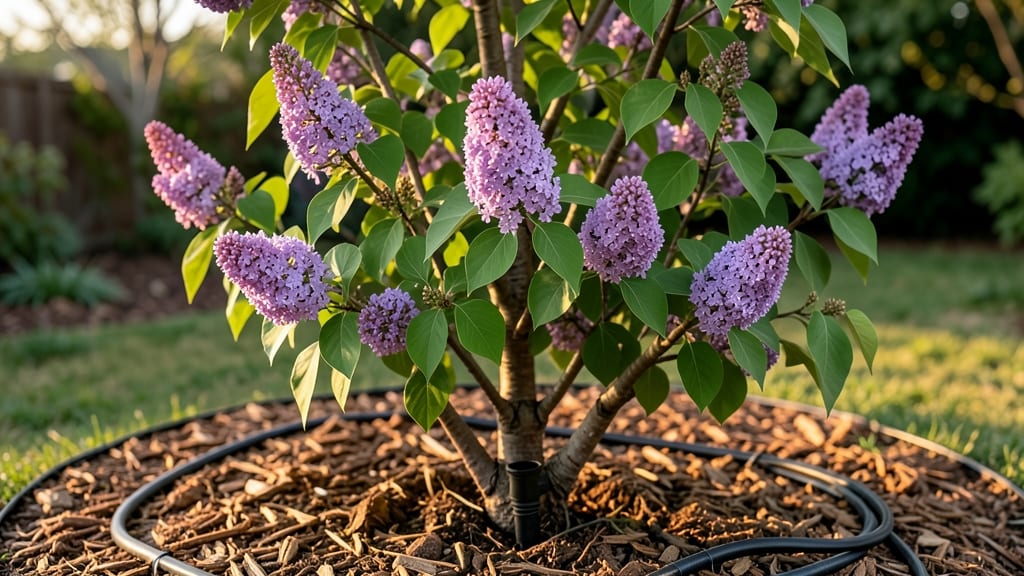
Part-shade lilacs prove you don't need full sun for those dreamy purple clouds. 💜 I've grown lilacs in dappled light for years, and they reward me with fragrant blooms every spring—no sunlight struggles in sight. The secret lies in rich, well-draining soil and strategic planting placement.
Most people overlook how lilacs adapt to partial shade when given the right conditions. A spot with 4-6 hours of morning sun and afternoon shade works beautifully, especially for varieties like 'Miss Kim' or 'Dwarf French'.
You'll end up with lush foliage and abundant flowers that perfume the air for weeks. The key is pruning after blooming and keeping the roots moist but not soggy—simple adjustments that make all the difference. Perfect for woodland gardens, foundation plantings, or shady corners where other shrubs fail.
Let's make those lilacs thrive!
📚 In This Guide
- What you need
- Instructions
- Tips and common mistakes
- Wrapping up and next steps
What you need
- ● Lilac plants: 1–3 Syringa varieties (e.g., Syringa meyeri ‘Palibin’ for shade tolerance or Syringa vulgaris ‘Charles Joly’ for milder shade). Check for disease-resistant labels (e.g., resistant to powdery mildew).
- ● Well-draining soil: 50% native soil + 50% organic matter (compost, aged manure, or peat moss). pH: 6.0–7.0 (test with a soil kit if unsure).
- ● Mulch: 2–3 inches of wood chips or shredded bark (retains moisture, suppresses weeds).
- ○ Fertilizer: Balanced 10-10-10 fertilizer (spring) + low-phosphorus (e.g., 5-3-3) for established plants. Slow-release rose or shrub fertilizer (optional but helpful).
- ● Tools: Trowel or spade (for planting). Garden gloves (to protect hands from thorns). Watering can or hose with soaker nozzle (for deep watering).
- ● Epsom salt: 1 tbsp per plant (annual application for magnesium boost in part shade).
- ● Copper fungicide: Spray in early spring to prevent powdery mildew (common in humid part-shade spots).
- ● Drip irrigation kit: Automates watering for consistent moisture (lilacs hate soggy roots!).
- ● Pruning shears: Sharp, bypass-style shears for post-bloom cleanup (sterilize with rubbing alcohol).
Step-by-Step guide to thriving lilacs in part shade
Lilacs love fragrance and color but don’t need full sun to shine—here’s how to grow them beautifully where light is limited.
🌱 Step 1: Choose the Right Lilac Variety for Low Light
Not all lilacs thrive in part shade, so pick varieties bred for tolerance. 'Miss Kim' and 'Dwarf Korean' are top performers—they handle 4-6 hours of morning sun with afternoon shade beautifully. Avoid traditional French hybrids like 'Katherine Havemeyer,' which demand full sun.
Look for established 1-2 gallon container-grown plants at nurseries. Bare-root lilacs need more sun to establish, so skip them for part-shade spots. When selecting, check the foliage—healthy plants have deep green, glossy leaves with no brown edges, a sign of stress.
🪴 Step 2: Prepare the Planting Site with Moist, Well-Draining Soil
Lilacs hate soggy roots but tolerate shade better with rich, organic soil. Mix 3-4 inches of compost into the top 12 inches of native soil at the planting site. If your soil is heavy clay, amend with pebbles or coarse sand to improve drainage.
Dig a hole twice as wide as the root ball but only as deep—planting too deep suffocates roots. Loosen the roots gently if they’re circling in the pot. Place the plant so the top of the root ball sits 1-2 inches above ground level—this prevents rot in winter.
☀️ Step 3: Position for Maximum Light Without Stress
Part shade means morning sun and afternoon shade, never deep shade under trees. A spot 6-10 feet from a south-facing wall works well—the wall reflects light while shielding from harsh afternoon rays. If planting near trees, choose a location where roots won’t compete for water.
Lilacs in part shade bloom 1-2 weeks later than sun-lovers but produce longer-lasting flowers. Mulch with 3 inches of wood chips around the base to retain moisture and regulate soil temperature. Keep mulch 6 inches away from the trunk to prevent rot.
💧 Step 4: Water Deeply and Adjust Care for Shade Conditions
Water once a week in part shade (twice in extreme heat) until the soil is 6 inches deep and moist. Overwatering is worse than underwatering—lilacs in shade are prone to fungal diseases like powdery mildew. Water at the base, not overhead, to keep foliage dry.
Fertilize lightly in spring with balanced 10-10-10—too much nitrogen encourages leafy growth at the expense of blooms. Prune right after flowering to shape the plant, removing 1/3 of last year’s stems to encourage new growth. Never prune in fall or winter.
✂️ Step 5: Prune and Maintain for Long-Term Health
Deadhead spent blooms to redirect energy to next year’s flowers. Lilacs bloom on old wood, so avoid heavy pruning—focus on removing crossing branches and stems growing inward. Use clean, sharp pruners to make cuts at a 45-degree angle just above a outward-facing bud.
Watch for aphids or borers—shady lilacs attract pests more than sun-exposed ones. Spray with neem oil if you spot sticky residue on leaves. In late fall, apply a 2-inch layer of mulch to protect roots from freeze-thaw cycles, which can damage tender stems.
Tips & tricks for thriving lilacs in part shade
These practical insights will help you avoid common pitfalls and maximize your lilac's potential in less-than-ideal light conditions.
Variety Selection: The 4-6 hours of morning sun mentioned in Step 1 is crucial—this is when lilacs perform their photosynthesis magic. If your spot gets less than 4 hours, consider 'Miss Kim' specifically, as it handles even less light better than 'Dwarf Korean'. Look for nursery tags that specify "part shade tolerant" to avoid disappointment.
Soil Preparation Strategy: When amending your soil with 3-4 inches of compost in Step 2, mix in a handful of bone meal for an extra phosphorus boost—this supports robust flowering. For clay-heavy soils, add coarse sand at a 1:1 ratio with compost to improve drainage without altering the soil's organic structure. The key is maintaining that moist-but-not-soggy balance.
Light Positioning: That 6-10 feet distance from a south-facing wall in Step 3 isn't arbitrary—the wall acts as a heat sink that extends the effective light exposure. If you don't have a wall, position your lilac near a large window that gets morning sun. Remember, afternoon shade is non-negotiable—direct afternoon sun will scorch leaves even in part-shade varieties.
Watering Wisdom: The once-weekly watering guideline in Step 4 assumes average rainfall. In extreme heat (above 90°F), you'll need to water twice weekly—but check soil moisture first. Stick your finger 6 inches deep; if it's dry, water thoroughly. The base-only approach prevents fungal spores from splashing onto leaves, which is especially important in shade where air circulation is reduced.
Pro Tips for Lilac Part Shade
- These practical insights will help you avoid common pitfalls and maximize your lilac's potential in less-than-ideal light conditions.
- Variety Selection: The 4-6 hours of morning sun mentioned in Step 1 is crucial—this is when lilacs perform their photosynthesis magic.
- Soil Preparation Strategy: When amending your soil with 3-4 inches of compost in Step 2, mix in a handful of bone meal for an extra phosphorus boost—this supports robust flowering.
Frequently asked questions
Got questions about growing lilacs in part shade? You’re not alone! Here are some of the most common queries—and their answers—to help you cultivate fragrant, thriving blooms even without full sun.
How much shade can lilacs actually tolerate?
Lilacs thrive in part shade, meaning 3–6 hours of direct sun daily. They can handle up to 50% shade, but too little light (less than 3 hours) may reduce blooms. If your yard is shady, choose dwarf varieties like ‘Miss Kim’ or ‘Little Leo,’ which adapt better than standard types.
Will lilacs bloom in part shade?
Yes! While full sun encourages bigger, more abundant flowers, part-shade lilacs still bloom—just possibly smaller or later in the season. To boost flowering, prune in late spring (after blooms fade) to promote airflow and sunlight penetration to inner branches.
What’s the best soil mix for part-shade lilacs?
Lilacs prefer well-draining, slightly acidic to neutral soil (pH 6.0–7.0). Amend heavy clay with compost or sand to prevent root rot. A layer of mulch (2–3 inches) helps retain moisture and regulate soil temp—critical in shady spots where soil stays cooler.
Are part-shade lilacs prone to pests or diseases?
Shadier conditions can increase humidity, making lilacs more vulnerable to powdery mildew or borers. Improve airflow with proper spacing (6–10 feet apart) and avoid overhead watering. If mildew appears, treat with neem oil or fungicide early in the season.
Can I grow lilacs in containers with part shade?
Dwarf varieties like ‘Katherine Havemeyer’ or ‘Mme. Lemoine’ do well in 15–20 gallon containers with a fast-draining mix (60% potting soil, 30% perlite, 10% compost). Place pots where they get morning sun and afternoon shade—this mimics their natural light needs.
Wrapping up and next steps
Planting lilacs in part shade isn’t just possible—it’s a fantastic way to enjoy their divine fragrance and stunning blooms without battling harsh sunlight. With the right soil, spacing, and a little patience, you’ll create a fragrant purple paradise that thrives even in dappled light. 🌸
Ready to transform your garden? Start by choosing the perfect lilac variety for your climate, then give those roots the love they deserve with proper mulching and watering. Soon, you’ll be rewarded with years of effortless beauty—and maybe even a few admiring neighbors!