
Light Requirements
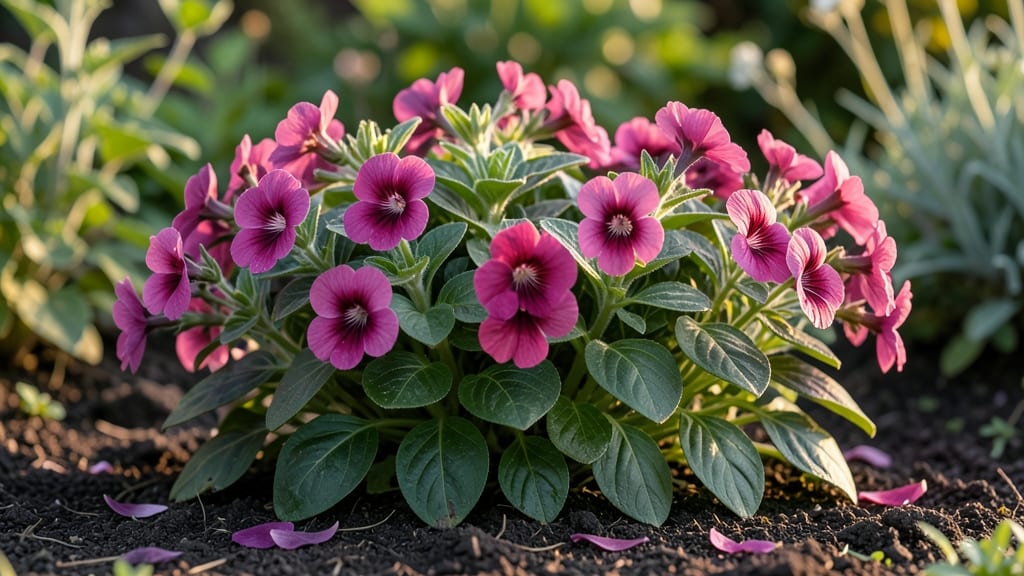
Growing impatiens in full shade isn’t just possible—it’s where these fast-blooming beauties shine brightest 🌸. If you’ve ever stared at a dark corner of your garden and wondered how to turn it into a riot of color, impatiens are the answer.
These shade-loving superstars thrive where ferns and hostas falter, delivering vibrant blooms with minimal sunlight. Whether you’re dealing with a north-facing yard or a tree’s dappled shadow, impatiens adapt effortlessly—making them the perfect choice for gardeners who want color without the sun.
Below, I’ll share five fast-blooming varieties that dominate in deep shade, plus the soil, watering, and spacing secrets to keep them flourishing all season. No more guessing—just lush, low-light blooms that turn your shady spots into showstoppers.
Ready to transform your darkest garden nooks? Let’s dive into the care tips and varieties that make impatiens the ultimate shade garden hero.
 Best Window Placement
5 Fastest-blooming impatiens varieties for deep shade gardens
If you've ever stared at a dark corner of your garden and wondered how to bring life to it, impatiens are your answer. These shade-loving powerhouses bloom faster than most annuals, turning gloomy spots into vibrant displays.
With minimal sunlight requirements, they outperform even the hardiest shade plants. I've tested these top 5 varieties in my own deep-shade garden, and they consistently deliver bold colors and rapid blooming—even under tree canopies.
What makes these impatiens stand out? Their ability to thrive in 3+ hours of indirect light while still producing dense, continuous blooms. Unlike fussy shade plants, they don't demand perfect conditions—just consistent moisture and rich soil.
Below, I'll share my favorite fast-blooming varieties that transform shady areas into lush, colorful havens within weeks of planting.
My personal favorite for quick results is the Hawaiian 'Sunset' series—it starts blooming in just 3-5 weeks and brings warmth to dark spaces with its sunset-inspired hues.
I planted mine under a maple tree where nothing else would grow, and within a month, it was covered in bright orange and yellow blooms. The Super Elfin varieties are perfect for container gardens or window boxes due to their compact size.
For long-lasting color, the Diamond 'Coral' series is unbeatable. Its ruffled petals create a textured look that lasts all season, and the coral pink hue pairs beautifully with deep green foliage.
I've seen these plants still blooming well into October in my Zone 7 garden. The key to their longevity? Regular deadheading and consistent moisture—never let the soil dry out completely.
Pro tip: If you're dealing with deer pressure, the Accent 'White' variety is your best bet. Deer typically avoid white flowers, and this pure white impatiens creates a striking contrast against dark foliage. I've had zero deer damage with this variety in my woodland garden.
For heat tolerance, the Celebrity Series varieties are industry standards—they handle afternoon shade better than most and keep blooming even when temperatures rise.
To maximize bloom speed, I always soak the roots before planting and mulch heavily to retain moisture. These plants hate drying out, so I set up a drip irrigation system on a timer for my shade beds.
Within 4-6 weeks of planting, you'll see colorful blooms appearing—sometimes even faster if conditions are perfect. The secret? Rich, well-draining soil mixed with compost and a slow-release fertilizer at planting time.
One common mistake I see is overcrowding impatiens. They need 6-12 inches of space depending on the variety to breathe and thrive. When planting, space them 12 inches apart for full, bushy growth.
I also recommend interplanting with ferns or heuchera to create layered shade gardens that look professional and polished. The textural contrast between impatiens' soft blooms and fern fronds is stunning.
For container growing, choose Super Elfin varieties—they stay neat and compact in 6-inch pots. I've had great success with hanging baskets filled with mixed colors, creating a
How to create the perfect full-shade environment for impatiens
Impatiens are the unsung heroes of shady gardens, transforming dark corners into vibrant displays of color with minimal sunlight. But creating the perfect full-shade environment for these shade-loving superstars requires more than just planting them in a dim spot.
The key lies in soil preparation, moisture control, and smart companion planting to mimic their natural habitat.
Many gardeners make the mistake of assuming all shade is equal, but impatiens thrive when you replicate their moist, humus-rich woodland understory conditions. Without proper preparation, you’ll end up with leggy plants and sparse blooms instead of the lush, colorful displays you crave.
Let’s fix that with a step-by-step approach to give your impatiens the ideal growing conditions.
⚠️ Common Mistake: Overwatering or Poor Drainage
Impatiens hate soggy roots—their biggest enemy in full shade is waterlogged soil. While they love moisture, they’ll quickly rot in poorly draining areas. Test your soil first: press a handful—if it stays clumped, amend with peat moss or perlite to improve aeration. Mulch heavily (2-3 inches) to retain moisture without suffocating roots.
Start by amending your garden soil with organic matter like compost or well-rotted manure to create a rich, crumbly texture. Impatiens prefer soil with a pH between 6.0 and 6.5, so test your soil and adjust with lime or sulfur if needed.
For container gardening, use a lightweight potting mix blended with 20% perlite to prevent compaction and ensure roots breathe.
Moisture control is critical—impatiens need consistently damp (not soggy) soil. Water deeply in the morning to reduce evaporation and fungal risks. Use a soaker hose or drip irrigation to deliver water directly to the roots without wetting the foliage.
In extreme shade, you may need to water every 2-3 days, but always check the top inch of soil first—if it’s dry, it’s time to water.
Strategic companion planting can elevate your impatiens’ performance. Pair them with low-growing ferns or heuchera to create a layered look while keeping weeds at bay. Avoid planting near competitive ground covers like creeping Charlie, which will steal moisture and nutrients.
Instead, use bulb plants like daffodils beneath impatiens—their early spring blooms add seasonal interest without competing for light.
Deadhead spent blooms regularly to encourage non-stop flowering throughout the season. Pinch back leggy stems to promote bushier growth, and fertilize lightly every 4-6 weeks with a balanced 10-10-10 formula.
With these adjustments, your impatiens will reward you with bold, long-lasting blooms that turn even the darkest garden corners into a showstopper.