
Plants
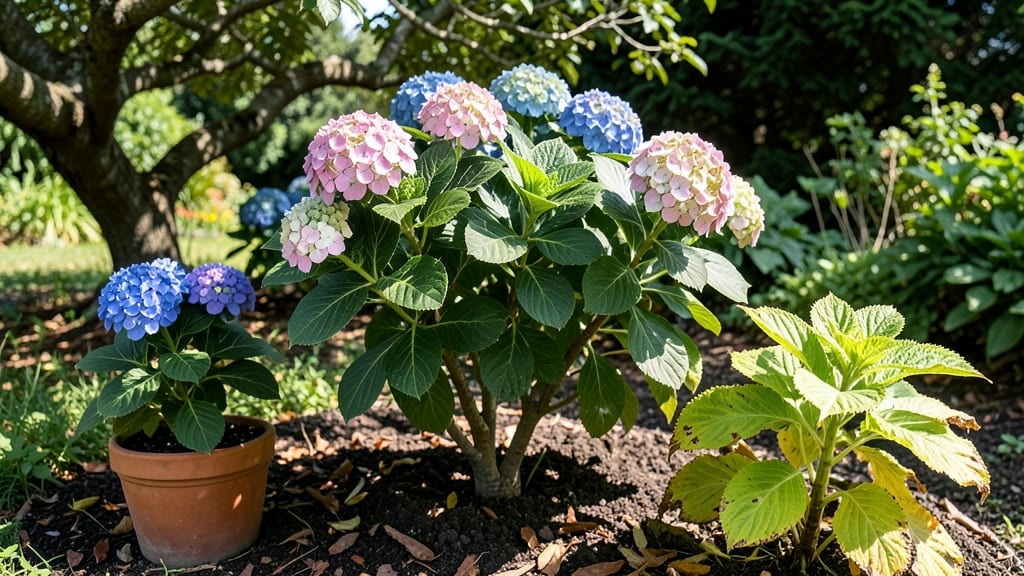
Mastering the art of growing a hydrangea sun or shade plant ensures those dreamy blooms stay vibrant all season—here’s how to strike the perfect balance.
Struggling to get your hydrangeas to bloom? The secret might be hiding in your garden’s sunlight—or lack of it. Too much sun scorches the leaves, while too little shade can leave you with sparse flowers.
But here’s the good news: with the right placement, your hydrangea can flourish year after year.
Not all hydrangeas are created equal—some varieties love bright morning sun, while others prefer dappled shade. In USDA Zone 6a, where spring planting is ideal, the right light strategy can mean the difference between a few blooms and a lush, vibrant display.
Below, I’ll break down the sun vs. shade needs for popular types like mophead, lacecap, and oakleaf, plus how to adjust their environment for maximum impact.
Ready to transform your garden? You’ll learn how to read your hydrangea’s light cues, avoid common mistakes that kill blooms, and even tweak your pruning to boost flower power—no matter where your plants live in your yard.
 Best Window Placement
Hydrangea varieties that thrive in sun vs. shade: climate Zone guide
Hydrangeas are one of the most popular shrubs for their stunning blooms, but their light needs vary dramatically by variety. Mophead and lacecap hydrangeas often get the spotlight, but oakleaf and panicle types have completely different sun requirements.
Getting this right means the difference between vibrant blooms and sparse foliage. Let’s break down which hydrangeas thrive in full sun, partial shade, or full shade, plus how your USDA zone affects their performance.
Most gardeners assume hydrangeas need shade, but that’s not always true. Panicle hydrangeas like 'Limelight' or 'Little Lime' actually crave full sun to produce their iconic cone-shaped blooms.
Meanwhile, mophead varieties such as 'Endless Summer' perform best with morning sun and afternoon shade, especially in hotter zones like USDA 8-10. Understanding these nuances helps you place your hydrangeas for maximum blooms and healthier growth.
The key to success lies in matching your hydrangea variety to your garden’s microclimate. For example, oakleaf hydrangeas tolerate more sun than lacecaps but still need afternoon shade in USDA 7 and above.
Meanwhile, mountain hydrangeas (like 'Nikko Blue') thrive in full shade and cooler zones (USDA 4-6). Let’s explore the best varieties for each light condition and how to adapt care based on your zone.
If you live in USDA zones 3-5, your best bets are oakleaf and panicle hydrangeas, which handle colder winters and full sun beautifully. In zones 6-8, where summers can be intense, mophead and lacecap varieties shine with partial shade protection.
For zones 9-11, even full shade works for lacecaps and mountain hydrangeas, as the heat can scorch leaves in direct sunlight.
Pro tip: Panicle hydrangeas are the most sun-tolerant and even bloom better with 6+ hours of direct sun. Plant them on the south or west side of your yard for maximum exposure.
For mopheads, avoid placing them under hot afternoon sun—this can cause leaf scorch and reduced blooms. Instead, position them near a tree with dappled shade or a north-facing wall.
Soil pH also plays a role in hydrangea color, but light is the foundation for healthy growth. For example, blue blooms in mopheads require acidic soil (pH 5.5-6.0), while pink blooms thrive in neutral to alkaline soil (pH 6.0-7.0).
However, if your hydrangea isn’t getting enough light, color intensity will fade regardless of soil pH. That’s why nailing the sun vs. shade balance is step one.
In hot, dry climates (zones 8-11), even sun-loving panicle hydrangeas need afternoon shade to prevent leaf burn. Use a lightweight shade cloth (30-50%) if your yard has intense afternoon sun.
For cooler zones (3-6), you can push the limits with full sun exposure, especially for oakleaf varieties, which handle frost better than most.
One common mistake is assuming all hydrangeas need shade. Panicle hydrangeas
How to adjust light exposure for maximum hydrangea blooms
Hydrangeas are finicky about sunlight, and sudden changes can shock their delicate blooms. The key to maximum flowers lies in gradual adjustments and smart pruning. If your hydrangeas struggle in full sun or deep shade, you’re not alone—most gardeners need a light exposure plan tailored to their climate.
Start by observing your garden’s sun patterns throughout the day, especially in summer months when intensity peaks.
Not all hydrangea varieties handle light the same way. Mophead and lacecap types often thrive in morning sun with afternoon shade, while oakleaf and panicle hydrangeas can tolerate more direct sunlight. Your first step? Identify your hydrangea’s specific type and match it to your garden’s light conditions.
For example, a panicle hydrangea in Zone 7 might need 6 hours of sun, while a mophead in Zone 5 could scorch in full afternoon light.
Step-by-Step Light Adjustment Guide
- 1 Assess Current Light: Use a light meter or observe shadows at solar noon. Note how many hours of direct sun your hydrangea gets daily.
- 2 Gradual Acclimation: Move potted hydrangeas incrementally—shift them 1 foot closer to shade weekly. For in-ground plants, use lightweight shade cloth (30-50%) to ease transitions.
- 3 Prune for Light: Cut back overcrowded branches in late winter to improve airflow and light penetration. Focus on dead wood and crossing stems to encourage new growth toward the center.
- 4 Seasonal Adjustments: In summer, provide afternoon shade with a lattice screen. In winter, expose dormant plants to morning sun to harden them for next season.
- 5 Monitor Bloom Response: Track flower size and color intensity after adjustments. Larger blooms often mean ideal light, while smaller flowers signal too much shade or sun stress.
Pruning plays a critical role in optimizing light exposure. For mophead and lacecap hydrangeas, prune right after blooming to remove last year’s flower stems and encourage new growth toward the center. This opens up the plant’s canopy, allowing more light to reach inner branches.
For oakleaf and panicle types, prune in late winter to shape the plant and improve sunlight distribution.
Seasonal light adjustments can double your bloom time. In hot climates like Zone 9, hydrangeas often benefit from afternoon shade during peak summer months. Use lightweight fabric shades or plant tall grasses nearby to filter harsh rays.
Conversely, in cooler zones like Zone 4, hydrangeas may need more morning sun to kickstart growth in spring. A south-facing window or east-facing garden bed can make all the difference.
Watch for visual cues that your hydrangea isn’t getting the right light. Yellowing leaves or leaf scorch often signal too much sun, while leggy growth and fewer blooms mean insufficient light.
If your hydrangea’s leaves are deep green and healthy but flowers are small and sparse, it might need more sunlight. Conversely, if leaves are pale and stretched, it’s likely shade-starved. Adjust gradually—hydrangeas are sensitive to abrupt changes, so patience is key.
For container-grown hydrangeas, flexibility is your best friend. Rotate pots quarter-turns weekly to ensure even light exposure. If your patio gets intense afternoon sun, move pots to a shadier spot by 2 PM.
In shady spots, supplement with a grow light for 12 hours daily during winter months when natural light is scarce. With these tweaks, you’ll coax vibrant blooms year after year.