
Light Requirements
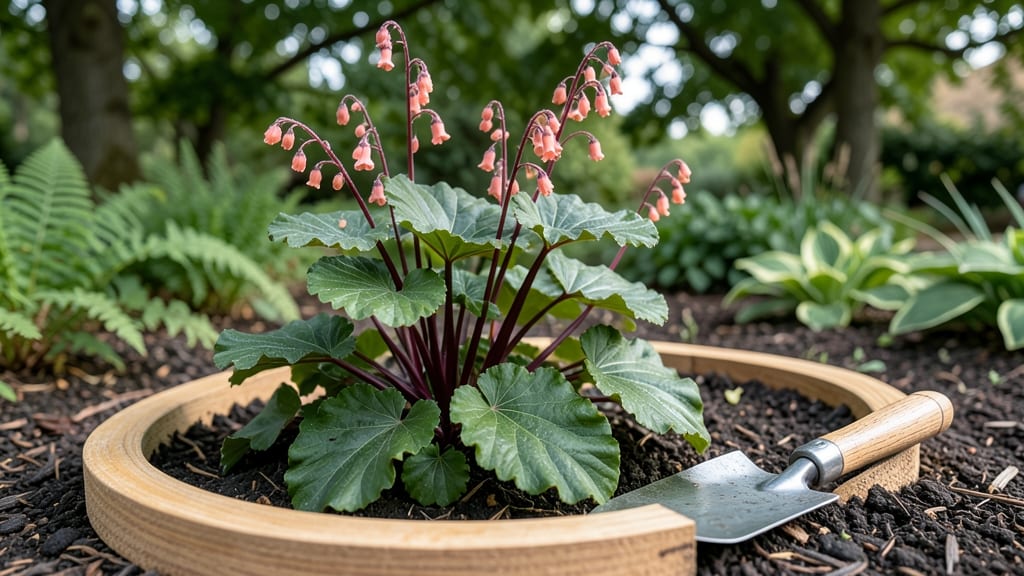
Understanding partial shade isn't just about counting sunlight hours—it's about how light behaves differently throughout the day. 🌿 Morning sun, for example, is gentler than afternoon rays, so a plant receiving 4 hours of morning light may handle more total exposure than one getting 4 hours of midday sun.
I've noticed that plants like astilbes and impatiens thrive in these conditions because their leaves naturally adapt to lower light intensity, producing broader, darker foliage compared to sun leaves.
The key is matching plant families to their native light environments—woodland plants typically prefer the dappled light of partial shade, while Mediterranean species might need slightly more direct sun.
For gardeners, this means paying attention to your yard's microclimates. A northern exposure might naturally provide more partial shade than a southern one, while humidity can make sunlight feel more intense. 💫 Adjusting for these factors ensures your plants get the right balance without risking leaf burn or leggy growth.
💡 In This Article
- Understanding Partial Shade Light Requirements for Plants
- Best Plants for Partial Shade Gardens by Sunlight Needs
Understanding partial shade light requirements for plants
Partial shade isn't just a middle ground between full sun and deep shade—it's a dynamic light environment where intensity, duration, and quality all matter. Plants in partial shade receive 3 to 6 hours of direct sunlight, but the real magic happens in how that light interacts with their leaves.
Sunlight intensity peaks around midday (11 AM to 3 PM), delivering 10,000 to 20,000 foot-candles of light—enough to cause leaf burn in sensitive species.
In contrast, morning and late afternoon light (6 AM to 10 AM or 4 PM to 8 PM) provides gentler 2,000 to 5,000 foot-candles, perfect for plants like hostas or astilbes that avoid harsh midday rays. 🌿
The science gets fascinating when you look at how plants physically adapt. Leaves in partial shade develop broader, thinner blades with more chlorophyll to maximize light absorption from all angles. These "shade leaves" contrast sharply with "sun leaves," which are smaller, thicker, and waxier to reflect excess heat.
For example, a fern's delicate fronds thrive in partial shade because their large surface area captures scattered light efficiently, while a sun-loving peony would wilt under the same conditions.
The key factor is photosynthetic efficiency—plants balance sugar production with water conservation, which is why moisture-loving species dominate partial shade gardens.
Seasonal variations add another layer of complexity. In summer, the sun's arc is higher, potentially increasing direct light exposure by 10-15% compared to spring or fall. A plant receiving 4 hours of partial shade in June might actually get closer to 5 hours in July.
This is why gardeners in hot climates often need to adjust plant placement mid-season—what works in spring may scorch foliage by midsummer. Regional differences matter too: Northern latitudes (like Seattle) have gentler sunlight angles, while southern climates (like Miami) deliver more intense, concentrated light. 💫
Microclimates within your yard can further refine these numbers. A north-facing wall, for instance, might cast shade for 8+ hours daily, while an east-facing area could receive 3 hours of morning sun plus dappled light all afternoon.
Humidity plays a role too—moist air scatters sunlight more, effectively reducing intensity by 15-20% compared to dry climates. Even wind affects light exposure: Gusts can create moving shadows that mimic partial shade conditions even in full-sun areas.
Understanding these nuances helps explain why a plant might thrive in one partial shade spot but struggle just a few feet away.
Consider the leaf structure of woodland plants like Japanese maples or lungworts—they've evolved to handle this variable light. Their leaves often have silvery or blue-green undersides that reflect excess light, while their upper surfaces absorb what they need.
Mediterranean natives, on the other hand, might tolerate slightly more direct sun (closer to 5-6 hours) because their ancestors adapted to hot, dry summers with bright but brief sunlight periods.
This is why a garden in Portland might succeed with 4 hours of morning sun while the same plants in Atlanta would need 3 hours or less to avoid stress. 🌱