
Light Requirements
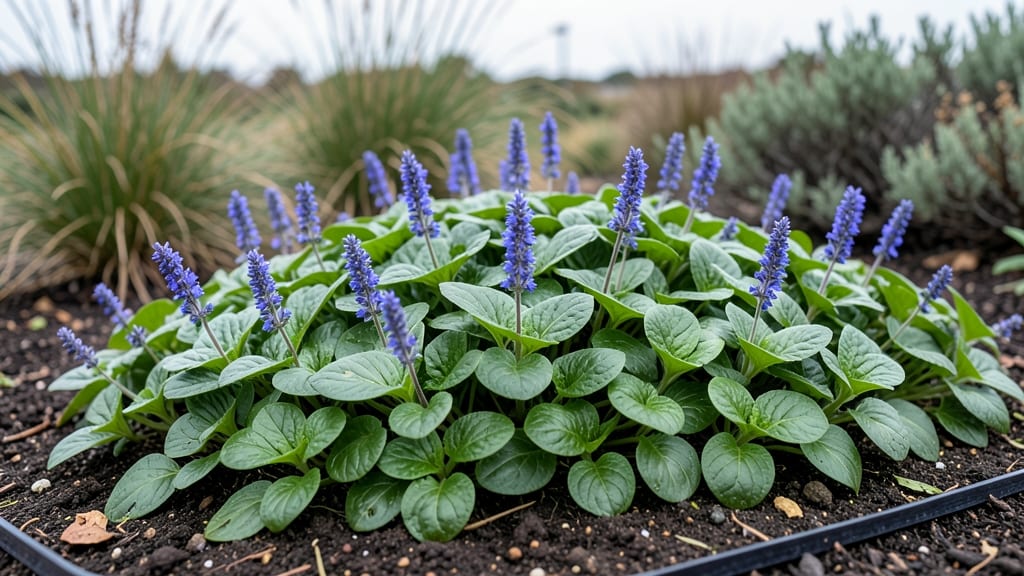
Partial shade ground covers turn shady spots into lush carpets that actually thrive. 🌿 I used to think these areas were hopeless—until I discovered plants like creeping phlox and ajuga that spread effortlessly while outcompeting weeds.
The right choices transform bare soil into a vibrant, low-maintenance landscape feature that saves you hours of weeding. These plants do more than just look pretty—they suppress weeds, prevent erosion, and create microclimates that protect surrounding plants.
My favorite varieties stay green year-round or burst with spring color, and most need only occasional trimming to maintain their thick, carpet-like growth. The key is selecting plants that match your shade level and soil moisture. By summer, you'll have a dense ground cover that feels like walking on velvet.
The plants attract pollinators, reduce water runoff, and create a cohesive look whether planted under trees, along foundations, or between stepping stones. Even in my shadiest corner, the right ground cover turned a problem area into a garden highlight. Works beautifully in woodland gardens, under eaves, or around patios.
The secret is combining different textures and colors for year-round interest—once you see the transformation, you'll wonder why you didn't try it sooner.
📚 In This Guide
- What you need
- Instructions
- Tips and common mistakes
- Wrapping up and next steps
What you need
- ● Ground cover plants (partial shade-tolerant): 10–20 plants of Ajuga reptans (Bugleweed) – 1–2 ft tall, spreads 1–2 ft wide
- ● 10–15 plants of Helleborus niger (Christmas Rose) – 8–12 in tall, clumping
- ● 15–20 plants of Lamium galeobdolon (Yellow Archangel) – 12–18 in tall, spreads 1–2 ft
- ● 10–12 plants of Pachysandra terminalis (Japanese Spurge) – 1–2 ft tall, spreads 2–3 ft
- ● 15–20 plants of Sedum spp. (Stonecrop, shade-tolerant varieties) – 3–6 in tall, spreads 1–2 ft
- ○ Soil amendments (optional but recommended): 5 lbs of compost (for nutrient-rich soil)
- ● 10 lbs of peat moss or coconut coir (for moisture retention)
- ● 1 lb of slow-release fertilizer (10-10-10 or organic option)
- ● 1 garden trowel (for planting)
- ● 1 hand pruners (for trimming)
- ● 1 garden rake (for leveling soil)
- ● 1 hose with spray nozzle (for gentle watering)
- ○ 1 mulch (optional): 2–3 bags of shredded bark or wood chips (2–3 cubic feet per 10 sq ft)
- ● A partial shade area (2–6 hours of dappled sunlight daily)
- ● Well-draining soil (amend if clay-heavy)
- ● Space for plants to spread (check individual plant tags for spread rates)
- ● Pro tip: 💡 Test soil pH (ideal range: 5.5–7.0 for most ground covers)
Step-by-Step guide to selecting and planting ground cover for partial shade
Here’s how to create a thriving, low-maintenance green carpet in shady spots—no sun required.
🌿 Step 1: Choose the Right Ground Cover for Your Shade Level
Partial shade ranges from 3-6 hours of sunlight daily, so pick plants that match your specific conditions. For drier shade (morning sun, afternoon shade), try creeping phlox or ajuga—both handle brief sun exposure well. In moist, deep shade (like under trees), sweet woodruff or wild ginger thrive without direct light.
I always check the mature spread of each plant—ajuga spreads 12-18 inches wide, while creeping thyme stays compact at 6-12 inches. Skimping on research here leads to overcrowding or plants that struggle to fill gaps. Look for labels specifying "partial shade" or "woodland" habitats.
🪴 Step 2: Prepare the Soil for Optimal Growth
Test your soil’s moisture and drainage first—ground covers in partial shade often sit in compacted or waterlogged areas. Amend heavy clay with 2-3 inches of compost or sand to improve aeration. For sandy soil, mix in 2 inches of peat moss to retain moisture. I like to work in a 5-1 gallon bucket of compost per 10 square feet—this ensures nutrients without overfeeding.
Rake the area smooth to eliminate rocks or debris larger than ½ inch—these can create bare spots where plants won’t grow. If your shade is from trees, lay down cardboard or landscape fabric first to block weeds, then cut X-shaped slits for planting. This prevents competition for water and nutrients.
☀️ Step 3: Plant With Proper Spacing and Watering
Follow the plant’s mature spread for spacing—wild ginger needs 18-24 inches apart, while creeping jenny can go 12-18 inches apart. Planting too close forces competition; too far apart leaves ugly gaps. Dig holes twice as wide as the root ball but only as deep as the container’s level. This prevents burying stems, which causes rot.
Water deeply immediately after planting—soak the soil until it’s 6 inches deep. Then, water every 2-3 days for the first 2 weeks, keeping the top 2 inches of soil consistently moist. After that, most ground covers need 1 inch of water weekly, though ajuga and sweet woodruff tolerate drier conditions once established.
✂️ Step 4: Maintain and Encourage Spread
Most ground covers spread via runners or self-seed, but a little help speeds up coverage. In early spring, trim back any dead or leggy growth with clean, sharp pruners, cutting just above the soil line. This encourages bushier, denser growth. For aggressive spreaders like creeping thyme, divide clumps every 2-3 years to keep them vigorous.
Apply a 1-inch layer of mulch (like shredded bark or pine needles) to retain moisture and suppress weeds. Just keep mulch 2 inches away from stems to prevent rot. I’ve found that fertilizing lightly in spring with a balanced 10-10-10 formula keeps plants lush without encouraging rapid, weak growth.
🔍 Step 5: Monitor for Common Issues
Watch for yellowing leaves, which often signals overwatering or nutrient deficiency. If leaves look pale, feed with a low-nitrogen fertilizer (like 5-10-10). Brown edges usually mean dry conditions—increase watering slightly. I’ve had slugs munch on young plants, so I sprinkle diatomaceous earth lightly around new growth if needed.
Thin out crowded areas in late summer to prevent disease. If gaps appear, fill them with divided clumps or new plants—ground covers recover quickly from minor disturbances. With the right care, your shade garden will look like a dense, weed-free carpet within 2-3 seasons.
Tips & tricks for perfect shade-loving ground cover
These practical insights will help you transform shady patches into a vibrant, low-maintenance carpet—without the guesswork.
Selection Strategy: The 3-6 hours of sunlight range in partial shade is crucial—don't assume all shade plants tolerate the same conditions. For example, creeping phlox handles morning sun better than wild ginger, which prefers consistent shade. I always test my shade levels with a simple sun tracker (a white plate left in the spot for a day) before buying plants. This prevents costly mistakes with plants that wilt or fail to spread.
Soil Prep Secret: When amending soil in Step 2, I recommend mixing in 1 part compost to 3 parts native soil—this ratio improves drainage without overwhelming the plants. For compacted areas, rent a spike aerator to create holes before adding amendments. This mimics natural soil conditions and helps roots establish faster. Remember, ground covers hate soggy soil—if your area stays wet, consider raised beds with drainage holes.
Planting Precision: The spacing rules in Step 3 are non-negotiable, but here's the real trick: measure the mature spread of your plants at the nursery, not the pot size. I've seen people plant wild ginger too close because they only measured the 4-inch pot, leading to crowded, struggling plants. For aggressive spreaders like ajuga, start with plants 12 inches apart—they'll fill in quickly on their own. Use a garden flag to mark each planting spot before digging to maintain perfect spacing.
Watering Wisdom: That initial deep watering in Step 3 is critical—think of it as giving your plants a strong start. I use a moisture meter to verify the soil is moist to 6 inches deep after watering. For the first two weeks, I set a timer to water every 2 days at dawn—this prevents fungal issues from evening moisture. After establishment, most ground covers are drought-tolerant, but sweet woodruff will let you know when it's thirsty by curling its leaves.
Pro Tips for Ground Cover Plants Partial Shade
- These practical insights will help you transform shady patches into a vibrant, low-maintenance carpet—without the guesswork.
- Selection Strategy: The 3-6 hours of sunlight range in partial shade is crucial—don't assume all shade plants tolerate the same conditions.
- Soil Prep Secret: When amending soil in Step 2, I recommend mixing in 1 part compost to 3 parts native soil—this ratio improves drainage without overwhelming the plants.
Frequently asked questions
Got questions about ground cover plants for partial shade?
You’re not alone! Here are answers to the most common queries to help you create a thriving, low-maintenance garden.
What are the best ground cover plants for partial shade?
Top picks include Hosta (for lush foliage), Liriope (drought-tolerant), Sweet Woodruff (fragrant and delicate), and Creeping Phlox (spring blooms). For evergreen options, try Pachysandra or Dwarf Mondo Grass. Choose based on your climate and soil type!
How long does it take for ground cover to establish in partial shade?
Most ground covers take 1–2 years to fully fill in partial shade, though some like Creeping Jenny or Ajuga may spread faster (6–12 months). Patience is key—mulch and consistent watering speed up the process.
Why is my ground cover dying in partial shade?
Common culprits: too much shade (some plants need some light), poor drainage (root rot risk), or overwatering. Check soil moisture, ensure 3–6 hours of indirect light daily, and amend soil with compost if needed. Pachysandra or Fern varieties are forgiving if conditions improve!
Can I use mulch with ground cover plants?
Mulch (2–3 inches of shredded bark or pine straw) helps retain moisture, suppress weeds, and regulate soil temp. Just keep it away from plant crowns to avoid rot. Pro tip: Refresh mulch annually for best results.
What’s a low-maintenance alternative to traditional ground covers?
Try Sedum (succulent-like, drought-resistant) or Coral Bells (Heuchera) for vibrant foliage with minimal upkeep. For a "no-mow" lawn, Creeping Thyme or Clover blends work beautifully in partial shade with occasional trimming.
Wrapping up and next steps
Transforming your partial-shade garden into a vibrant, low-maintenance oasis is easier than you think! With the right ground cover plants for partial shade, you’ll enjoy lush greenery, fewer weeds, and a serene landscape—without needing full sun.
Whether you’re tackling slopes, filling gaps, or adding texture, these resilient plants deliver beauty with minimal effort.
Ready to take the next step? Start small: Pick one or two plants from our favorites, test them in a patch of your garden, and watch your space thrive! 🌿 For extra inspiration, sketch a simple layout or consult a local nursery for tailored advice. Happy gardening!