
Flowers
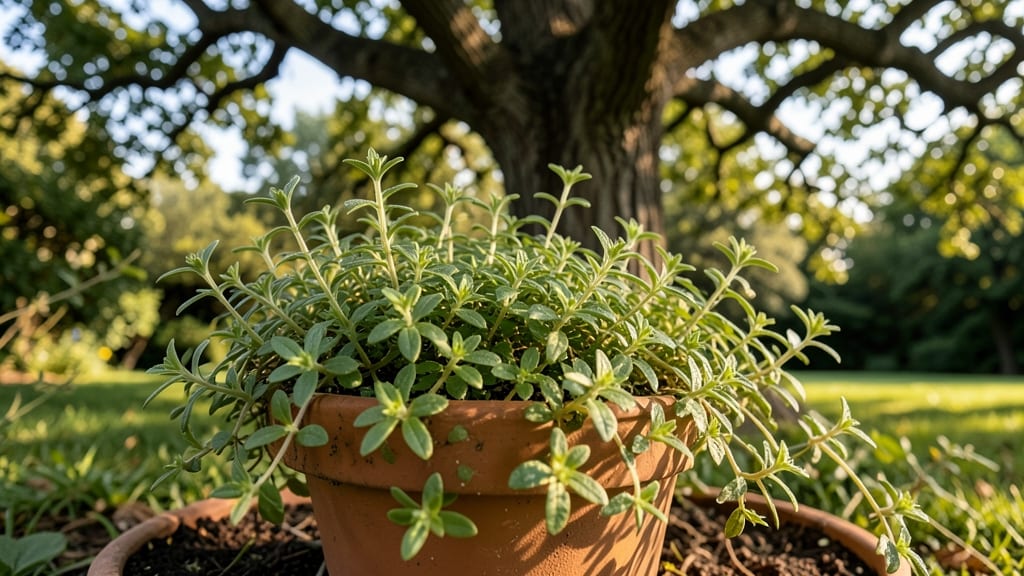
Not all herbs need six hours of sun to thrive—these shade-loving plants flourish in dimmer corners while packing serious flavor and fragrance. Perfect for urban apartments, north-facing windows, or woodland garden beds, these 10 herbs prove you don’t need a sunny windowsill to grow a lush kitchen garden.
Sweet Woodruff for Delicate Tea Blends
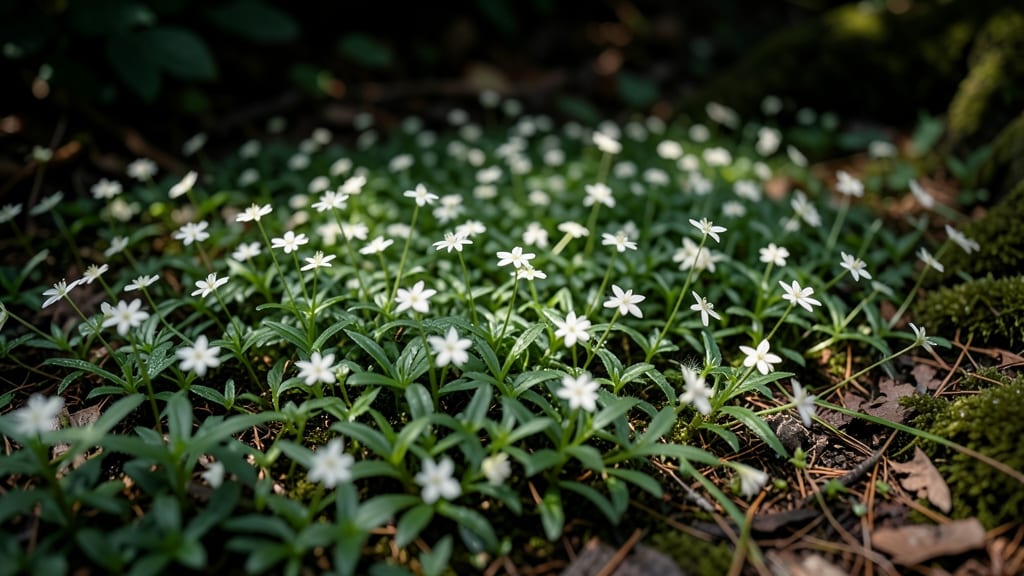
Transform your shady garden corners into a fragrant retreat with sweet woodruff (Galium odoratum), a delicate ground-cover herb that thrives in deep shade and spreads gently to create a lush, aromatic carpet. Its star-shaped white flowers bloom in late spring, releasing a sweet, vanilla-like scent when crushed—perfect for drying and blending into herbal teas.
This hardy perennial adapts to moist, well-drained soil and tolerates dappled sunlight or full shade, making it ideal for woodland edges, under trees, or along north-facing walls. It’s low-maintenance but spreads slowly, so you won’t need to battle invasive roots. Harvest leaves in spring for tea blends or let them dry to use as a natural potpourri.
Sweet woodruff is a must-try for gardeners with shady spots who love fragrant herbs—it’s equally at home in cottage gardens or urban containers. 🌿
Mint Varieties for Cool, Moist Spots
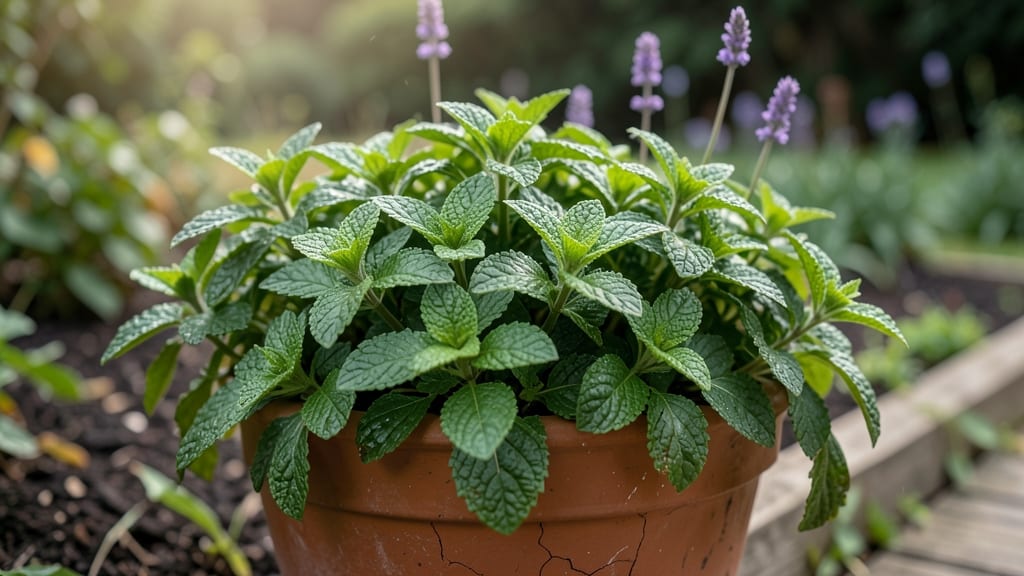
If you’ve ever struggled to grow herbs in shady spots, mint is your secret weapon—it doesn’t just survive in partial to full shade, it thrives there. Unlike many herbs, mint’s aggressive spread makes it ideal for containers or edging paths, where its vibrant green leaves and occasional purple flowers add a pop of color.
Choose from peppermint (classic cool flavor), spearmint (lighter and sweeter), or pineapple mint (fruity aroma) for variety. Plant in well-draining soil and keep it consistently moist, as mint dislikes drying out. Harvest leaves regularly to encourage bushier growth and prevent it from taking over your garden—unless, of course, you want a lush, fragrant ground cover! 🌿
Lemon Balm for Citrusy Shade Gardens
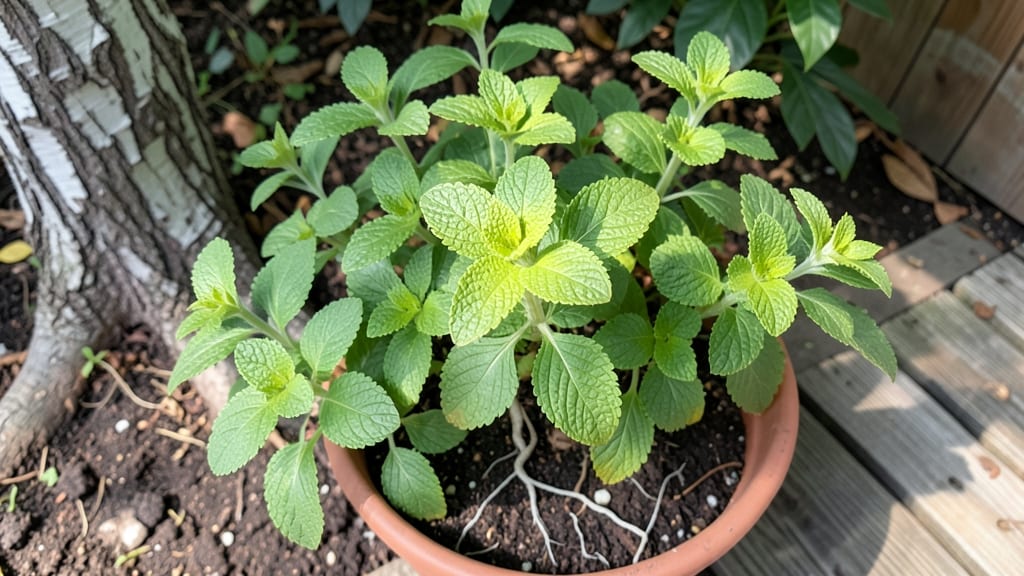
If you love the scent of fresh lemon but lack a sunny spot for traditional citrus trees, lemon balm is your perfect shade-loving solution. This hardy perennial thrives in partial to full shade, making it ideal for woodland gardens, under trees, or even containers on shaded patios.
With its lemon-scented leaves, lemon balm doubles as a natural pest repellent—plant it near roses or vegetables to deter aphids and mosquitoes. Once established, it’s drought-tolerant, requiring minimal watering after the first year. Harvest leaves throughout the growing season for calming tea blends or to add a bright citrus note to dishes.
Urban gardeners and pollinator enthusiasts will love this low-maintenance herb—its white flowers attract bees while its fragrant foliage keeps pests at bay. 💚
Chives for Low-Light Culinary Use
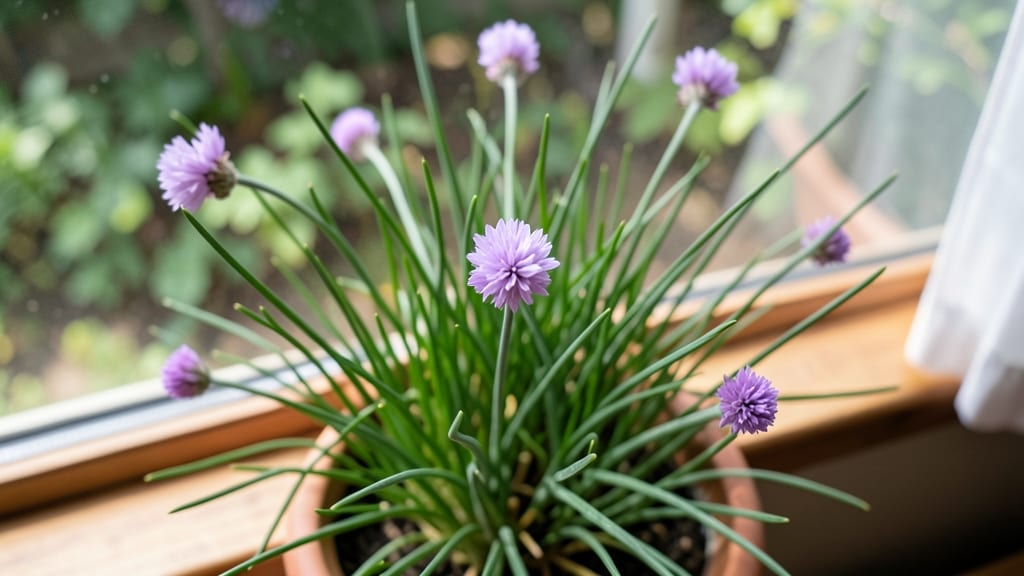
Looking for a culinary herb that thrives in partial shade while adding beauty and flavor to your garden? Chives are your answer—this versatile, low-maintenance herb produces mild onion-flavored leaves and stunning edible purple flowers, making it a dual-purpose star for shade gardens.
Chives tolerate 3-6 hours of sun and even perform well in dappled shade, making them ideal for containers on shaded patios or as a border plant in woodland gardens. Their grass-like foliage stays lush with minimal care, and they regrow quickly after harvesting—simply snip leaves from the base, leaving the roots intact for continuous production. The delicate purple blooms (which appear in late spring) are a bonus for pollinators and can be snipped for garnishes or dried for potpourri.
Perfect for urban gardeners or anyone with limited sun, chives are beginner-friendly and add a subtle, fresh flavor to dishes while brightening up shady corners. 💚
Parsley for Shady Herb Beds
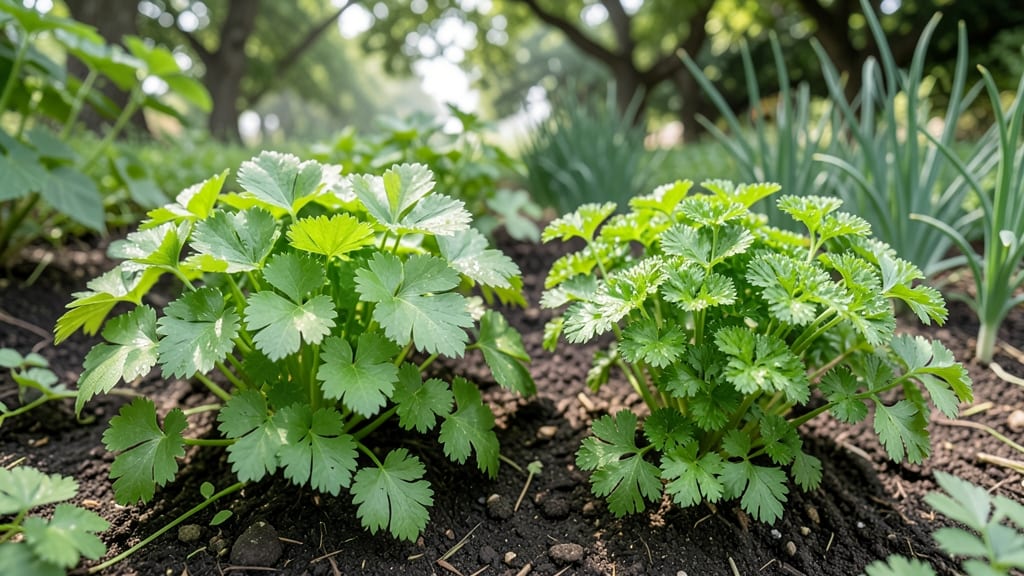
Brighten up your shady herb beds with parsley, a versatile biennial that thrives in partial shade—perfect for gardeners with limited sunlight. Both curly and flat-leaf varieties grow well in 3–6 hours of indirect light, making them ideal for culinary use without the risk of bolting in cooler conditions.
Parsley’s vibrant green foliage provides a striking contrast to darker garden areas, while its slow growth rate ensures it stays lush and productive. Plant in well-draining soil—rich in organic matter—and keep the soil consistently moist for best results. Harvest leaves regularly to encourage bushier growth, and use them fresh in salads, soups, or as a garnish.
This hardy herb is a must-have for urban gardeners and beginners—it’s low-maintenance, pest-resistant, and adds both beauty and flavor to your garden. 🌱
Cilantro for Cool, Humid Conditions
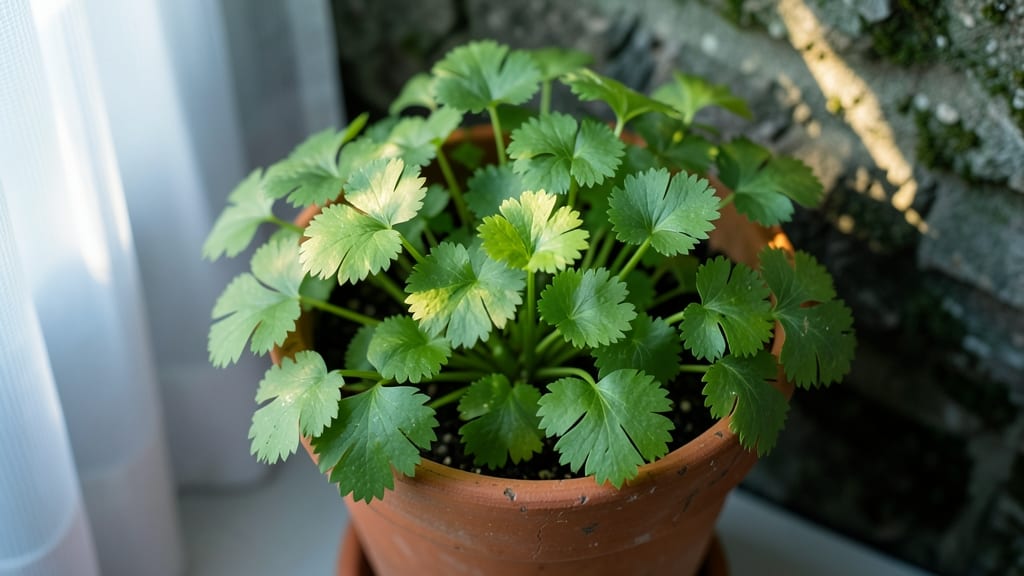
If you’ve ever struggled to grow cilantro in hot, sunny climates, try planting it in partial shade instead—this fast-growing annual actually thrives in cooler, humid conditions where it produces lush, flavorful leaves without bolting prematurely. Unlike many herbs, cilantro adapts well to morning sun with afternoon shade, making it ideal for shaded patios, north-facing garden beds, or even indoor windowsills with bright, indirect light.
To keep your cilantro producing abundant leaves for salsas, soups, and garnishes, harvest outer leaves frequently (every 2-3 weeks) to encourage regrowth. Avoid letting it flower, as this triggers bolting—the process where the plant sends up a tall stalk and becomes bitter. For hot climates, mulch around the base to retain moisture and prevent soil from drying out too quickly. Plant seeds every 2-3 weeks for a continuous harvest from spring until fall.
This herb is a game-changer for gardeners in humid regions or those with limited sun—it’s quick to grow (ready in just 3-4 weeks), packed with nutrients, and adds a bright, fresh flavor to dishes without the fuss. 🌱
Lavender for Partial Shade Varieties
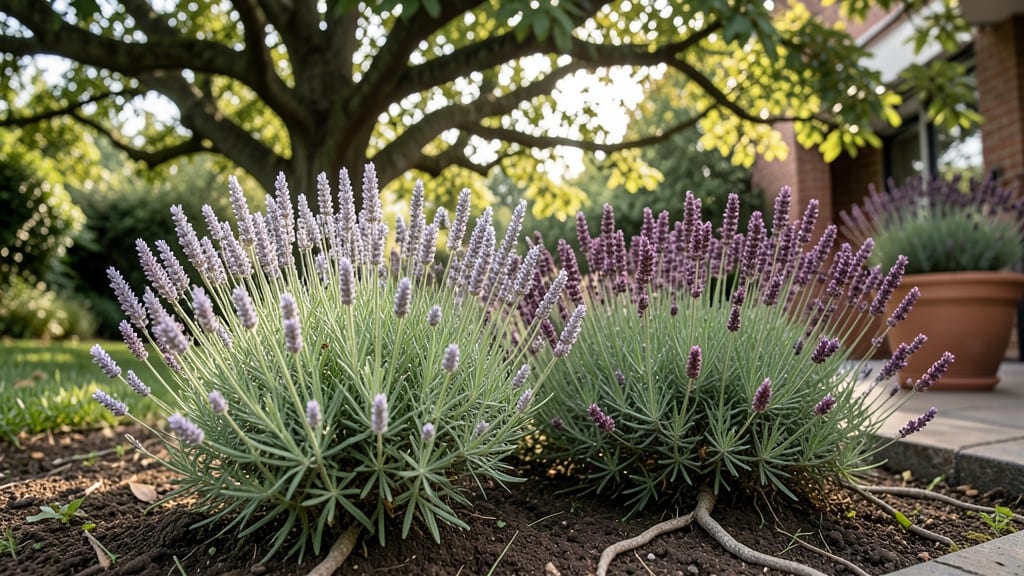
Skip the sunny spot and bring lavender’s signature elegance to your shady garden with varieties like 'Munstead' and 'Hidcote'. These shade-tolerant cultivars thrive with just 3-4 hours of filtered sunlight, making them perfect for north-facing beds, under trees, or even containers on shaded patios.
Unlike their sun-loving cousins, these lavenders produce fragrant purple blooms that attract bees while releasing a calming scent that repels mosquitoes. Plant them in well-draining soil with a slight alkaline pH (6.7-7.3) to prevent root rot, and prune lightly after flowering to maintain their compact shape. Their silvery foliage also adds texture to shady borders, creating a sophisticated look without sacrificing their signature aroma.
Ideal for gardeners with limited sun, these varieties prove you don’t need full sun for lavender’s signature beauty and benefits. 🌷
Oregano for Moist, Shady Soil
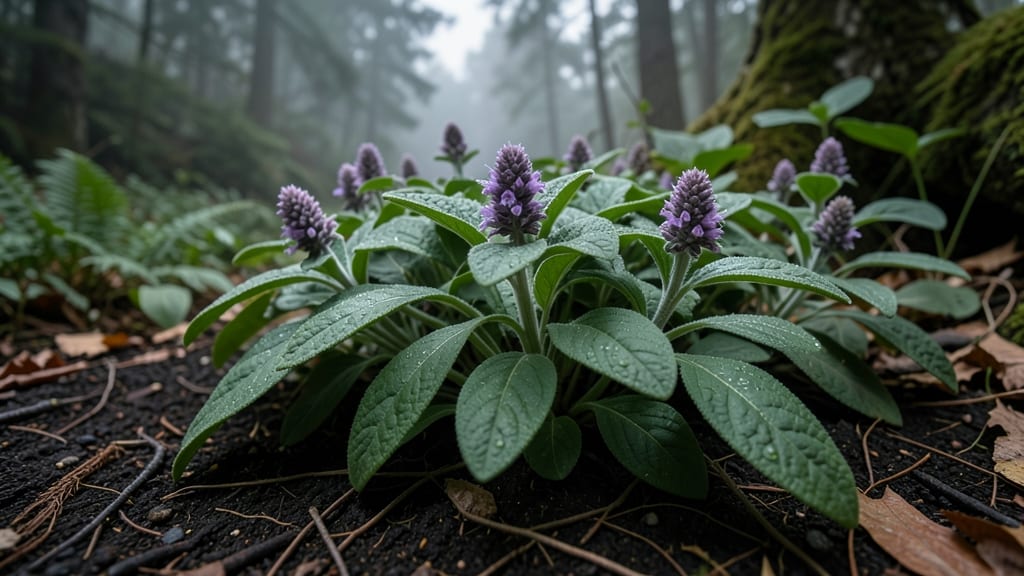
Skip the traditional sun-loving oregano—Greek oregano (Origanum vulgare hirtum) is the shade hero you’ve been missing. Unlike its Italian cousin, this variety thrives in moist, well-drained soil and tolerates partial to full shade, making it perfect for woodland gardens or north-facing beds where other herbs struggle.
Its earthy, robust flavor (stronger than Italian oregano) shines in pesto, marinades, and Mediterranean dishes, while its spreading habit creates a fragrant, low-maintenance ground cover. Plant it in dappled sunlight or deep shade—just avoid soggy soil to prevent root rot. Prune regularly to encourage bushiness, and harvest leaves before flowering for peak flavor.
Woodland gardeners and urban growers with shady patios will love this hardy perennial—it’s the secret to flavorful herbs without the sun requirement. 🌿
Thyme for Rock Gardens and Shade
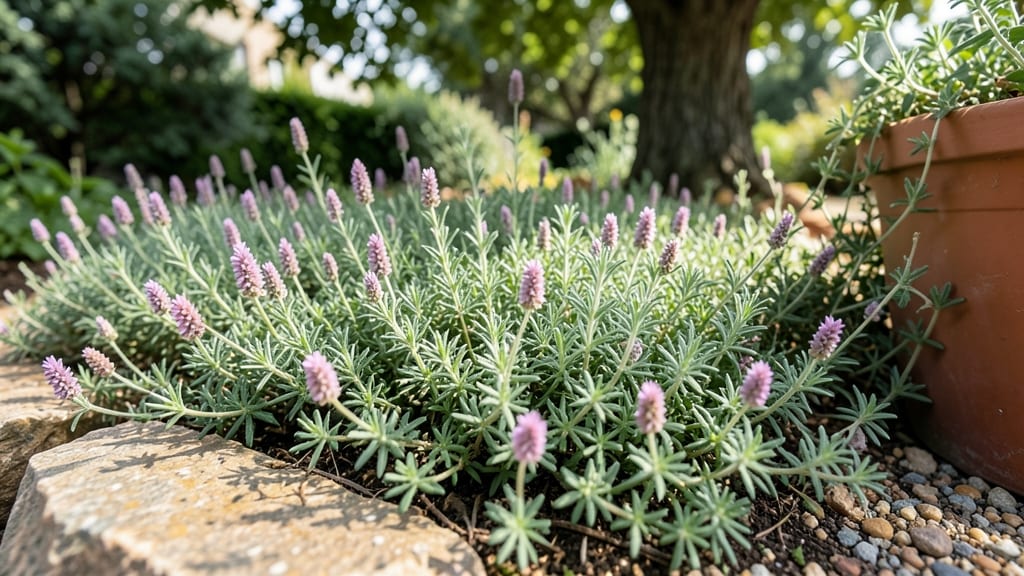
Turn your rocky garden or shady patio into a fragrant haven with creeping thyme—a versatile, low-growing herb that thrives where others fail. Varieties like 'Elfin' and 'Woolly' spread beautifully in partial shade and rocky, well-draining soils, making them perfect for ground cover or container gardens. Their tiny, aromatic leaves release a woodsy scent when brushed, while delicate pink flowers add a pop of color in late spring.
This hardy perennial requires minimal care: water sparingly once established (it’s drought-tolerant), and prune lightly after flowering to maintain its lush carpet. Plant in full to partial sun (even dappled shade works) and mix with sedum or moss for a textured, pollinator-friendly display. Harvest leaves anytime for culinary use or let them dry for potpourri—just avoid over-trimming to preserve its spreading habit.
Ideal for rock gardens, alpine beds, or containers, creeping thyme is a game-changer for gardeners with tricky spots. Its resilience and fragrance make it a must-have for both practical and ornamental shade gardens. 🌿
Lemon Thyme for Bright Shade Spots

Brighten up your shady garden corners with lemon thyme, a fragrant hybrid that combines the best of thyme and lemon balm. Unlike its sun-loving relatives, this versatile herb thrives in partial shade, making it perfect for containers, borders, or even under trees where other herbs struggle.
With its bright green, lemon-scented leaves, lemon thyme adds a zesty twist to dishes like fish, poultry, or salads. It’s also drought-tolerant once established, requiring only occasional watering. Plant it in well-draining soil and pinch back flowers to encourage bushier growth—ideal for urban balconies or woodland garden edges.
This dual-purpose herb is a must-have for gardeners with limited sun who crave flavor and fragrance. Its low-maintenance nature and citrusy aroma make it a standout for both culinary and ornamental use. 🌿