
Shrubs
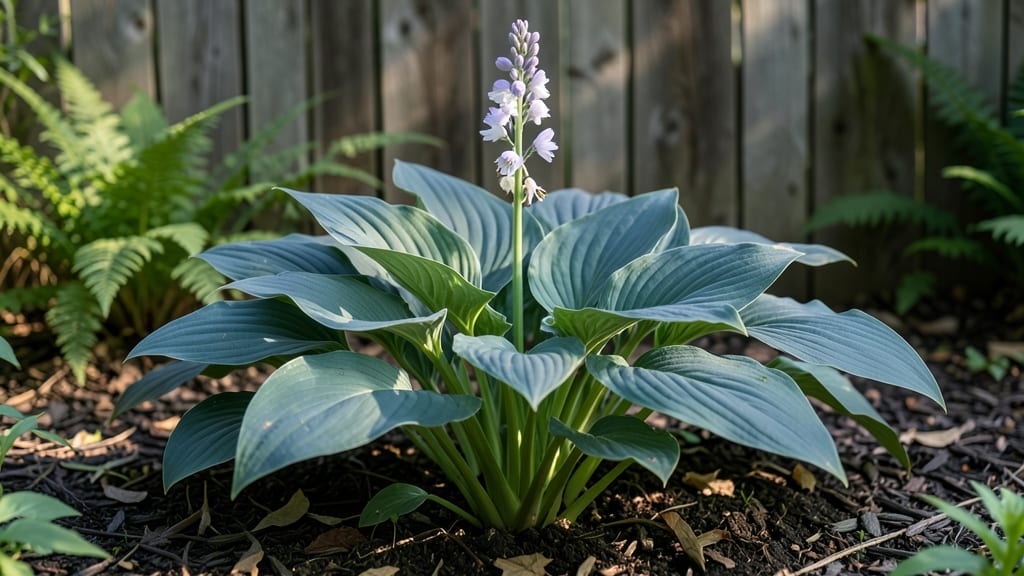
Shade gardens don't have to be all ferns and hostas—hearty perennials for shade can create bold, textured drama that outshines the competition. 🌿 I've spent years hunting for plants that refuse to fade under tree canopies, and these are the ones that consistently deliver height, structure, and year-after-year reliability without demanding perfect conditions.
The secret to their success? Most thrive in partial to full shade (3-6 hours of sunlight) and tolerate moist, well-drained soil—no fancy amendments required. Think tall astilbes reaching 3 feet with feathery plumes, ligularia with giant, elephant-ear leaves, and Japanese painted ferns that add delicate contrast.
These plants grow 2-4 feet tall, making them perfect for back borders, woodland edges, or even container arrangements.
By mixing textures—velvety heuchera leaves with spiky gunnera foliage—you'll create depth that feels intentional, not accidental. They handle drought better than most shade plants, and their roots spread slowly, so they won't crowd out neighbors.
The best part? Once established, they multiply every few years, giving you free plants to share or expand your garden.
Whether you're filling a woodland garden, brightening a dark corner, or adding height to a shady patio, these perennials deliver structure, color, and drama without the fuss. Let's dive into the specific varieties that work best in your space—some you'll recognize, others you'll want to try immediately.
📚 In This Guide
- What you need
- Instructions
- Tips and common mistakes
- Wrapping up and next steps
What you need
- ● Perennial plants: Choose from shade-tolerant varieties like Hosta, Astilbe, Hellebore, Ferns, or Lungwort. Aim for 3–5 mature plants per 10 sq. ft. for full coverage.
- ● High-quality potting soil: 50 lbs. (or enough to fill planting holes). Opt for a moisture-retentive, well-draining mix (e.g., 60% topsoil, 30% compost, 10% perlite).
- ● Organic mulch: 2–3 inches of shredded bark, wood chips, or pine straw to retain moisture and suppress weeds.
- ● Slow-release fertilizer: 10–20 lbs. of a balanced, shade-friendly formula (10-10-10 or 5-10-10) to kickstart growth.
- ● Watering can or hose: With a gentle spray nozzle to avoid disturbing soil.
- ● Garden trowel or hand shovel: For digging holes 2x wider and as deep as the root ball.
- ● Pruning shears: Bypass-style (sharp, clean cuts) for trimming dead foliage or shaping plants.
- ● Garden gloves: Heavy-duty to protect against thorns (e.g., Hellebore) and soil-borne pathogens.
- ● Measuring tape or ruler: To ensure proper spacing (12–36 inches apart, depending on the plant).
- ○ Optional but helpful: Soil pH test kit (aim for 6.0–7.0 for most shade perennials).
- ● Compost activator (e.g., kelp meal) for nutrient boosts.
- ● Drip irrigation kit for low-maintenance watering.
- ● Site assessment: Confirm your shade level (full shade = <3 hrs. sun, partial shade = 3–6 hrs.). Adjust plant choices accordingly!
- ● Soil prep: Amend heavy clay or sandy soil 2–3 weeks before planting for optimal root growth.
- ● Weather check: Plant on a cool, overcast day or in early spring/fall to reduce transplant shock.
How to design a stunning shade garden with towering, low-maintenance perennials
Here’s how I create lush, textured shade gardens that thrive without fuss—using plants that grow tall, stay healthy, and outperform in deep shadows.
🌿 Step 1: Select the Right Towering Perennials for Your Shade Level
Start by assessing your shade: deep shade (less than 3 hours of sunlight) favors hostas, ferns, and astilbes, while partial shade (3-6 hours) supports foxgloves, lungwort, and Japanese painted ferns. I always choose plants with bold foliage—like Hosta ‘Blue Angel’ or Astilbe ‘Fanal’—because their textures create drama even without flowers.
For height variation, pair 3-4 foot astilbes with 2-foot hostas and 1-foot ajuga as a ground cover. This layered approach prevents a flat look. Avoid leggy plants like coleus—they flop in shade and require constant staking. Instead, opt for self-supporting varieties like heuchera or cimicifuga (bugbane), which grow 4-6 feet tall without support.
☀️ Step 2: Prepare the Soil for Moisture Retention and Drainage
Shade perennials hate soggy roots but need consistent moisture. Amend your soil with 3 inches of compost and 2 inches of perlite or coarse sand to improve drainage. I dig in 1-2 inches of worm castings for extra nutrients—this boosts root health without overfeeding. Test your soil’s pH: most shade-lovers prefer 6.0-7.0, but azaleas and rhododendrons thrive in acidic (5.0-6.0) soil.
If your soil is clay-heavy, mix in peat moss to lighten it. Compacted soil suffocates roots, leading to yellowing leaves. After amending, water deeply to settle everything. The goal is loose, crumbly soil that holds moisture but doesn’t stay waterlogged.
🪴 Step 3: Plant in Clusters for Maximum Impact
Group 3-5 plants of the same variety together to create a bold visual statement. For example, plant five astilbes in a 2-foot circle—this mimics their natural growth habit and fills space faster. Space hostas 18-24 inches apart and ferns 12-18 inches apart to allow airflow and prevent fungal diseases like powdery mildew.
Dig holes twice as wide as the root ball but only as deep. Place the plant so the top of the root ball sits 1 inch below soil level—this prevents crown rot. Backfill with native soil mixed with compost, then water deeply to eliminate air pockets. Mulch with 2-3 inches of shredded bark to retain moisture and suppress weeds.
💧 Step 4: Water Deeply and Adjust Care for Shade Conditions
Water newly planted perennials every 2-3 days until established (about 6-8 weeks). Shade gardens dry out slower than sun gardens, but containerized plants still need regular checks. Water at the base, not overhead, to avoid fungal spores splashing onto leaves. You’ll know moisture is right when the top inch of soil feels damp but not soggy.
Fertilize lightly in early spring with a balanced 10-10-10 formula. Over-fertilizing leads to weak stems and excessive leaf growth at the expense of flowers. I skip summer fertilizing—shade plants grow slower and don’t need extra nutrients. Instead, focus on removing spent blooms to encourage more flowers.
✂️ Step 5: Prune Strategically for Year-Round Interest
Cut back dead or damaged foliage in early spring before new growth emerges. For grasses like carex or ornamental miscanthus, trim 2/3 of the plant in late winter to encourage fresh, upright growth. Never cut back evergreens like heuchera—their foliage provides winter interest.
Divide crowded perennials like hostas or astilbes every 3-4 years in early spring or fall. Dig up the plant, separate the root clumps, and replant the healthiest sections. This rejuvenates growth and prevents disease. If you see yellowing leaves in summer, it’s often a sign of overwatering—let the soil dry out slightly before watering again.
Tips & tricks for perfect shade garden design
These game-changing strategies will help you create a thriving, visually stunning shade garden that stands out year after year.
Plant Selection Strategy: When choosing towering perennials for your shade garden, prioritize plants with architectural foliage that holds up well in low light. For example, the Hosta 'Blue Angel' reaches 3-4 feet with striking blue-green leaves that provide dramatic contrast, while Astilbe 'Fanal' adds feathery texture and blooms that last all summer. I've found that pairing 4-6 foot cimicifuga (bugbane) with 2-foot heuchera creates stunning vertical layers that draw the eye upward—this vertical dimension makes even deep shade gardens feel expansive.
Soil Prep Secret: The 3 inches of compost and 2 inches of perlite combination I recommend isn't just about drainage—it's about creating the perfect moisture-retaining environment for shade plants. For clay-heavy soils, I've discovered that adding peat moss (about 2 inches mixed into the top 6 inches) dramatically improves aeration while maintaining moisture. Pro tip: After amending, water deeply and let it settle for 24 hours before planting—this helps the soil structure stabilize and prevents root displacement when you plant.
Planting Layout Technique: The 2-foot circle for planting five astilbes isn't just about aesthetics—it's about mimicking their natural growth pattern. This tight grouping creates a full, lush look immediately while allowing each plant enough space to develop its full 3-4 foot height without crowding. For hostas, I've learned that spacing them 18-24 inches apart prevents fungal issues by ensuring proper airflow, while still creating that coveted "spiller" effect when they mature. The key is to plant in odd-numbered clusters—it creates visual balance that even-numbered groupings lack.
Long-Term Maintenance Hack: That 2-3 inches of shredded bark mulch isn't just for looks—it's a crucial moisture retention tool that also suppresses weeds. I've found that applying it right after planting creates a microclimate that keeps roots consistently moist during the critical 6-8 week establishment period. For containerized plants, I double the mulch thickness (to 4-5 inches) since they dry out faster. And here's a bonus: Refresh the mulch annually in early spring—it breaks down completely over winter and needs replacement to maintain its protective properties.
Pro Tips for Hearty Perennials Shade
- These game-changing strategies will help you create a thriving, visually stunning shade garden that stands out year after year.
- Plant Selection Strategy: When choosing towering perennials for your shade garden, prioritize plants with architectural foliage that holds up well in low light.
- Soil Prep Secret: The 3 inches of compost and 2 inches of perlite combination I recommend isn't just about drainage—it's about creating the perfect moisture-retaining environment for shade plants.
Frequently asked questions
Got questions about thriving perennials in shady spots? You’re not alone! Here are some of the most common concerns—and their solutions—to help you create a lush, low-maintenance shade garden that actually works.
What are the easiest perennials to grow in deep shade?
Look for heucyclus, lungwort (Pulmonaria), and Japanese painted fern (Athyrium)—they’re tough, adaptable, and thrive with minimal sunlight. For bold textures, try hostas with thick foliage or foamflower (Tiarella). These plants handle moisture, slow drainage, and even partial shade like pros!
When is the best time to plant shade-loving perennials?
Spring (after the last frost) or early fall (6–8 weeks before the first frost) are ideal. Spring planting gives roots time to establish before summer heat, while fall planting lets them settle in before winter dormancy. Avoid planting in extreme heat or freezing temps—root shock is real!
How often should I water newly planted shade perennials?
Water deeply 2–3 times per week for the first month, then taper to 1–2 times weekly once established (check soil moisture—top 1–2 inches should be dry). Mulch heavily (3–4 inches) to retain moisture and suppress weeds. Overwatering is worse than underwatering—drainage matters in shade!
Why are my shade perennials turning yellow or leggy?
Yellowing leaves? Likely overwatering, poor drainage, or too much shade. Leggy growth? They’re stretching for light. Try thinning nearby plants, improving soil aeration, or adding a light-reflecting surface (like a white wall) nearby. Fertilize lightly in spring with balanced 10-10-10—too much nitrogen = more problems!
Can I mix shade perennials with ferns or grasses?
Pair hostas or astilbes with Japanese forest grass (Hakonechloa) or Christmas fern (Polystichum) for layered texture. Just ensure all plants have similar moisture and light needs. Pro tip: Dwarf varieties (like Hosta ‘Blue Angel’) work great in containers or along borders!
Wrapping up and next steps
Transforming your shady garden into a lush, thriving oasis is easier—and more rewarding—than you think! 🌿 With the right hearty perennials for shade, you can create bold textures and year-round beauty that defies even the deepest shadows.
From Hosta to Hellebore, these plants prove that shade gardens aren’t just green—they’re vibrant, resilient, and full of personality.
Ready to take the next step? Start small—pick one or two standout perennials from this list, test your soil, and give them the love they deserve. Before you know it, your shady spots will be the envy of the neighborhood! Grab your gloves and get planting! 🌱