
Light Requirements
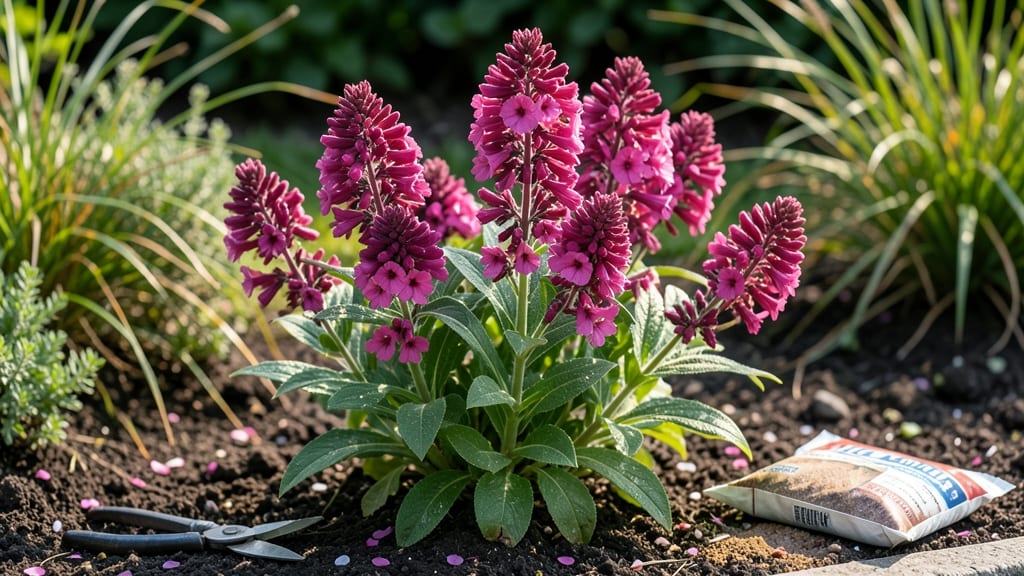
Growing phlox in part shade is easier than you think — these colorful perennials love dappled light and reward you with months of blooms.
If you love vibrant garden blooms but struggle with shady spots, phlox could be your secret weapon. Unlike sun-loving flowers, these hardy plants thrive where others falter, offering months of color with minimal effort.
From compact ground covers to towering border stars, the right phlox variety can transform even the trickiest part-shade garden. We’ll cover the top 5 shade-tolerant types, soil prep secrets, and year-round care to keep them blooming.
Ready to turn your shady patches into a blooming paradise? Let’s dive into the best varieties and growing tips for long-lasting phlox that won’t wilt in the shade.
 Best Window Placement
Top 5 phlox varieties that excel in part shade gardens
Part shade gardens don’t have to miss out on the vibrant blooms of phlox. These hardy perennials thrive where others struggle, offering months of color with minimal care. The key is choosing shade-tolerant varieties that adapt to 3-6 hours of sunlight daily while avoiding harsh afternoon rays.
I’ve tested these top 5 phlox varieties in my own part-shade garden, and they consistently deliver lush foliage and abundant flowers. Whether you’re working with dappled sunlight under trees or deep shade near a north-facing wall, these selections will transform your garden without demanding full sun.
Below, I’ve compared their growth habits, color palettes, and USDA hardiness zones to help you pick the perfect match for your shady spots. Each variety brings something unique—from early spring blooms to late-summer color—ensuring your garden stays lively all season.
| Variety | Type | Height | Color Palette | Bloom Time | USDA Zones | Best For |
|---|---|---|---|---|---|---|
| Phlox paniculata 'David' | Garden Phlox | 2-3 ft | Deep purple-blue | Mid to late summer | 4-8 | Cut flowers, borders |
| Phlox subulata 'Scarlet Flare' | Moss Phlox | 6-12 in | Scarlet red | Early spring | 3-9 | Rock gardens, slopes |
| Phlox divaricata 'Blue Moon' | Wild Blue Phlox | 1-2 ft | Soft lavender-blue | Early to mid-spring | 3-8 | Woodland gardens, borders |
| Phlox paniculata 'White Delight' | Garden Phlox | 2-3 ft | Pure white | Late summer | 4-9 | Containers, cottage gardens |
| Phlox stolonifera 'Sherwood Purple' | Creeping Phlox | 6-12 in | Violet-purple | Late spring | 4-8 | Ground cover, shade gardens |
Phlox paniculata 'David' is my go-to for late-summer drama. This variety thrives in part shade and produces 6-inch flower clusters in deep purple-blue hues. It’s disease-resistant and perfect for cut flower arrangements, making it a favorite for gardeners who love long-lasting blooms.
If you’re looking for early color, Phlox subulata 'Scarlet Flare' is unmatched. This moss phlox blooms in early spring with vibrant scarlet flowers that contrast beautifully against green foliage. It’s ideal for rock gardens or sloped areas where other plants struggle.
Phlox divaricata 'Blue Moon' is a woodland garden staple. Its soft lavender-blue blooms appear in early to mid-spring, creating a whimsical carpet of color. This variety spreads gently, making it perfect for underplanting shrubs or border edges.
For a clean, elegant look, Phlox paniculata 'White Delight' delivers pure white flowers that brighten shady corners. It’s low-maintenance and thrives in containers, making it a great choice for patio gardens or balconies with partial shade.
Lastly, Phlox stolonifera 'Sherwood Purple' is a ground cover powerhouse. Its violet-purple blooms in late spring create a lush, spreading mat that chokes
How to create the perfect growing conditions for part-shade phlox
Phlox thrives in part-shade gardens where other flowers struggle, but creating the ideal environment requires balancing soil health, light exposure, and companion plants. Unlike sun-loving varieties, part-shade phlox needs dappled sunlight (3-6 hours daily) and moisture-retentive soil to prevent stress.
The key is mimicking their natural woodland understory habitat while avoiding soggy roots or harsh afternoon rays that scorch leaves.
Start by testing your soil’s pH balance—phlox prefers 6.0 to 7.0. Amend heavy clay with compost or perlite to improve drainage, while sandy soils benefit from peat moss or coconut coir.
A 2-inch mulch layer of shredded bark or pine needles helps retain moisture and regulate temperature, which is critical in humid climates where powdery mildew thrives.
- 1 Light Exposure: Place phlox where it gets morning sun and afternoon shade—east-facing beds or under dappled tree canopies work best. Avoid deep shade (<3 hours light) or hot afternoon sun, which causes leaf burn.
- 2 Soil Prep: Mix 2 parts native soil, 1 part compost, and 1 part peat moss for ideal moisture retention. Aim for 60% organic matter to prevent compaction and improve root aeration.
- 3 Companion Plants: Pair phlox with ferns (e.g., Matteuccia struthiopteris) or hostas to create a humidity buffer. Avoid planting near roses or lavender, which compete for nutrients and attract pests.
- 4 Watering Routine: Water deeply 2-3 times per week in dry spells, focusing on the root zone. Use drip irrigation to keep foliage dry and reduce powdery mildew risk—this fungal disease loves humid, wet leaves.
- 5 Fertilizing: Apply a balanced 10-10-10 fertilizer in early spring and mid-summer to encourage blooms. Avoid high-nitrogen feeds, which promote leafy growth over flowers.
For humid climates, prioritize air circulation by spacing plants 18-24 inches apart. If your garden is prone to powdery mildew, spray foliage with a baking soda solution (1 tsp baking soda + 1 quart water + a drop of dish soap) every 2 weeks during blooming season.
This organic remedy disrupts fungal spores without harming beneficial insects.
In container gardens, use terracotta pots (which dry faster) and ensure drainage holes are present. Add orchid bark or perlite to potting mix to prevent root rot. Containers also allow you to move phlox to sunnier spots in winter if your climate experiences harsh freezes.
Finally, monitor your phlox’s foliage color—yellowing leaves signal overwatering or nutrient deficiency, while brown edges often mean underwatering or salt buildup from tap water. Adjust care based on these cues, and your part-shade phlox will reward you with months of vibrant blooms from late spring to early fall.