
Light Requirements
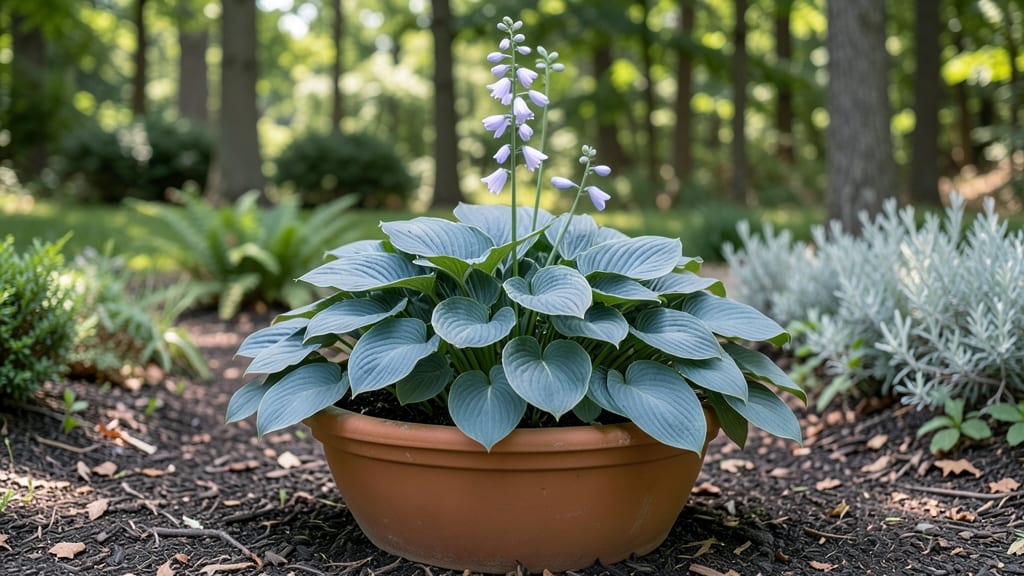
Full shade perennials bring vibrant life where others fail—under oak trees, along north-facing walls, or in dense woodland gardens. 🌿 I’ve designed entire shade gardens that bloom from spring through frost, using plants that thrive where sunlight barely reaches.
The secret isn’t forcing growth; it’s choosing the right players for the stage. These perennials deliver textured foliage and bold blooms without demanding full sun. Think heuchera with its jewel-toned leaves, astilbe for feathery plumes, or hostas that stay lush even in deep shade.
Layer them by height—tall ferns in back, mid-height coral bells in the middle, and low sweet woodruff spilling at the front—for a lush, layered look that feels intentional.
By summer, your shade garden will hum with butterflies and hummingbirds, drawn to the neon blooms of toad lilies and the fragrant clusters of foamflowers. The best part? These plants multiply over time, filling in gaps naturally and reducing maintenance.
No more bare spots—just year-round interest that keeps evolving. Works in zones 3-9, from city courtyards to forest edges. Let’s build a shade garden that outperforms expectations—without a single ray of direct sun.
📚 In This Guide
- What you need
- Instructions
- Tips and common mistakes
- Wrapping up and next steps
What you need
- ● Full shade perennials: Choose 3–5 varieties (e.g., Hosta, Heuchera, Astilbe, Ferns, or Bleeding Heart). Aim for 1–3 plants per square foot for a dense, thriving look.
- ● High-quality potting soil or compost: 2–3 bags (50 lbs each) for amending native soil. Look for organic matter-rich blends to improve drainage.
- ● Mulch: 2–3 cubic feet of shredded bark or pine needles (2–3 inches deep) to retain moisture and suppress weeds.
- ● Garden gloves and knee pads: Protect your hands and joints—trust us, your back will thank you! 😅
- ● Pruners or shears: Bypass pruners (for clean cuts) or felco pruners (for tough stems). Sanitize with rubbing alcohol.
- ● Watering can or hose with a gentle spray nozzle: Full shade plants need consistent moisture—aim for 1–1.5 inches per week.
- ● Slow-release fertilizer: 10-10-10 or 5-10-10 (apply once in early spring). Follow package rates!
- ● Soil pH test kit: Full shade plants often prefer slightly acidic to neutral soil (pH 6.0–7.0). Adjust with lime or sulfur if needed.
- ● Plant supports (for tall perennials):strong> Like bamboo stakes or tomato cages for Astilbe or Japanese Painted Fern.
- ● Edging tools: For a polished look, use a half-moon edger to define garden beds.
- ● Drip irrigation system: Automate watering for low-maintenance shade gardens.
- ● Location assessment: Confirm your spot gets less than 3 hours of direct sun daily. Use a sunlight tracker or observe shadows.
- ● Soil test: Check drainage—amend clay soil with compost or sand if needed.
- ● Planting timeline: Early spring or fall (avoid extreme heat or frost).
Step-by-step guide to designing a stunning full shade perennial garden
Here’s how I create vibrant shade gardens that bloom from spring to frost—no compromise on color or texture.
🌿 Step 1: Assess Your Shade Conditions
Not all shade is equal. Walk through your space at different times of day to determine if you have deep shade (less than 3 hours of filtered light) or partial shade (3-6 hours of light). Deep shade favors hostas, ferns, and lungwort, while partial shade opens up options like astilbes and bleeding hearts. I always mark the dripline of trees—this is where roots compete fiercely for moisture, so I avoid planting there.
Dig a small test hole to check soil drainage. If water pools after 10 minutes, amend with 2-3 inches of compost to improve aeration. I’ve seen shade gardens fail because the soil was too dense—roots can’t breathe, and plants wilt even with perfect light conditions.
🌱 Step 2: Select the Right Perennials for Layered Interest
For four-season appeal, I layer plants by height and bloom time. Start with 3-4 foot-tall structural plants like Japanese painted fern or goat’s beard as backdrops. Add mid-height bloomers like heuchera (for foliage) and astilbe (for summer fluff) at 18-24 inches. Finally, fill the front with ground covers like ajuga or sweet woodruff to suppress weeds and add texture.
Here’s my foolproof combo: Hostas (spring greenery), bleeding heart (spring blooms), coral bells (summer color), and sedge (winter structure). I avoid overcrowding—each plant should have 12-18 inches of space to mature without competing. Sketch your layout first; I’ve learned the hard way that cramming shade plants leads to fungal issues from poor airflow.
💧 Step 3: Amend Soil and Plant Strategically
Shade plants thrive in moist, well-draining soil with high organic matter. Mix 3-4 inches of compost into the top 6 inches of native soil before planting. For heavy clay, I add 1 part perlite to 3 parts soil to prevent compaction. Test soil pH—most shade perennials prefer slightly acidic to neutral (6.0-7.0). If your soil is alkaline, amend with sulfur or pine needles over time.
Plant on a cool, overcast day to reduce transplant shock. Dig holes twice as wide as the root ball but only as deep. Place each plant so the top of the root ball sits level with the soil surface—burying too deep suffocates roots. Water deeply immediately after planting to eliminate air pockets. Mulch with 2-3 inches of shredded bark to retain moisture and deter weeds.
☀️ Step 4: Maintain Moisture and Fertility
Shade gardens need consistent moisture—I water deeply twice weekly during the first growing season to establish roots. Once established, most shade perennials tolerate drought once roots are deep, but I never let the soil dry out completely. Use a soaker hose to water at the base and avoid wetting foliage, which reduces fungal risks like powdery mildew.
Fertilize lightly in early spring with a balanced, slow-release fertilizer (10-10-10). I skip summer feeding—too much nitrogen encourages leafy growth at the expense of blooms. Instead, top-dress with compost annually in fall to replenish nutrients. Deadhead spent blooms on astilbes and bleeding hearts to encourage a second flush of flowers, but leave seed heads on ornamental grasses for winter interest.
✂️ Step 5: Prune and Refresh Seasonally
Timing matters. Prune bleeding hearts and astilbes right after they bloom to maintain shape, but leave heuchera and hosta foliage until late winter—it provides winter structure. Cut back dead or yellowed leaves in early spring, but never prune into old wood unless necessary. I always sterilize my pruners with rubbing alcohol between cuts to prevent spreading disease.
Divide crowded perennials like hostas and ferns every 3-4 years in early spring or fall. Dig up clumps, separate into 3-5 inch sections, and replant immediately. This rejuvenates plants and prevents them from becoming woody or less vigorous. I’ve seen shade gardens decline because homeowners ignored this simple step—don’t make that mistake!
Tips & tricks for perfect full shade perennial gardens
Transforming underutilized shade spaces into lush, vibrant gardens takes more than just planting—it’s about strategic planning and avoiding common pitfalls. Here’s how I’ve perfected my approach over years of trial and error.
Light Assessment is Non-Negotiable: The 3-hour rule is your starting point, but don’t stop there. Observe your space at different times—morning sun might reach your area for 2-3 hours while afternoon light creates entirely different conditions. I’ve seen gardeners plant deep-shade lovers where partial shade actually exists, leading to underperforming foliage. Use a light meter app or simply track sunlight patterns with a notebook for 2 weeks before planning. This precision prevents costly mistakes.
Soil Testing Saves Time and Money: That 10-minute drainage test in Step 1 isn’t just about water pooling—it reveals soil composition. If your soil tests heavy clay, mix in 1 part perlite to 3 parts soil before amending with compost. I once spent $300 on shade plants that wilted because I ignored this step. For alkaline soils, pine needles (not just sulfur) create a more gradual pH adjustment. Test kits are inexpensive and prevent years of frustration with struggling plants.
Layering Strategy for Year-Round Interest: The 12-18 inch spacing recommendation isn’t arbitrary—it accounts for mature plant sizes while allowing airflow. I plot my garden on graph paper first, using 3-4 foot-tall plants as vertical anchors that draw the eye upward. For the front layer, I prioritize ajuga or sweet woodruff because they suppress weeds while adding delicate texture. Pro tip: Place heuchera behind bleeding hearts—the foliage contrast creates visual depth that flat layouts miss.
Maintenance Calendar Prevents Overwork: Mark your calendar for early spring fertilization and fall compost top-dressing—these are the only times I feed my shade garden. Summer feeding disrupts the natural cycle, while winter amendments can encourage late-season growth that won’t survive frost. I also schedule annual pruning right after bleeding hearts finish blooming (around mid-June in my zone), which keeps plants tidy without sacrificing next year’s flowers.
Pro Tips for Full Shade Perennials
- Transforming underutilized shade spaces into lush, vibrant gardens takes more than just planting—it’s about strategic planning and avoiding common pitfalls.
- Light Assessment is Non-Negotiable: The 3-hour rule is your starting point, but don’t stop there.
- Soil Testing Saves Time and Money: That 10-minute drainage test in Step 1 isn’t just about water pooling—it reveals soil composition.
Frequently asked questions
Got questions about full shade perennials?
You’re not alone! Here are answers to the most common ones to help you garden with confidence.
What are the easiest full shade perennials for beginners?
Start with Hosta, Astilbe, or Bleeding Heart—they’re hardy, low-maintenance, and thrive in deep shade. Lungwort and Japanese Painted Fern are also forgiving picks for shady spots.
When is the best time to plant full shade perennials?
Plant in early spring or fall (4–6 weeks before frost) for optimal root establishment. Avoid extreme heat or cold, which can stress plants. Pro tip: Water deeply after planting to reduce transplant shock!
Can full shade perennials survive without any sunlight?
Most need at least 2–4 hours of dappled light daily—true "no-sun" spots may require shade-tolerant annuals like Impatiens or Caladiums. Test your site with a light meter or observe shadows over time.
Why are my full shade perennials turning yellow or leggy?
Yellow leaves often signal overwatering or nutrient deficiency (try a balanced fertilizer). Leggy growth? They’re stretching for light—thin nearby branches or add a reflective mulch to boost brightness.
How do I prepare the soil under trees for full shade perennials?
Amend with organic matter (compost or peat moss) to improve drainage and aeration. Avoid compacted soil—use a broadfork to loosen roots. Pro tip: Mulch with wood chips to retain moisture and suppress weeds!
Wrapping up and next steps
Transforming shady spots into vibrant gardens is easier than you think! With the right full shade perennials, you can enjoy year-round beauty—even beneath the densest tree canopies. From bold Hosta foliage to delicate Bleeding Heart blooms, these plants prove that shade doesn’t mean boring.
Ready to get growing? Start small—pick one or two plants to test your space, then expand as you gain confidence. Happy gardening! 🌿✨