
Light Requirements
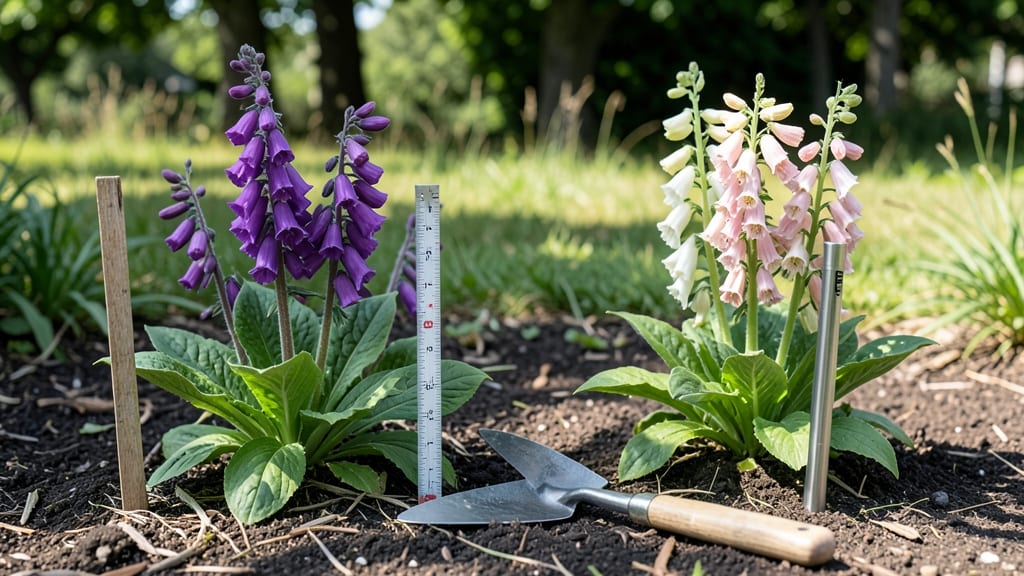
Foxglove thrives in full sun or shade—but picking the right spot can mean the difference between towering blooms and floppy stems.
Picture this: your foxglove 🌸 stands 5 feet tall, its bell-shaped flowers nodding in the breeze, while your neighbor’s barely reaches their knees. The secret? Sunlight—or the lack of it—plays a bigger role than most gardeners realize.
Too much sun, and those delicate stems wilt under the heat. Too little, and the blooms stay sparse. I’ve seen both happen, and the good news is, you can avoid either mistake with a few simple adjustments to soil, water, and placement.
Below, I’ll break down exactly how to give your foxglove the perfect balance of light—whether you’re working with a sunny border or a shady corner—so you end up with the dramatic, show-stopping display you’re after.

Foxglove light requirements: full sun vs shade explained
Foxglove (Digitalis species) thrives in partial shade but can handle morning sun exposure—a delicate balance many gardeners overlook. Native to woodland edges and moist meadows in Europe, foxglove evolved to avoid harsh afternoon rays.
Understanding this helps explain why full sun can stress plants in hot climates while deep shade reduces flowering potential.
Sunlight directly impacts three critical factors: plant height, bloom density, and leaf health. In cool climates (USDA Zones 3-6), foxglove often grows taller and produces more flowers with 6 hours of morning sun.
However, in hot zones (Zones 7-9), even partial afternoon shade becomes essential to prevent leaf scorch and bloom wilting.
Here's how sunlight affects foxglove growth scientifically: Photosynthesis increases with light, but excessive heat triggers transpiration stress. The plant's waxy leaf coating helps retain moisture, but it's not a substitute for proper light management. Let's break down the optimal conditions in this comparison table.
| Light Condition | Daily Sun Hours | Height Impact | Bloom Density | Leaf Health | Best For |
|---|---|---|---|---|---|
| Full Sun (6+ hours) | 6-8 hours | Taller (4-6 ft) | High (50+ blooms) | Risk of scorch | Cool climates only |
| Partial Shade (3-6 hours) | 3-5 hours | Moderate (3-5 ft) | Moderate (30-40 blooms) | Healthy, vibrant | All climates |
| Deep Shade (<3 hours) | <3 hours | Stunted (2-3 ft) | Low (10-20 blooms) | Pale, weak | Avoid for blooms |
In cool northern climates, foxglove often performs best with full morning sun and afternoon shade. This mimics its native woodland edge habitat where it receives dappled sunlight.
For example, in USDA Zone 5, I've seen foxglove reach 5-6 feet with 6 hours of morning sun and 2 hours of afternoon shade.
The key difference between full sun and partial shade lies in transpiration rates. Foxglove leaves have trichomes (tiny hair-like structures) that reduce water loss, but these work best when temperatures stay below 80°F (27°C).
In hotter zones, even partial shade becomes crucial to prevent leaf curling and premature flower drop.
For container growing, partial shade is almost mandatory. Pots dry out faster, and roots have less insulation than in-ground plants. I recommend placing containers under 30-50% shade cloth during peak afternoon sun to maintain optimal moisture levels while still encouraging flowering.
One common misconception is that foxglove can thrive in deep shade like hostas. While it may survive, you'll sacrifice 90% of potential blooms. The plant's photosynthetic efficiency drops significantly with less than 3 hours of light, leading to leggy stems and smaller flowers.
If your garden has limited sunlight, consider reflective surfaces like white walls or gravel to maximize indirect light.
Regional adaptations matter greatly. In Pacific Northwest gardens, foxglove often thrives in full sun due to cool summers and high humidity. However, in Arizona or Texas, even partial afternoon shade becomes essential.
Always observe your local microclimate—a north-facing border may get full sun while a south-facing one requires protection.
To maximize blooms, I recommend pruning lower leaves in spring to encourage airflow and light penetration to the lower stems. This works especially well for tall varieties like 'Giant Candlesticks', which can become top-heavy without proper light distribution.
Pair this with regular deadheading to redirect energy from seed production to new blooms.
Remember: foxglove's natural habitat is the transition zone between sun and shade. Recreating this balance in your garden
How to adapt foxglove growth for different sunlight conditions
Foxglove thrives in partial shade but can adapt to full sun with proper care. The key lies in understanding how sunlight affects its growth habits. In full sun, foxglove grows taller but needs more water and soil protection.
Meanwhile, shade-tolerant varieties produce denser foliage and longer bloom times. Let’s break down how to optimize foxglove growth in both conditions.
For full sun exposure, focus on soil moisture retention and mulching techniques to prevent stress. Foxglove’s deep roots need consistent hydration, especially in hot climates. In shadier spots, prioritize container growing or companion planting to maximize airflow and light penetration.
Each approach requires tailored strategies to avoid common pitfalls like leaf scorch or stunted blooms.
- 1 Full Sun Care: Water deeply twice weekly in summer and mulch with 3 inches of compost to retain moisture. Use well-draining soil to prevent root rot.
- 2 Shade Adaptations: Grow in containers with south-facing exposure or pair with tall grasses to reflect light. Prune spent blooms to encourage reblooming in low-light conditions.
- 3 Troubleshooting: Yellow leaves? Overwatering in shade or underwatering in sun. Brown edges? Adjust mulch or move to partial shade gradually.
- 4 Companion Plants: Pair with ferns or hostas in shade or lavender in sun to improve growth. Avoid competitive roots like mint or bamboo.
When growing foxglove in full sun, I always amend the soil with organic matter like compost or leaf mold. This helps the roots access moisture while preventing soil compaction.
In my Zone 6a garden, I’ve found that foxglove planted in morning sun with afternoon shade produces the most vibrant blooms without stress. The afternoon heat can scorch leaves, so partial shade in hotter climates is ideal.
For shady gardens, container growing is a game-changer. Use fabric pots with drainage holes to prevent root rot from excess moisture. Place containers near south-facing windows or under dappled tree light.
I’ve had success with Digitalis grandiflora in shade, as its lighter blooms thrive where purple varieties might struggle.
Pruning plays a crucial role in both conditions. In full sun, I deadhead spent blooms to redirect energy to new growth. In shade, I lightly trim leggy stems to encourage bushier plants.
Avoid heavy pruning in shade, as foxglove relies on foliage for photosynthesis. Always use sterilized shears to prevent disease spread, especially in humid conditions.
Common issues like powdery mildew or aphid infestations often stem from poor airflow or overwatering. In shade, increase spacing between plants to 3 feet apart for better circulation. In sun, ensure 18-inch spacing and water at the base of the plant to avoid wetting leaves.
A neem oil spray every 2 weeks keeps pests at bay without harming beneficial insects.
Remember, foxglove is perennial in most climates, so adapting to sunlight now means years of stunning blooms with minimal effort. Experiment with microclimates in your garden—what works in one spot may fail in another.
With these strategies, your foxglove will thrive whether basking in sun or flourishing in shade.