
Light Requirements
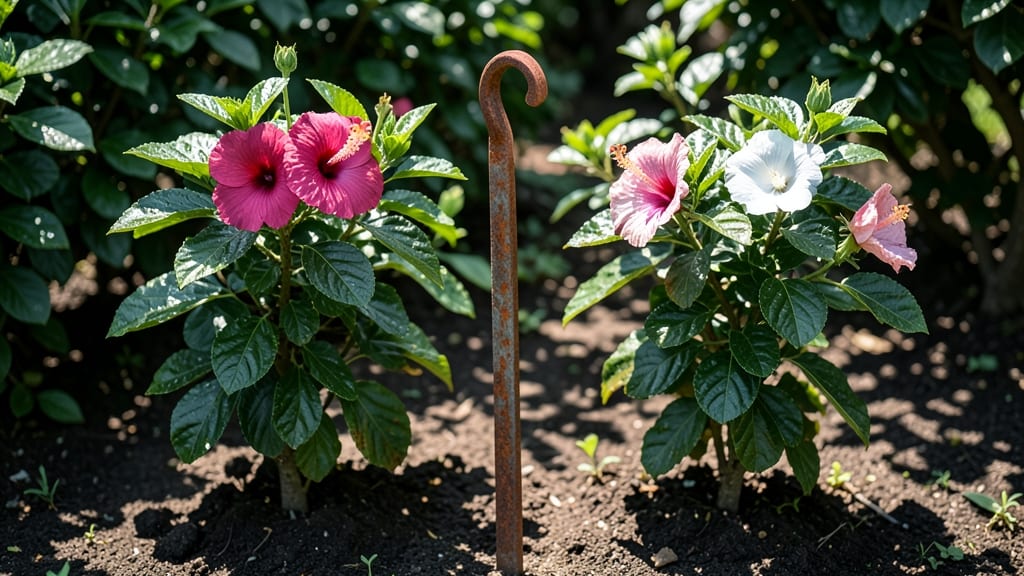
Deciding between hibiscus full sun or shade can make or break your plant’s blooms—and the right choice depends on your variety and climate.
Struggling to keep your hibiscus blooming? The battle between full sun and shade might be the key—and getting it wrong could mean fewer flowers and weaker growth. Tropical hibiscus thrives in bright light, while hardy types handle more shade, but even a slight misstep can stress your plant.
In USDA Zone 6a, where spring planting kicks off in April, hibiscus need at least 4–6 hours of sunlight daily to flourish. Too much sun can scorch leaves, while too little shade slows blooms. I’ll break down how to spot the signs and adjust care for your plant’s needs.
You’ll learn how to balance light for vibrant blooms, regional tweaks for heat or humidity, and simple fixes for leggy growth or leaf burn. Let’s get your hibiscus thriving!

Hibiscus light requirements: full sun vs. partial shade for optimal growth
Hibiscus plants are stunning additions to any garden, but their light requirements can be confusing. As someone who’s grown both tropical hibiscus and hardy hibiscus varieties, I’ve learned that getting the balance right between full sun and partial shade is key to vibrant blooms and healthy foliage.
Too much sun can scorch leaves, while too little shade can lead to sparse flowers and leggy growth. Let’s break down the specifics so you can give your hibiscus the perfect light conditions.
Most hibiscus varieties thrive in full sun exposure, meaning 6 to 8 hours of direct sunlight daily. However, in hotter climates like the Southwest U.S. or regions with intense summer heat, afternoon shade becomes crucial to prevent leaf burn.
Hardy hibiscus, like the Hibiscus moscheutos, can tolerate partial shade, especially in cooler climates where sunlight hours are limited. Understanding these nuances will help you avoid common mistakes that stunt growth or reduce blooms.
If you’re growing hibiscus in containers, light requirements change slightly. Container-grown hibiscus often need more frequent light adjustments because they can’t move to seek shade like in-ground plants.
For example, a tropical hibiscus in a pot on a patio might need to be moved to a shaded area during peak afternoon sun, especially in USDA Zones 8-10. In contrast, hardy hibiscus in containers can handle partial shade more easily, making them ideal for shadier patios or balconies.
One of the biggest mistakes I see is assuming all hibiscus love full sun without considering the intensity of sunlight. For instance, hibiscus grown in Zone 5 or colder may struggle with direct midday sun in summer, while the same plant thrives in Zone 9’s milder sunlight.
Always observe your plant’s leaves and blooms: if leaves curl or flowers wilt quickly, it’s a sign of too much sun. Conversely, if your hibiscus grows tall and spindly with few blooms, it’s craving more light.
Regional sunlight varies dramatically. In the Pacific Northwest, where sunlight is gentler, hibiscus can often thrive in partial shade with just 3-4 hours of morning sun. Meanwhile, in Florida or Arizona, hibiscus need dappled shade to avoid leaf burn during the hottest hours.
Pay attention to your local climate: if summers are scorching, prioritize afternoon shade with a nearby tree or lattice structure. If winters are cold, ensure your hibiscus gets enough winter sunlight to stay healthy.
Adjusting your hibiscus’s light exposure doesn’t have to be complicated. Start by monitoring your plant’s growth patterns and flower production for a few weeks. If blooms are sparse, try moving your hibiscus to a sunnier spot for a few hours each day.
If leaves look scorched, provide light shade cloth or relocate it to a spot with indirect light. Remember, hibiscus are adaptable—with a little experimentation, you’ll find the sweet spot for your specific variety and climate.
For container gardeners, consider using reflective surfaces like white walls or mirrors to maximize light exposure without direct sun. This trick works wonders for hibiscus in shadier apartments or north-facing patios. Additionally, rotating your containers every few weeks ensures even growth and prevents one side from becoming too leggy.
With these adjustments, you’ll be well on your way to vibrant hibiscus blooms year after year.
Finally, don’t overlook the role of seasonal light changes. Hibiscus in USDA Zones 6-7 may need supplemental grow lights in winter when daylight is scarce. A simple LED grow light for a few hours a day can make all the difference.
By tailoring your hibiscus’s light exposure to its needs—and your local conditions—you’ll enjoy a thriving, blooming plant that’s the star of your garden.
🌸
How to adjust your hibiscus care for different light conditions
Your hibiscus thrives when you adapt its care to its light environment. In full sun, hibiscus plants need extra attention to watering and mulching to prevent stress, while partial shade may require adjustments to fertilizer and pest control.
Let’s break down how to optimize care for both scenarios to keep your hibiscus blooming beautifully.
First, assess your hibiscus’s current light exposure. If it’s in full sun (6+ hours of direct sunlight), focus on deep watering and pruning to encourage airflow. For partial shade (3-6 hours of sunlight), reduce watering slightly and monitor for pests like aphids, which thrive in less sunlight.
Seasonal shifts in sunlight—like shorter days in fall—can also impact your hibiscus’s health.
- 💧 Water deeply 2-3x weekly; hibiscus in sun loses moisture faster.
- 🪴 Mulch heavily (3-4 inches) to retain moisture and cool roots.
- ✂️ Prune leggy growth in late winter to improve airflow and bloom density.
- 🌱 Fertilize monthly with high-potassium fertilizer (e.g., 10-10-20) to boost blooms.
- 💧 Water every 5-7 days; shade reduces evaporation but slows growth.
- 🌿 Use balanced fertilizer (e.g., 10-10-10) every 6 weeks to prevent leafy overgrowth.
- 🐜 Check for pests (e.g., spider mites) weekly; shade attracts more insects.
- 🌡️ Adjust pruning to open canopy; shade-pruned hibiscus needs less aggressive cuts.
For hibiscus in full sun, I’ve found that drip irrigation saves time and prevents leaf scorch.
Place a 5-gallon bucket of water near the base to monitor soil moisture—if it’s empty by midday, your plant needs more water. Mulch with straw or pine bark to keep roots cool during summer heatwaves.
If your hibiscus is in partial shade, switch to a slow-release fertilizer like osmocote to avoid overfeeding. Watch for yellowing leaves, a sign of too much shade or nutrient imbalance.
In fall, move potted hibiscus to a south-facing window or under a cloche to extend sunlight exposure before dormancy.
Don’t forget to rotate potted hibiscus every 2 weeks to ensure even light exposure. This prevents lopsided growth and encourages balanced blooming. In hot climates, provide afternoon shade with a lightweight shade cloth (30-50% coverage) to protect leaves from sunburn while still allowing light penetration.
With these adjustments, your hibiscus will reward you with vibrant blooms year-round, whether basking in full sun or thriving in partial shade. Pay attention to its cues—leaf color, growth rate, and bloom frequency—and tweak care as needed. Happy gardening! 🌸