
Flowers
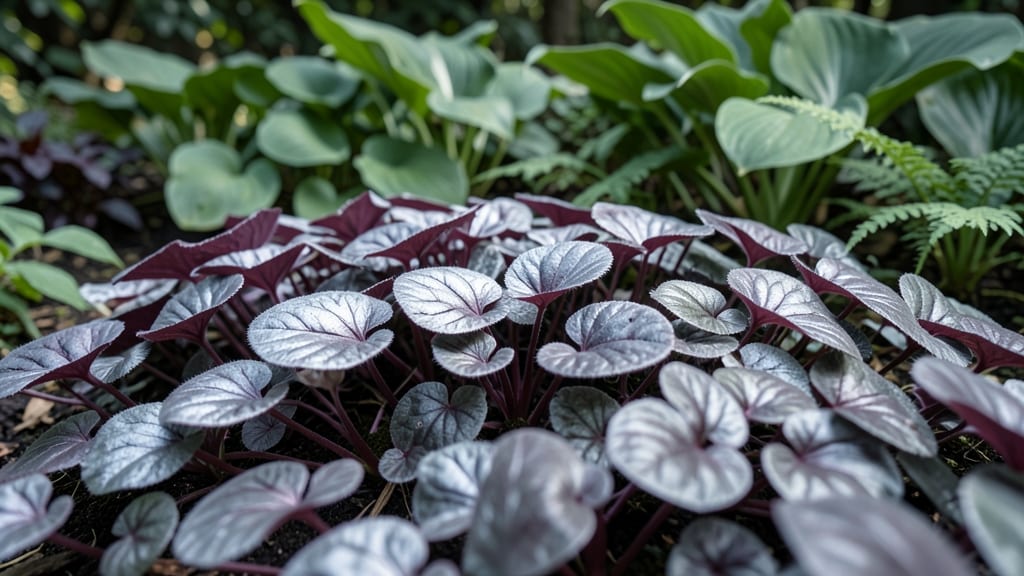
Struggling to grow vibrant flowers in your shady garden? These 10 shade-loving blooms thrive in low-light conditions, bringing color and life to north-facing yards, woodland edges, and under tree canopies without requiring direct sunlight.
Hostas With Lavender and Blue Flower Varieties
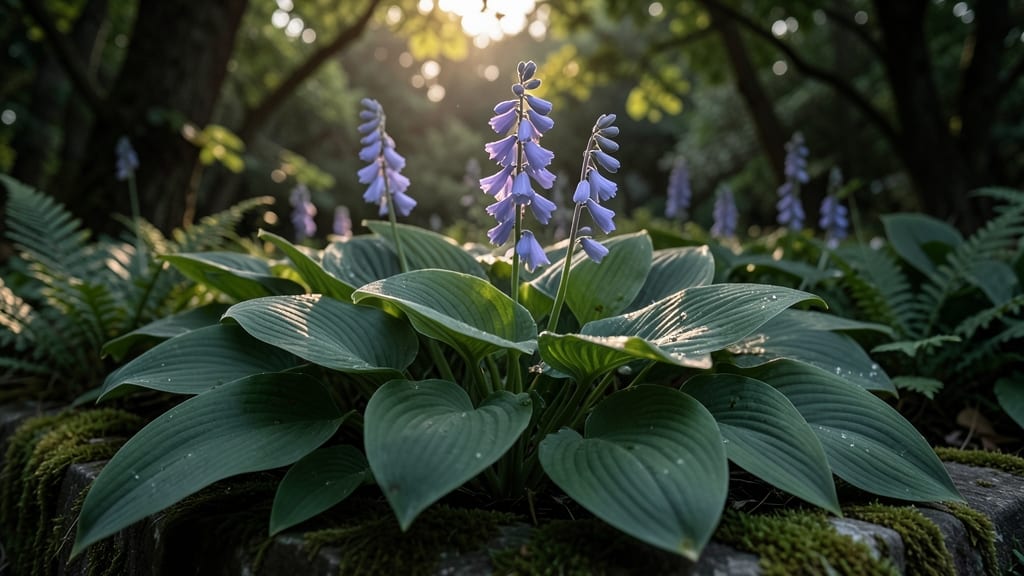
Looking for shade-loving flowers that combine bold foliage with delicate blooms? Hostas with lavender and blue flowers deliver both—plus a bonus: they’re nearly deer-proof and thrive in partial to full shade.
These varieties, like 'Blue Angel' or 'Halcyon', feature striking blue or lavender flower spikes rising above their textured leaves, which come in shades of blue-green, gold, or variegated patterns. Plant them in well-draining, moist soil with morning sun and afternoon shade for best results. Mulch annually to retain moisture and suppress weeds.
Perfect for beginners, hostas add year-round interest with their foliage and summer blooms. Their deer resistance makes them ideal for rural gardens too. 💚
Bleeding Heart Flowers in Pink and White
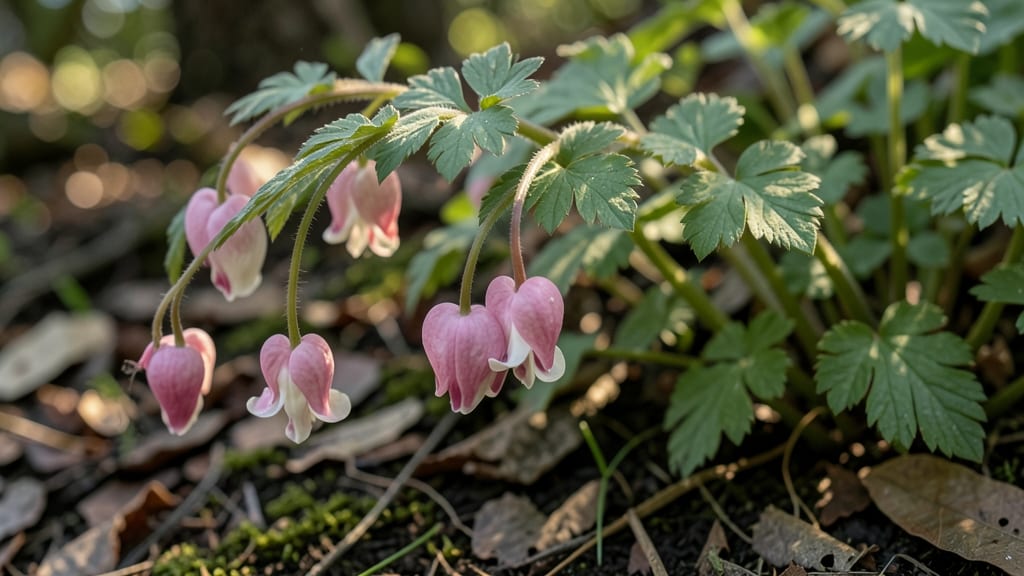
Transform your shady garden into a romantic retreat with bleeding heart flowers (Dicentra spectabilis), whose delicate pink and white blooms resemble tiny hearts dangling from arching stems. These self-seeding perennials thrive in dappled shade, making them perfect for cottage gardens and woodland edges where they spread naturally over time.
Plant them in moist, well-draining soil** with partial to full shade, and expect blooms from late spring through early summer. Their airy foliage provides vertical interest, while the flowers attract hummingbirds and butterflies. For best results, divide clumps every 3-4 years to maintain vigor—though they’ll often reseed themselves, creating charming, natural drifts.
Ideal for gardeners who love low-maintenance charm, bleeding hearts bring whimsy and color to shaded spots where other flowers struggle. 🌷
Hellebores For Early Spring Color
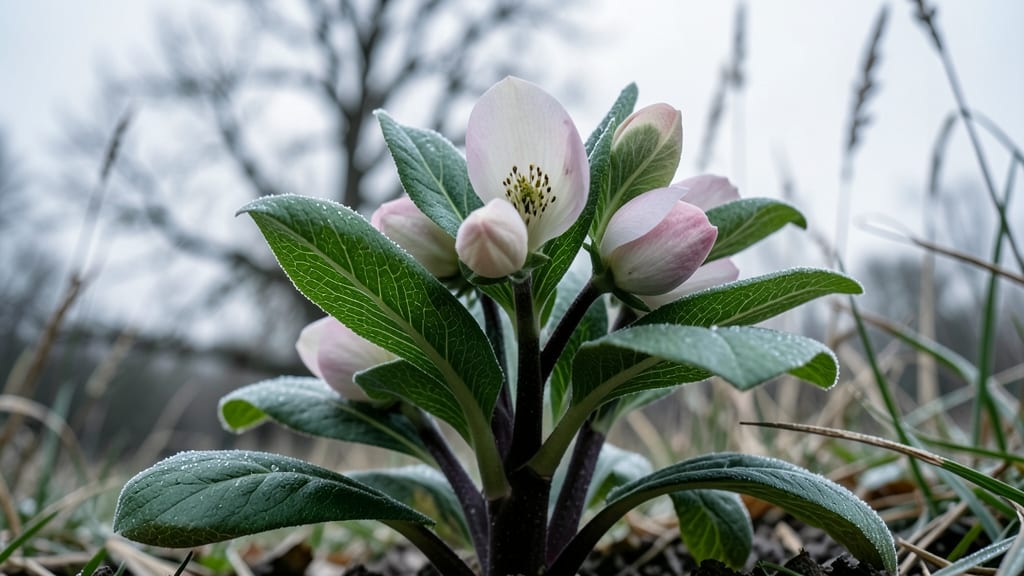
When winter still clings to the landscape, helleborus niger (commonly called hellebore or Lenten rose) emerges as a bold statement of color and resilience. These winter-hardy perennials bloom from late winter through early spring, offering a lifeline for pollinators like bees and butterflies when few other flowers are available.
Hellebores thrive in partial to full shade, making them perfect for understory planting or north-facing garden beds. Their nodding blooms come in shades of white, pink, purple, and deep burgundy, and they prefer well-draining, humus-rich soil. Once established, they require minimal care—just consistent moisture and occasional division every few years to prevent overcrowding.
These early bloomers are ideal for gardeners seeking year-round interest and pollinator support, especially in colder climates. Their long-lasting flowers also make excellent cut blooms for indoor arrangements. 🌻
Japanese Painted Ferns With Frilly Leaves
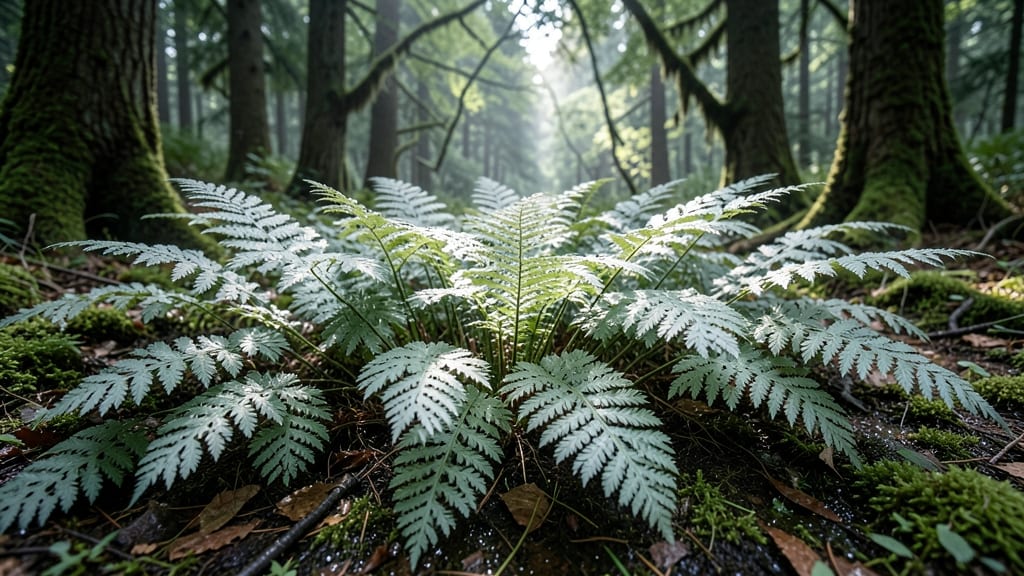
Skip the flowers—your shade garden still deserves drama, and Japanese painted ferns deliver it with their intricate, frilly foliage. Unlike blooms that fade, these evergreen perennials offer year-round texture, with silver-green fronds that shimmer in dappled light.
Thriving in moist, well-drained soil, they’re happiest under tree canopies or in north-facing beds where competition for light is minimal. Pair them with hostas or bleeding hearts for a lush, layered look—no flowers required. Their delicate, fern-like leaves also deter slugs naturally, making them a low-fuss choice for problem areas.
Perfect for gardeners who love foliage over flowers, these ferns bring a whimsical, woodland vibe to any shady spot. 🌿
Astilbe With Feathered Flower Plumes
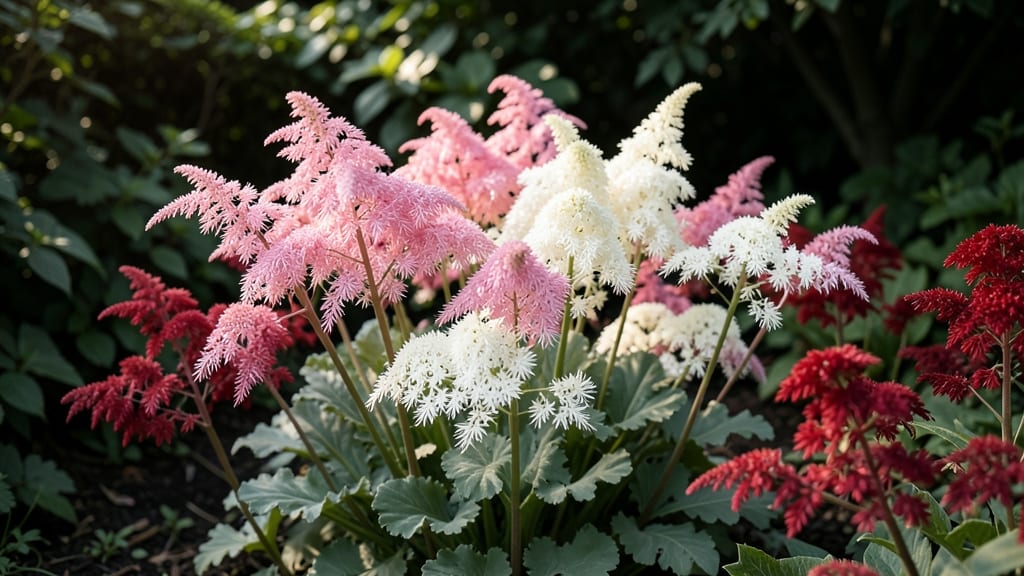
Tired of shade gardens that look flat and boring? Astilbe transforms dull corners with its feathered plumes in fiery pinks, snowy whites, and deep reds—like nature’s own confetti cannon for your garden.
These clump-forming perennials thrive in partial to full shade, making them perfect for understory planting where other flowers falter. Their airy blooms dance in the breeze, adding movement and height (2-4 feet tall) to shady borders. For best results, plant in moist, well-draining soil enriched with organic matter—mulch helps retain moisture. Varieties like 'Fanal' or 'Bridal Veil' offer season-long interest from early summer into fall.
Urban gardeners and cottage-style enthusiasts will love how astilbe pairs with hostas and ferns, creating lush, layered displays with minimal effort. Just snip back faded plumes in late fall to keep your shade garden looking tidy and vibrant. 🌻
Lungwort For Medicinal and Ornamental Value
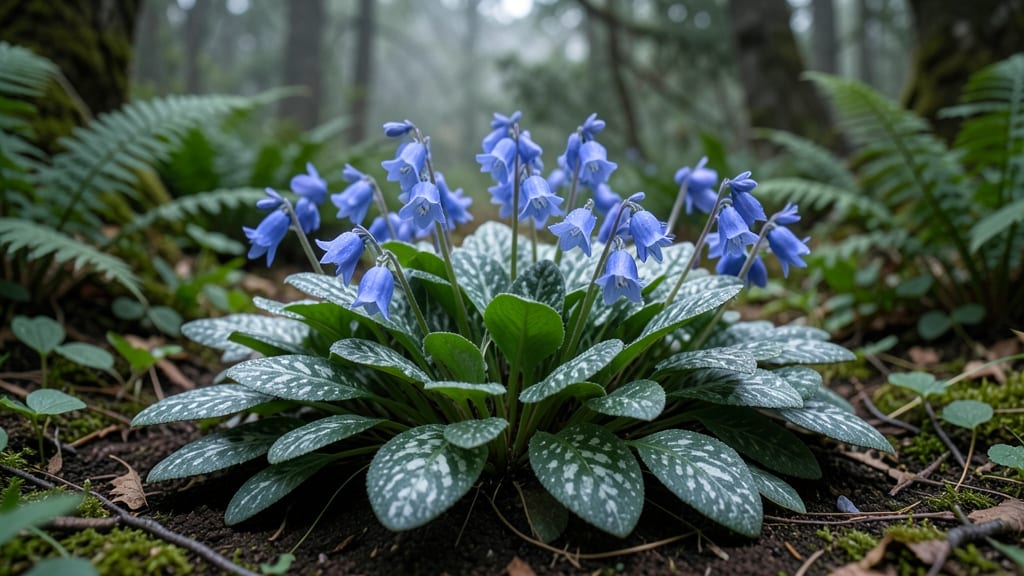
Looking for a shade-loving plant that does double duty? Lungwort (Pulmonaria) combines striking spotted foliage with clusters of blue flowers that pollinators adore—all while thriving in dappled shade where other plants struggle.
This hardy perennial offers year-round interest: its leaves emerge speckled in silver before turning green, while its spring blooms attract bees and butterflies. Plant it in moist, well-draining soil under trees or along shady borders, where it spreads gently to form attractive clumps. Historically used to treat respiratory ailments, lungwort also repels slugs, making it a practical choice for problem spots.
Perfect for cottage gardens or woodland settings, lungwort brings both beauty and function to shady areas where few other flowers dare to bloom. 💚
Coral Bells With Variegated Leaves
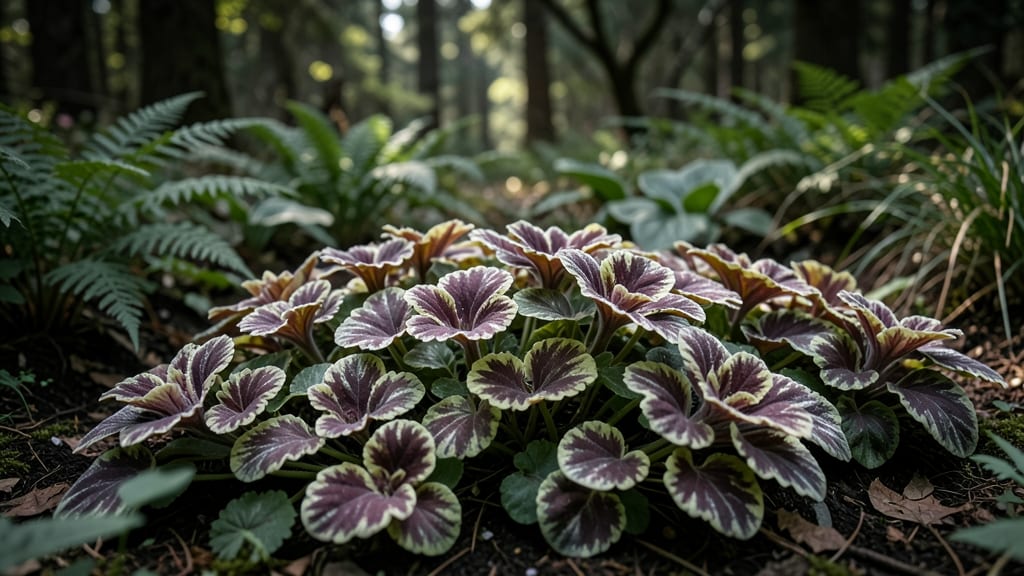
Tired of shade gardens that look dull year-round? Coral bells (Heuchera) with variegated leaves are the secret weapon for adding vibrant color and texture to your darkest corners—without needing direct sunlight.
These perennial ground covers thrive in partial to full shade, offering striking foliage in shades of silver, purple, lime green, and deep burgundy, plus delicate flower spikes in spring. Many varieties even turn fiery red or orange in fall, extending their seasonal appeal. For containers or borders, choose compact types like 'Palace Purple' or 'Lime Rickey' to create instant visual impact.
Perfect for urban gardeners with limited space or beginners who want low-maintenance beauty, coral bells also tolerate dry soil once established. Add them to your shade garden for year-round interest with minimal effort. 🌻
Sweet Woodruff With Star-Shaped Flowers
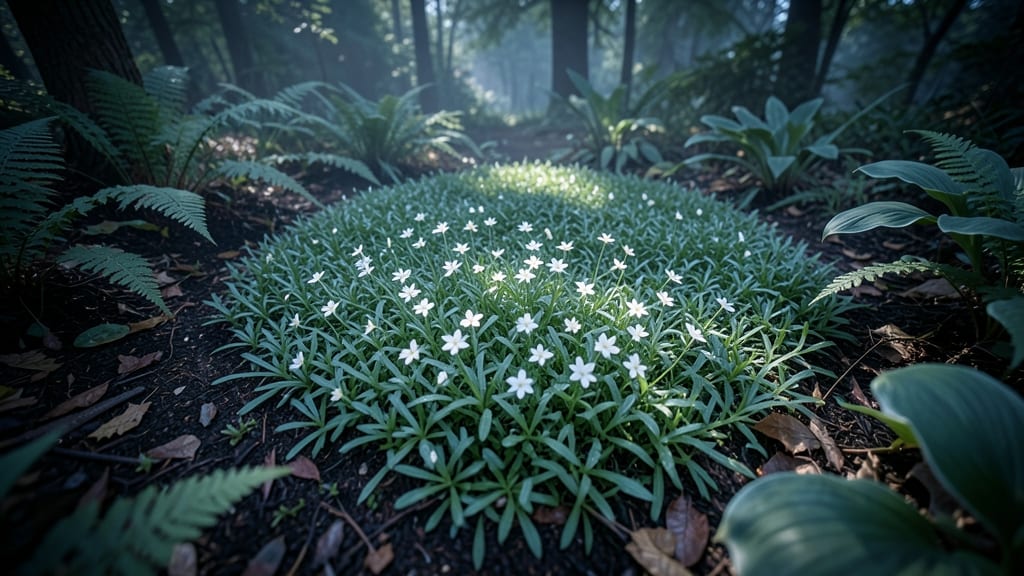
Transform your shady garden into a fragrant retreat with sweet woodruff, a delicate ground cover that spreads gently while filling the air with a vanilla-like scent when brushed. Unlike aggressive spreaders, this plant forms a lush, living carpet that thrives in deep shade and moist soil—perfect for understory planting.
Native to Europe but naturalized in North America, sweet woodruff produces clusters of star-shaped white flowers in late spring, followed by seed pods that add winter interest. It prefers partial to full shade and well-draining soil, making it ideal for woodland gardens, beneath trees, or along shady pathways. Its slow, controlled spread means it won’t overwhelm other plants.
This sensory delight is especially rewarding for gardeners who love fragrant plants or want to create a low-maintenance, textured ground cover. Pair it with ferns or hostas for a woodland-inspired haven. 🌿
Toad Lilies For Unique Spider-Like Blooms
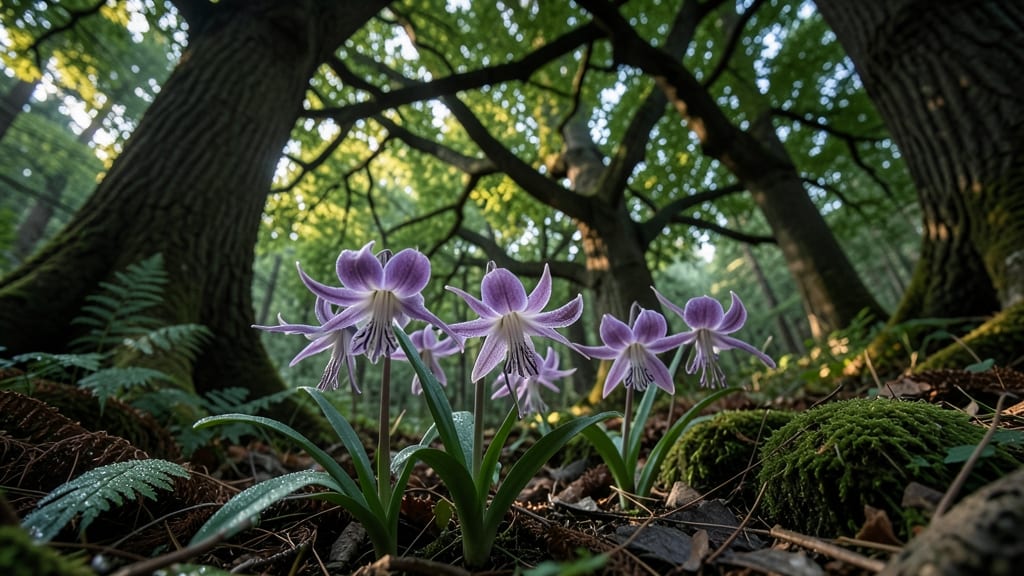
Transform your deep shade garden into a dramatic woodland showcase with toad lilies (Tricyrtis), whose exotic spider-like blooms emerge like secret treasures in late summer to fall. These striking perennials thrive where most flowers give up—under dense tree canopies or north-facing walls—delivering dark maroon and golden-yellow flowers that contrast beautifully against their glossy green foliage.
Plant them in moist, well-draining soil enriched with organic matter, and they'll reward you with blooms that last for weeks. Toad lilies prefer partial to full shade and appreciate consistent moisture, making them ideal for woodland gardens or rain gardens. Their unique flowers even attract hummingbirds and other pollinators to your shady spots.
Perfect for gardeners seeking drama without sunlight, toad lilies add a touch of the exotic to any shade garden while requiring minimal care. 🌿
Lamium With Silver and Purple Foliage

If your shade garden feels a little flat between blooming seasons, lamium with its silver and purple foliage is your secret weapon. This hardy perennial keeps its striking colors year-round, creating a lush contrast against other shade plants like hostas or ferns.
Lamium thrives in partial to full shade and tolerates a wide range of soil types, making it ideal for urban gardens or woodland edges. Its small purple flowers add subtle blooms from spring to fall, while the foliage remains vibrant even in winter. The best part? It attracts beneficial insects like hoverflies and bees, giving your garden an extra boost of pollinator activity.
Perfect for gardeners who want low-maintenance color without the fuss of seasonal replacements, lamium is especially great for borders, containers, or as a ground cover under trees. 💚