
Orchid Care
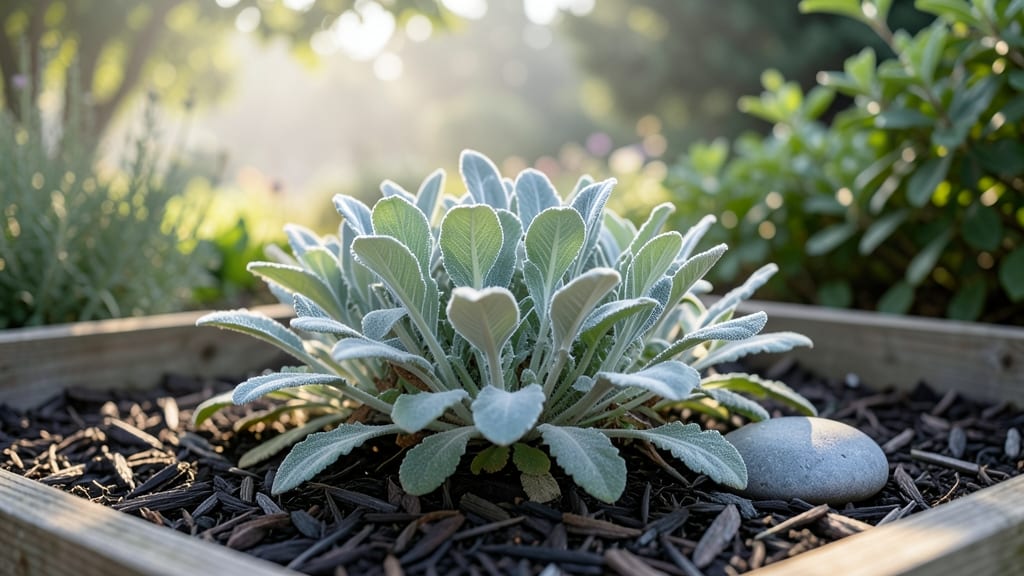
Dusty Miller thrives in sun or shade, but getting the light right is the key to keeping its signature silvery foliage looking fresh year-round 🌿.
Struggling to keep your Dusty Miller (Jacobaea maritima) looking silvery and vibrant? The battle between sun and shade can make or break this stunning foliage plant—get the light conditions wrong, and you’ll end up with dull, brown leaves instead of that coveted velvety silver.
This hardy perennial is one of the most versatile plants in the garden, but its needs shift dramatically depending on whether it’s basking in full sun or tucked into a shady corner.
In this guide, I’ll break down the ideal light exposure for Dusty Miller, how to adjust your care routine based on its location, and the best ways to maximize its ornamental appeal—no matter where you plant it.
 Best Window Placement
Optimal sunlight conditions for Dusty Miller’s signature silver foliage
Your Dusty Miller (Artemisia stelleriana) thrives on bright light to maintain its iconic silvery foliage, but too much sun can bleach its leaves while too little shade dulls its color. The key lies in understanding how light intensity directly impacts its growth patterns and leaf hue.
Whether you’re in a hot desert climate or a cooler coastal zone, adjusting exposure seasonally ensures that velvety silver stays vibrant year-round.
The silver hue of Dusty Miller comes from fine, powdery trichomes on its leaves that reflect light. When exposed to full sun (6+ hours/day), these trichomes work at peak efficiency, creating that striking contrast against darker foliage.
However, in intense afternoon sun, especially in Zone 9+, leaves can scorch, turning brown at the edges. Conversely, partial shade (3-6 hours of light) preserves the silver but may result in slower growth and less vibrant color.
Here’s how to balance sunlight for optimal Dusty Miller care based on your region and season:
In cooler climates (Zones 3-6), Dusty Miller can handle full sun all day without stress, especially when paired with well-draining soil. The silver hue intensifies in these conditions, making it a standout in rock gardens or border plantings.
However, during summer heatwaves, even temperate zones may need afternoon shade to prevent leaf burn.
For hotter regions (Zones 7-10), the key is morning sun and afternoon shade. Plant Dusty Miller where it receives bright, indirect light for most of the day, such as under dappled tree canopies or near east-facing walls.
In Zone 10+, consider 50% shade cloth during the hottest months (June-August) to protect the foliage while maintaining color.
Seasonal adjustments are critical. In spring and fall, when temperatures are mild, Dusty Miller can thrive in full sun (6+ hours). But by mid-summer, even partial shade (3-4 hours) may be necessary to prevent leaf scorch.
Watch for yellowing or browning edges—these are clear signs your plant needs adjusted light exposure.
If you’re growing Dusty Miller in containers, mobility is your advantage. Move pots to sunnier spots in winter and shadier areas in summer to maintain consistent foliage color.
A south-facing patio works well in cooler months, while a north-facing balcony provides relief during peak heat. Always ensure well-draining potting mix to complement light adjustments.
Pro tip: Prune leggy growth in shaded conditions to encourage bushier, more compact plants. Trim back overly long stems in spring to promote denser foliage and brighter silver hues. Regular pruning also helps Dusty Miller maintain its ornamental shape year-round, whether in sun or shade.
Remember, the silver magic of Dusty Miller is all about balance. Too little light dulls its charm, while too much sun can fry its delicate leaves. Experiment with your local microclimate, and don’t hesitate to rotate containers or adjust shade structures to keep that velvety silver shining.
How to adapt Dusty Miller care for shady vs. sunny locations
Dusty Miller (Artemisia stelleriana) thrives on flexibility, but its care routine shifts dramatically between sunny and shady spots. In full sun, its iconic silvery foliage stays vibrant, while too much shade dulls that velvety texture.
The key? Adjusting watering, soil, and pruning based on light exposure to prevent stress signs like yellowing leaves or bleached foliage. Let’s break down how to keep your Dusty Miller happy in any garden corner.
First, observe your plant’s current light conditions. If it’s in full sun, you’ll need to water more frequently to prevent leaf scorch from intense afternoon rays. In partial shade, reduce watering slightly—overwatering here leads to root rot and mushy stems.
Both extremes demand different soil mixes too: sun-loving Dusty Miller prefers well-draining, sandy soil, while shade-adapted plants benefit from moist, loamy soil with added organic matter.
- Sunburnt leaves (brown patches): Move to partial shade and mulch to retain moisture.
- Yellowing foliage (shade stress): Relocate to sunnier spot or supplement with grow lights for 4-6 hours daily.
- Leggy growth (stretching): Trim back to encourage bushier habits and rotate pot for even light exposure.
Pruning is another game-changer. In sunny locations, prune lightly in early spring to shape the plant without stressing it during peak heat. For shady spots, prune more aggressively in late winter to stimulate new growth—shade slows down photosynthesis, so you’re encouraging the plant to reclaim its vigor.
Always use sterilized shears and remove no more than 1/3 of the plant at once to avoid shock.
Soil pH matters too! Dusty Miller prefers neutral to slightly alkaline soil (6.5–7.5). In sunny beds, amend with crushed granite or lime to maintain alkalinity. In shady areas, mix in composted leaf mold to improve drainage and fertility.
Test your soil every 2–3 years—pH swings can turn those silvery leaves brown or dull green overnight.
Let’s talk seasonal tweaks. During summer, mulch heavily in sunny spots to lock in moisture, but reduce mulch in shade to prevent fungal issues. In winter, protect shady Dusty Miller with a light frost cloth—cold drafts exacerbate shade stress.
And here’s a secret: Container-grown Dusty Miller in full sun needs daily watering in summer, while the same plant in shade can go 10–14 days between waterings.
Still unsure about your Dusty Miller’s light needs? Grab a light meter (or use your phone’s app) to measure foot-candles—ideal range is 1,000–3,000 fc for partial shade, 3,000–6,000 fc for full sun.
Adjust care based on those numbers, and your Dusty Miller will reward you with lush, silvery foliage all season long. 🌿