
Orchid Care
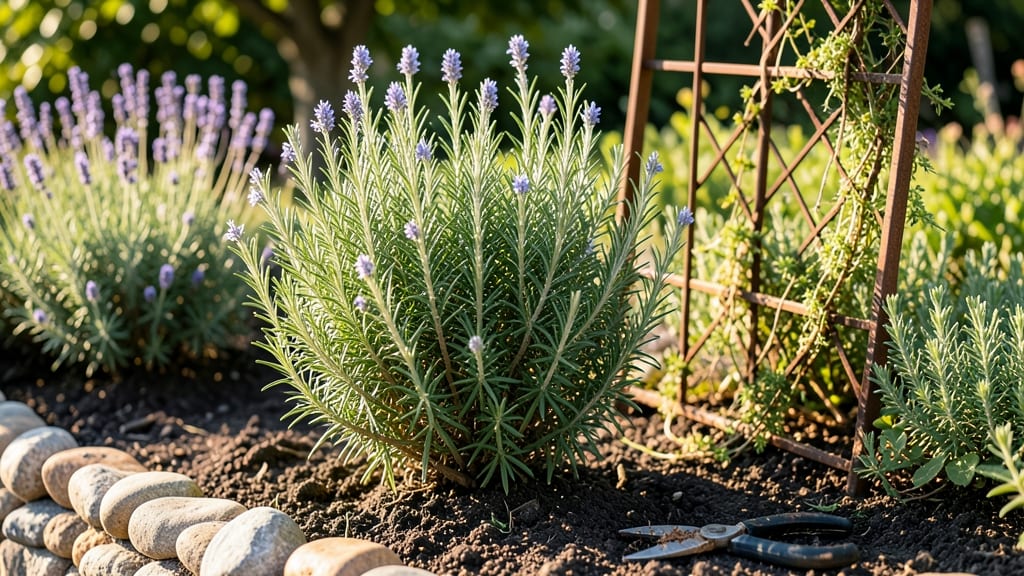
Does rosemary like sun or shade—well, the answer is clear: this hardy herb demands full sun, needing at least 6 hours of direct light daily to stay healthy and flavorful.
If you’ve ever grown rosemary that stretches toward the light or loses its aroma, you’re not alone—this hardy herb can turn leggy or woody when it doesn’t get enough sun. The right light isn’t just about survival; it’s the key to that vibrant flavor we all love in cooking.
Whether you’re planting in Zone 6a or a container on your balcony, knowing how much sun rosemary needs will save you from common mistakes. Too much shade weakens the plant, while too much direct sun can scorch it—so finding that sweet spot is everything.
Below, I’ll walk you through how to position your rosemary for success, spot signs of light stress, and keep it thriving all season long—so you can enjoy fresh, fragrant herbs year after year.
 Best Window Placement
Ideal sunlight requirements for rosemary growth and flavor
Rosemary is one of those hardy herbs that seems almost indestructible—but its sunlight needs are non-negotiable if you want that signature piney aroma and vibrant growth.
While it can survive in partial shade, rosemary thrives in full sun, and the difference between 6+ hours of sunlight and less can mean the difference between a fragrant culinary herb and a woody, flavorless shrub.
Let’s break down exactly what rosemary needs and why sunlight is its secret weapon.
The optimal sunlight range for rosemary is 6 to 8 hours of direct sun daily. This isn’t just about growth—it’s about flavor development. The more sunlight rosemary gets, the more intense its aromatic oils become.
In fact, studies show that rosemary grown in full sun can have up to 30% more essential oils than shade-grown plants, making it far more potent for cooking and medicinal uses. If you’ve ever tasted rosemary that’s disappointingly bland, chances are it wasn’t getting enough sun.
Here’s the catch: rosemary is drought-tolerant, but it’s not shade-tolerant. In partial shade (3-6 hours of sun), rosemary will still grow, but you’ll notice longer, leggier stems and paler leaves.
Over time, the plant may become woody and less productive, with fewer new growth points where you can harvest fresh sprigs. For the best results, aim for full sun exposure, especially in USDA Zones 6-9, where rosemary is most commonly grown.
If you’re growing rosemary in hot climates (Zones 9-11), you’ll need to make a slight adjustment. While rosemary loves sun, it can suffer from heat stress in the afternoon when temperatures exceed 90°F (32°C).
In these regions, provide morning sun and afternoon shade to prevent leaf scorch while still meeting its 6+ hour sunlight requirement. A simple solution is to place rosemary near a west-facing wall that gets morning sun but is shaded in the hottest part of the day.
For gardeners in cooler climates (Zones 3-6), rosemary’s sunlight needs are even more critical. In these areas, rosemary is often grown as an annual or overwintered potted plant because it can’t survive freezing temperatures. During the growing season, ensure it gets full sun exposure to compensate for shorter days.
If you’re in a northern latitude, consider using reflective surfaces, like white walls or mirrors, to bounce extra light onto the plant and maximize its sun exposure.
One common mistake I see is assuming that rosemary can handle shade because it’s a "hardy" herb. While it’s true that rosemary is drought-resistant, it’s not shade-tolerant. In low-light conditions, rosemary will stretch toward the light, creating weak, elongated stems that are prone to breaking.
The leaves will also lose their vibrant green color and become pale or yellowish. If you notice these signs, it’s a clear indication that your rosemary needs more sunlight to thrive.
To test whether your rosemary is getting enough light, perform a simple shadow test at the plant’s location. Place a stick or ruler vertically in the soil and mark the shadow every hour.
If the shadow is longer than the stick itself for more than 3 hours, your rosemary isn’t getting enough direct sunlight. In this case, relocate the plant to a sunnier spot or move it closer to a south-facing window if growing indoors.
For container-grown rosemary, rotate the pot every few days to ensure even sun exposure on all sides.
Sunlight isn’t just about growth—it’s about harvest quality. The best time to harvest rosemary is in the morning after sunrise, when the essential oils are at their peak concentration.
If your rosemary isn’t getting enough sun, the aromatic compounds won’t develop properly, and your harvests will taste mild and underwhelming. For the most flavorful rosemary, prioritize full sun exposure and prune regularly to encourage new growth that’s exposed to plenty of light.
If you’re still unsure about your rosemary’s sunlight needs, start by
Signs your rosemary needs more sun (or too much shade)
Rosemary is a sun-worshipper at heart, and when it doesn’t get enough light, it sends out SOS signals through its leaves and stems. One of the first signs is long, leggy growth—those stretched-out stems reaching desperately for sunlight.
This happens because your rosemary is stretching toward light sources, often creating weak, floppy plants that can’t support themselves.
Another red flag is pale or yellowing leaves. Healthy rosemary leaves should be a vibrant deep green color, but shade-starved plants develop a washed-out appearance as they struggle to produce enough chlorophyll.
The edges may even turn brown or crispy if the plant is also overwatered in low light.
⚠️ WARNING: ROSMARY IN SHADY SPOTS Rosemary thrives in full sun (6+ hours daily), but too much shade leads to: ✔ Woody stems – Reduced growth of tender leaves ✔ Weak flavor – Sunlight boosts essential oils for aroma ✔ Pest vulnerability – Stressed plants attract aphids 🌿 Solution: Move to a south-facing window or outdoor full-sun spot ASAP.
Even partial shade can stunt growth over time.
If your rosemary’s stems feel soft and rubbery instead of firm, that’s another shade-induced problem. Healthy rosemary should have woody but flexible stems, but shade causes them to stay tender and weak. This makes the plant more prone to breaking under wind or rain.
Don’t ignore slow or stunted growth either—rosemary should grow 6-12 inches per year in ideal conditions. If it’s barely putting on new leaves, it’s likely light-deprived. Even if you’ve given it well-draining soil and proper watering, without enough sun, its growth will grind to a halt.
For container-grown rosemary, check the underside of leaves for white or gray powdery mildew, a fungal issue that thrives in shady, humid conditions. If you spot this, increase airflow and move the plant to bright, indirect light temporarily while treating with neem oil.
To fix these issues, gradually acclimate your rosemary to more sun—1-2 extra hours per day over a week—to avoid sunburn. Once in full sun, watch it rebound with bushier growth and richer fragrance in just a few weeks. Trust me, your rosemary’s flavor will thank you! 🌞