
Orchid Care
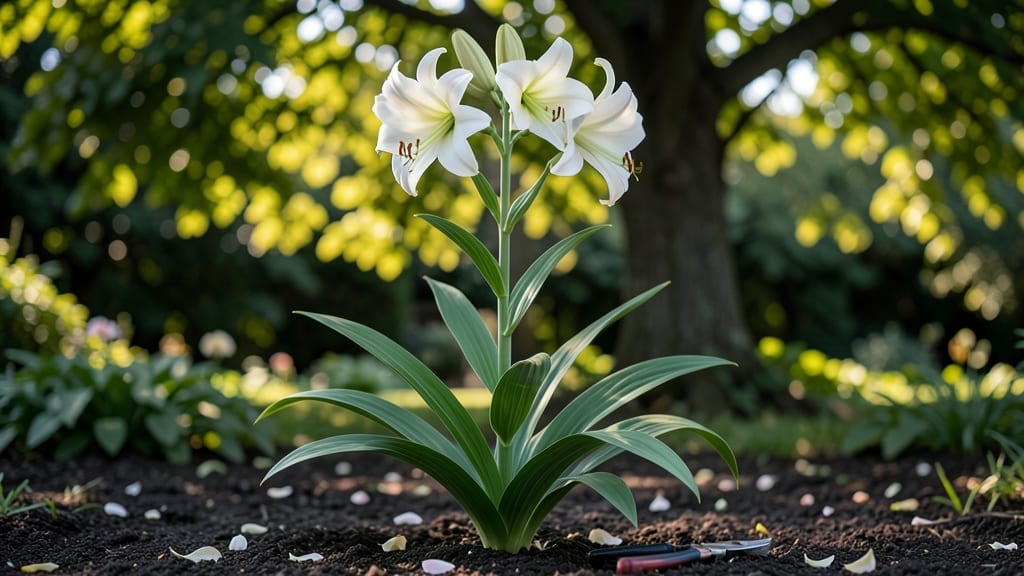
Lilies need a balance of sun and shade — too much direct light can scorch their delicate petals 🌸, while too little leaves them struggling to bloom.
Struggling to decide whether your lilies should bask in sunlight or retreat to the shade? Getting their light needs wrong can mean the difference between stunning blooms and wilted disappointment—here’s the science-backed guide to perfect lily lighting.
Most lilies thrive in partial shade, especially in hot climates like USDA Zone 6a, where afternoon sun can turn leaves crispy. But did you know that Asiatic lilies actually crave more light than their trumpet cousins?
We’ll break down the ideal conditions for each type and how to spot when your plants are begging for a better spot.
From adjusting shade cloths to choosing the right companion plants, you’ll learn how to keep your lilies healthy and blooming all summer long—no guesswork required.
 Best Window Placement
Ideal sunlight requirements for different lily types
Not all lilies thrive under the same sunlight conditions—some need full sun to burst into bloom, while others wilt in harsh afternoon rays. Understanding your lily's sunlight requirements is key to growing vibrant blooms and healthy foliage.
Most lilies fall into four main categories: Asiatic, Oriental, Trumpet, and Daylilies, each with unique preferences that directly impact their growth and flower production.
Lilies are often misunderstood as one-size-fits-all plants, but their light needs vary dramatically. For example, Asiatic lilies love full sun and will reward you with bold, bright blooms, while Oriental lilies prefer a gentler touch with afternoon shade to protect their delicate petals.
Getting this balance right means the difference between stunning displays and struggling stems. Let’s break down exactly what each type needs to thrive.
Comparison Table: Sunlight Requirements for Lily Types
| Lily Type | Ideal Sunlight | Bloom Impact | Best For |
|---|---|---|---|
| Asiatic Lilies | Full sun (6+ hours) | Large, vibrant blooms | Hot, dry climates |
| Oriental Lilies | Morning sun, afternoon shade | Fragrant, large flowers | Cooler regions |
| Trumpet Lilies | Full sun to partial shade | Dramatic, trumpet-shaped blooms | Humid climates |
| Daylilies (Hemerocallis) | Full sun to partial shade | Prolific, short-lived blooms | All climates |
The Asiatic lilies are the sun worshippers of the lily world, thriving in 6+ hours of direct sunlight daily. This variety produces bright, bold blooms in shades of pink, red, and yellow, but their foliage can scorch in intense afternoon heat.
If you're in a hot climate zone, consider providing afternoon shade to prevent leaf burn while still giving them morning sun.
Oriental lilies, on the other hand, are far more delicate and prefer a gentler light approach. They love morning sunlight but need protection from the harsh afternoon rays, especially in southern climates. Without this shade, their petals can fade or develop sunburn spots. These lilies reward you with large, fragrant blooms that last longer in cooler weather, making them perfect for USDA zones 5-9 with afternoon shade solutions.
Trumpet lilies strike a balance between the two, tolerating full sun to partial shade. They’re adaptable but perform best with morning sun and filtered afternoon light. Their dramatic, trumpet-shaped flowers thrive in humid climates, making them a favorite for gardeners in the southeastern U.S. If you notice their leaves turning yellow or their blooms wilting, they may be getting too much direct sun.
Daylilies (often mistakenly called "true lilies") are the most forgiving of the bunch. They handle full sun to partial shade with ease, making them ideal for beginner gardeners or shadier spots in your yard. Their prolific blooms last just one day (hence the name), but they produce so many flowers that your garden will stay colorful for weeks. For best results, give them at least 4-6 hours of sun to encourage strong growth and abundant flowering.
Light intensity also plays a crucial role in bloom size and color. For example, Asiatic lilies grown in full sun will produce larger, more vibrant blooms compared to those in partial shade. Meanwhile, Oriental lilies in too much sun may develop faded petals or even fail to bloom altogether.
Pay attention to how your lilies respond—leaf color, stem strength, and bloom quality are all telltale signs of whether they’re getting the right light.
If you're unsure about your garden’s light conditions, observe the area where you plan to plant. East-facing spots provide gentle morning sun, while west-facing areas can get intense afternoon heat. South-facing gardens are the sunniest but may require afternoon shade for delicate varieties.
Use a light meter or simply watch how nearby plants grow—healthy, lush foliage indicates good light conditions.
Pro tip: If your lilies aren’t blooming as expected, it could be a light issue. Under-exposed lilies often produce fewer flowers and longer stems, while over-exposed lilies may have smaller blooms and yellowing leaves.
Adjust their placement gradually—move them inch by inch to avoid shocking the plant. With the right light, your lilies will reward you with show-stopping blooms all season long.
Signs your lilies aren’t getting the right light (and how to fix it)
If your lilies are struggling to bloom or their leaves look less than vibrant, light exposure could be the culprit. Most lilies thrive with 6-8 hours of sunlight daily, but too much or too little can send warning signals.
I’ve seen yellowing foliage, weak stems, and failed blooms all point to light-related stress. Let’s decode these signs and fix them fast.
First, check your lilies’ leaf color. Healthy lily leaves should be a rich green. If they’re turning yellow or pale, your plants might be getting too much shade.
On the flip side, brown or crispy edges mean over-exposure to direct sun, especially in hot climates. Both extremes stress your lilies and keep them from reaching their full potential.
⚠️ callout warning ⚠️
🌱 Light Stress in Lilies: Quick Fixes
Too Little Light: Move plants to morning sun or dappled shade (e.g., under tall trees). Use reflective surfaces like white walls to bounce light.
Too Much Light: Provide afternoon shade with a sheer curtain or lattice screen. Mulch heavily to retain moisture and reduce heat stress.
Pro Tip: Daylilies tolerate more shade than Asiatic lilies. Adjust care based on your specific variety!
Another red flag? Stems that flop or fail to stand upright. Weak stems often mean your lilies aren’t getting enough sunlight for photosynthesis, which fuels their growth. If you notice fewer blooms or smaller flowers than usual, it’s a clear sign they’re not getting the right light balance.
Even true lilies, which love sun, can struggle if planted in deep shade.
Don’t overlook bud development. Lilies that receive inconsistent light may produce underdeveloped buds that never open. If buds form but wilt before blooming, your plants might be overheated from too much direct sun.
In this case, prune nearby plants to filter harsh rays or relocate your lilies to a protected spot.
For regional adjustments, consider your climate. In hot, dry zones (like USDA Zone 9), lilies benefit from afternoon shade to prevent scorching. In cooler climates (like Zone 5), they can handle full morning sun. Always monitor your plants’ response and tweak their location as needed.
Finally, rotate your lilies seasonally if possible. In summer, move them to a shadier spot to avoid heat stress, then return them to more sunlight in spring to encourage blooming. With these adjustments, your lilies will reward you with bold blooms and lush foliage all season long. 🌸