
Plants
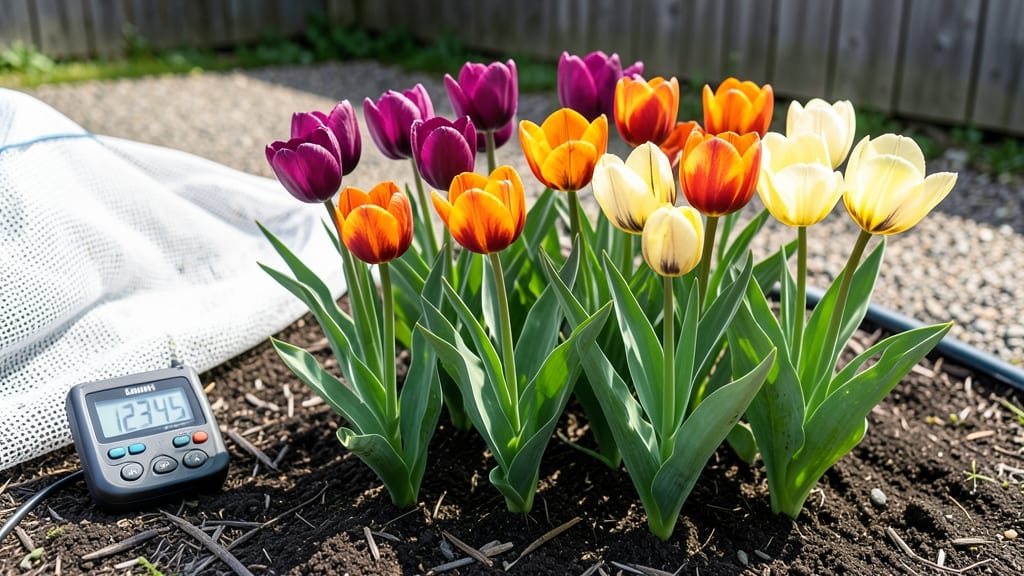
Do tulips like sun or shade, and if so, how much? They thrive in full sun but tolerate partial shade, making them versatile for most gardens 🌷 — though too much shade can leave them weak and sparse.
If you’ve ever planted tulips only to watch them stretch toward the light or bloom weakly, you’re not alone. The key isn’t just any sunlight—it’s the right balance.
Too little, and their stems grow leggy; too much, and their petals scorch. But with the right spot, they’ll reward you with bold, vibrant blooms every spring.
Most tulips need 6 to 8 hours of direct sunlight daily for peak performance, especially in cooler climates like USDA Zone 6a. That said, varieties like Darwin hybrids can handle even hotter sun, while delicate species tulips prefer dappled shade.
We’ll break down how to match your tulips to your garden’s light—plus how to fix common mistakes before they happen.
Ready to unlock bigger, brighter blooms? I’ll show you how to position your tulips for success, spot signs of light stress early, and even tweak their environment for the best results—no guesswork required.
 Best Window Placement
Ideal sunlight conditions for tulip growth and blooming
Tulips thrive best in full sun exposure, but their exact light needs depend on your climate and variety. While they love sunlight, too much can scorch their leaves, and too little reduces bloom size.
Understanding the balance ensures vibrant, healthy flowers every spring. The key is providing 6-8 hours of direct sunlight daily while protecting them from harsh afternoon rays in hot climates.
Tulips are sun-loving perennials, but their bulbs store energy during dormancy. This energy fuels their growth and flowering when exposed to proper light. Photosynthesis efficiency peaks in tulips when they receive morning sun and gentle afternoon shade, especially in warmer regions.
This balance helps prevent leaf burn while maximizing bloom production.
The optimal sunlight range for tulips is 6-8 hours daily, but they can tolerate 4-5 hours in partial shade if grown in hotter zones (USDA zones 7-9).
In cooler climates (zones 3-6), they can handle more sun since temperatures are milder. Always prioritize morning sunlight exposure to avoid stressing the plants.
🌷 Sunlight Comparison for Tulips
| Condition | Full Sun (6+ hours) | Partial Shade (4-5 hours) | Deep Shade (<4 hours) |
|---|---|---|---|
| Bloom Size | Large, vibrant | Medium, slightly reduced | Small, weak |
| Leaf Health | Healthy, green | Moderate, may yellow | Pale, weak stems |
| Flowering Time | Early, prolonged | Delayed, shorter | Late, minimal |
| Best For | Cooler climates | Hot, dry areas | Shady gardens |
| Adjustments Needed | None (ideal) | Add morning sun | Relocate to sunnier spot |
Seasonal adjustments are crucial for tulips. In spring and fall, when temperatures are moderate, they can handle full sun exposure without issues. However, during summer months, especially in hot climates, provide afternoon shade to prevent leaf scorch.
Use lightweight shade cloth (30-50%) if necessary to filter harsh rays while maintaining airflow.
Light exposure directly impacts bloom size and color intensity. Tulips grown in full sun produce larger, brighter flowers with deeper hues, while those in partial shade may have smaller blooms and paler colors.
For example, Darwin hybrid tulips thrive in full sun and develop bold, cup-shaped blooms, while species tulips like Tulipa tarda tolerate partial shade better.
If you're growing tulips in containers or small gardens, place them where they receive at least 6 hours of morning sun. Rotate containers every few weeks to ensure even light exposure on all sides.
This prevents one-sided growth and ensures balanced blooming. For indoor tulips near windows, a south-facing window provides the best light intensity.
Monitor your tulips for signs of light stress. Yellowing leaves or brown leaf edges indicate too much sun, while weak stems and small buds suggest insufficient light. Adjust their placement accordingly—move them to a sunnier spot if they're leggy or to partial shade if leaves are scorched.
For optimal photosynthesis, tulips need balanced light and nutrients. Combine their ideal sunlight with well-draining soil and a light fertilizer application in early spring. This combo ensures they have the energy to produce show-stopping blooms year after year. With the right
How to adjust light exposure for different tulip varieties
Not all tulips thrive under the same sunlight conditions. While most varieties love full sun, some delicate types need partial shade to prevent scorching. Understanding these differences ensures your tulips bloom vibrantly and strongly.
Let's break down the light needs for three popular categories: Dutch tulips, Darwin hybrids, and species tulips. Each has unique preferences that can make or break your garden's success.
For Dutch tulips, the classic garden favorites like 'Apeldoorn' and 'Queen of Night,' aim for 6-8 hours of direct sunlight daily. These varieties produce the largest, most showy blooms when basking in morning sun with afternoon shade in hotter climates (USDA zones 7-9).
In cooler regions (zones 3-6), they can handle full sun all day without stress. Darwin hybrids, like 'Ice Cream' and 'Purple Prince,' are the toughest bunch—they crave full sun exposure (8+ hours) and even reward you with longer vase life and larger blooms when given extra light.
| Variety | Sunlight Needs | Best Placement | USDA Zones |
|---|---|---|---|
| Dutch Tulips | 6-8 hours full sun | South-facing beds, raised beds | 3-9 |
| Darwin Hybrids | 8+ hours full sun | Open meadows, containers | 4-8 |
| Species Tulips | 4-6 hours sun, partial shade | Woodland edges, under trees | 3-7 |
Species tulips, like Tulipa tarda or Tulipa clusiana, are the underdogs of the tulip world. They prefer 4-6 hours of morning sun followed by afternoon shade, especially in hot climates. These varieties often grow wild in woodland settings, so mimic their natural habitat by planting them near deciduous trees where they'll get dappled shade in summer. In cooler zones 3-5, they can handle more sun but still appreciate some afternoon relief from intense rays.
If you're growing tulips in containers, adjust their light exposure based on the variety. Place Darwin hybrids in the sunniest spot on your patio or balcony, rotating pots weekly for even growth.
For species tulips, choose a spot that gets morning sun but is shielded by a pergola or lattice in the afternoon. In USDA zones 8-9, afternoon shade is non-negotiable—even Dutch tulips will appreciate a 50% shade cloth during peak summer heat to prevent leaf burn.
Pro tip: Use reflective surfaces like white gravel or light-colored mulch to bounce extra light onto tulips growing in partial shade. This trick can boost bloom production by up to 20% for shade-loving varieties.
Also, monitor your tulips' foliage—if leaves turn yellow or stems flop, they're either getting too much sun or not enough. Adjust their position gradually over 1-2 weeks to avoid shocking the plants.
For container growers, consider using self-watering pots with built-in shade screens to protect delicate varieties. In urban gardens with limited space, vertical planters on south-facing walls can maximize sunlight exposure while keeping stems cool.
Remember, tulips are perennial in most climates, so getting their light needs right now will pay off with years of reliable blooms. 🌷