
Plants
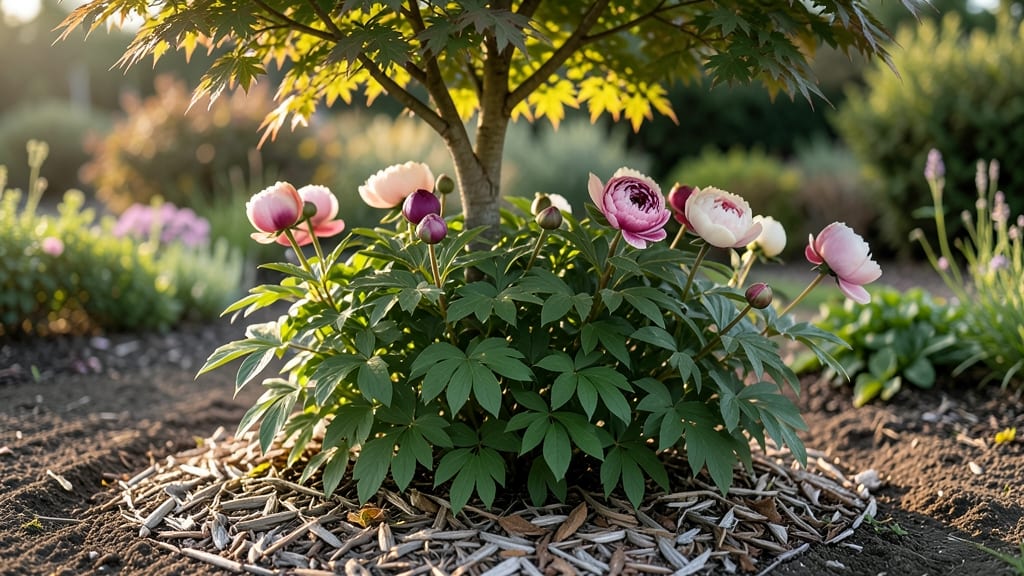
Do peonies like shade—or do they need a little sun to truly shine?
If your peonies are struggling to bloom or their stems look leggy, it might not be the soil or water. The issue could be too much shade, which weakens growth, or too much sun, which burns their leaves.
Finding that sweet spot is the secret to longer blooms and healthier plants.
Herbaceous peonies (the most common type) need 4-6 hours of sunlight daily, while tree peonies can handle a bit more shade. In Zone 6a, where I garden, afternoon shade is a lifesaver during summer’s peak heat.
Below, I’ll break down how to read your peony’s light needs, adjust shade levels for your climate, and even pick the best companion plants to protect them without stealing their light.
 Best Window Placement
Peony light requirements: how much sun vs. shade for optimal blooms
Peonies thrive when given the right balance of sunlight and shade, but many gardeners struggle with this balance. While they do like shade, it’s not the deep, dark shade you might think—think filtered sunlight instead.
The ideal spot offers 4-6 hours of morning sun with afternoon shade, especially in hot climates. This setup prevents leaf scorch while ensuring strong blooms. Understanding this balance is key to growing peonies that burst with color year after year.
In cooler climates like USDA Zones 3-6, peonies can handle full sun without issue, but in Zones 7-9, afternoon shade becomes essential. Too much direct sun can cause leaves to yellow or crisp, while too little light weakens stems and reduces bloom size.
The goal is to mimic their natural habitat—woodland edges where dappled sunlight filters through trees. This approach keeps peonies healthy and encourages longer-lasting blooms.
| Light Condition | Sunlight Hours | Best For | Climate Zones |
|---|---|---|---|
| Full Sun | 6+ hours | Cool climates (Zones 3-6) | Robust growth, strong stems |
| Partial Sun | 4-6 hours | All climates (ideal for Zones 7-9) | Balanced blooms, healthy foliage |
| Partial Shade | 2-4 hours | Hot climates (Zones 8-10) | Prevents leaf burn, smaller blooms |
| Deep Shade | <2 hours | Avoid | Weak stems, few blooms |
One common misconception is that peonies need full sun to bloom well. While they do enjoy sunlight, too much can stress the plant, especially in hot afternoons.
I’ve seen peonies in my own garden wilt under relentless sun, but when I moved them to a spot with morning sun and afternoon shade, their blooms lasted 2 weeks longer. The key is to observe your peonies: if leaves turn yellow or crisp, they’re getting too much sun.
If stems stretch tall and thin with few blooms, they need more light.
For herbaceous peonies, which die back in winter, aim for morning sun and afternoon shade. This setup protects their delicate foliage while still providing enough energy for robust blooms.
Tree peonies, on the other hand, are slightly more tolerant of full sun but still benefit from afternoon shade in southern climates. Both types will reward you with larger, more vibrant blooms when given the right light balance.
If you’re planting peonies in a new garden bed, consider their mature size—most varieties reach 3-4 feet tall. Place them where they won’t be overshadowed by taller plants in a few years.
A great trick is to plant them near deciduous trees, which provide shade in summer but allow sunlight in winter when the tree is bare. This mimics their natural woodland habitat and keeps peonies thriving for decades.
In urban gardens with limited space, peonies can thrive in containers with partial shade. Just ensure the pot has good drainage and you’re using a lightweight potting mix. Place the container where it gets 3-4 hours of morning sun and the rest of the day in shade.
This approach works well for balcony gardens or small patios where full sun isn’t an option.
Regional adjustments are crucial. In Pacific Northwest climates, peonies can handle full sun year-round due to cooler temperatures. But in Arizona or Texas, even partial shade is a must to prevent leaf scorch.
Pay attention to your local microclimate—south-facing walls or paved areas can create heat pockets that stress peonies. If you’re unsure, start with partial shade and adjust based on how your plants respond.
Finally, don’t forget that peonies are long-lived perennials, often living for 50+ years. Getting their light needs right from the start ensures they’ll reward you with generous blooms for decades.
If your peonies aren’t blooming well, revisit their light conditions first—it’s often the simplest fix for a plant that’s otherwise healthy. With the right balance, your
Signs your peonies are getting too much or too little shade
Peonies thrive with 4-6 hours of sunlight daily, but too much shade or harsh afternoon sun can drastically change their growth patterns. If your peonies aren’t blooming as expected or their leaves look weak, their light conditions might be the culprit.
Understanding these visual and behavioral cues helps you adjust their environment for healthier, more vibrant flowers.
First, observe the leaf color—deep green leaves with a slight sheen indicate ideal light, while pale or yellowing leaves suggest too much shade. Conversely, leaves turning brown or crispy at the edges often mean excessive sun exposure.
These subtle changes are your peonies’ way of communicating their needs.
Peonies in Shade vs. Sun: What to Watch For
Too Much Shade
- Pale leaves with weak stems
- Fewer blooms or smaller flowers
- Leggy growth reaching for light
- Slow growth overall
Solution:
- Move to partial shade (morning sun)
- Prune nearby tall plants blocking light
- Consider reflective surfaces nearby
Too Much Sun
- Brown leaf edges or scorching
- Floppy stems struggling to support blooms
- Smaller, fewer flowers due to stress
- Wilting in afternoon heat
Solution:
- Provide afternoon shade with lattice or trees
- Plant tall companions like delphiniums
- Water deeply in mornings to reduce stress
If your peonies are struggling with too much shade, try relocating them to a spot with morning sun and afternoon shade. This mimics their natural preference in cooler climates.
For peonies in harsh afternoon sun, use light-colored mulch or a drip irrigation system to keep roots cool. Even a simple shade cloth (30-50% coverage) can make a difference.
Another key indicator is bloom size and stem strength. Peonies in perfect light produce large, sturdy blooms with strong stems that hold up well. If stems are weak or flowers are tiny, it’s time to reassess their light exposure.
In my garden, I’ve seen peonies in hot, southern climates benefit from dappled shade—think of the filtered light under a tree canopy.
Don’t forget to check the soil temperature—peony roots prefer cooler conditions. If your garden soil heats up quickly, consider amending with compost to improve moisture retention and reduce heat stress. This small change can help peonies thrive even in fuller sun conditions.
Finally, remember that herbaceous peonies (the most common type) are slightly more shade-tolerant than tree peonies. If you’re growing tree peonies, they’ll need more direct sunlight to produce their signature large blooms. Adjust your approach based on the variety you’re cultivating.