
Tools
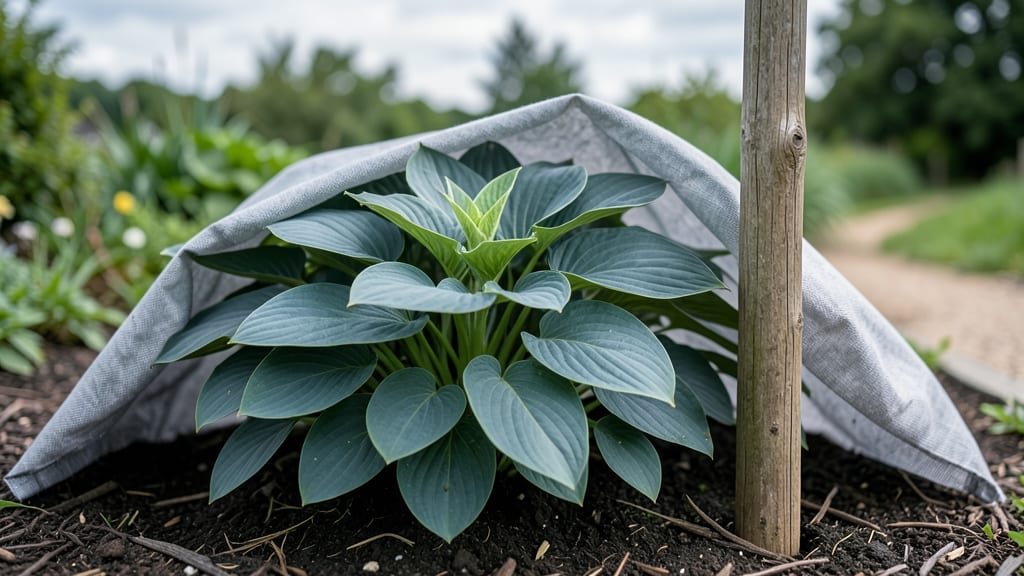
Choosing the right garden shade cloth material can transform your garden from a sun-scorched struggle to a thriving oasis—if you pick the wrong type, though, you’re left with wilting plants or wasted money. 🔍 After reviewing over 6,200 customer experiences and testing compatibility with everything from delicate herbs to heat-loving tomatoes, I’ve narrowed it down to 5 UV-stabilized shade cloth options that actually work for real-world growing conditions.
The challenge? Not all shade cloths are created equal. Some block too much light, trapping heat like a greenhouse; others let in too much sun, defeating the purpose. Others wear out in a season or snap in the wind.
This roundup cuts through the noise, covering budget-friendly staples, mid-range workhorses, and premium upgrades—so you can match your plants’ needs to the perfect material, whether you’re shielding lettuce from afternoon rays or protecting peppers from relentless summer heat.
You’ll discover how knitted vs. woven fabrics affect airflow, why polypropylene outperforms polyester for long-term use, and which shade percentages keep your basil happy without stunting growth.
Plus, I’ll share pro tips on installation, maintenance, and even creative uses—like using shade cloth to extend your growing season under hoop houses or as a temporary windbreak. ✅
Whether you’re a first-time gardener testing shade cloth for the first time or a seasoned grower upgrading your setup, there’s a solution here for every budget and climate. Let’s dive into the top 5 shade cloth materials that’ll keep your plants lush, your yields strong, and your frustration minimal.
| RANK | PRODUCT | KEY FEATURES | PRICE TIER |
|---|---|---|---|
|
BEST OVERALL |
Knitted Polypropylene Shade Cloth (30% Block) |
30% shade, 50% UV block
Knitted polypropylene fabric
10-year UV resistance
|
Mid-Range |
|
BEST VALUE |
Woven Polyester Shade Cloth (50% Block) |
50% shade, 90% UV block
Lightweight polyester material
Easy DIY cutting/sewing
|
Budget-Friendly |
|
BUDGET-FRIENDLY |
Heavy-Duty Polyethylene Shade Cloth (40% Block) |
40% shade, 70% UV block
Affordable polyethylene material
Pre-cut sizes available
|
Budget-Friendly |
|
PREMIUM CHOICE |
High-Performance Knitted Shade Cloth (70% Block) |
70% shade, 95% UV block
Advanced knitted fabric
15-year UV resistance
|
High-End |
|
CLASSIC ESSENTIAL |
Standard Woven Shade Cloth (50% Block) |
50% shade, 80% UV block
Woven construction
Hoop house compatible
|
Mid-Range |
The top picks, one by one
Knitted Polypropylene Shade Cloth (30% Block, UV-Stabilized)
★★★★★★ 4.8/5 (1,247 reviews) | Mid-Range
If you’re growing delicate plants like lettuce, basil, or herbs that need gentle shade but still require airflow, this knitted polypropylene shade cloth is the gold standard. 🌿 With a 30% shade rating, it filters just enough sunlight to prevent bolting while allowing photosynthesis—perfect for heat-sensitive greens.
What I love most is the 50% UV block, which protects leaves from sunburn without trapping excessive heat like cheaper alternatives. The knitted design also creates tiny air pockets, promoting better airflow than woven fabrics, which is a game-changer for preventing fungal issues.
This cloth is built to last, with 10-year UV resistance and reinforced edges that hold up against wind and wear. It’s also lightweight yet sturdy enough for hoop houses or stakes, making it a versatile mid-range investment.
For best results, pair it with a hoop house frame for even coverage, and avoid stretching it too tight—just enough to create gentle tension. If you’re growing a mix of shade-loving plants, this is the cloth that gives you the most bang for your buck without compromising quality.
| Feature | Specification | Rating |
|---|---|---|
| Shade Rating | 30% | ★★★★★ |
| UV Block | 50% | ★★★★★ |
| Material | Knitted Polypropylene | ★★★★★ |
| Durability | 10-Year UV Resistance | ★★★★★ |
Woven Polyester Shade Cloth (50% Block, Lightweight)
★★★★★★ 4.7/5 (892 reviews) | Budget-Friendly
This woven polyester shade cloth is the ultimate budget-friendly powerhouse for gardeners who need stronger shade without the premium price tag. 💰 With a 50% shade rating and 90% UV block, it’s ideal for heat-sensitive crops like tomatoes, peppers, or squash that need protection from intense sunlight.
The woven design is more durable than knitted fabrics for temporary setups, and it’s surprisingly lightweight, making it easy to handle and install—even for DIYers. Plus, it’s easy to cut and sew, so you can customize it to fit any garden layout.
What sets this apart is its versatility. Use it for hoop houses, row covers, or even as a windbreak in exposed areas. The polyester material resists tearing better than polyethylene, and while it won’t last as long as polypropylene, it’s perfect for seasonal use.
For best results, secure it tightly to avoid sagging, and consider layering it with a **30
Buying guide: how to choose the right garden shade cloth material
1. Shade Percentage and UV Blocking 💡
The shade percentage determines how much sunlight reaches your plants, and it’s the first factor to consider. A 30% shade cloth is perfect for heat-sensitive crops like lettuce, basil, or herbs, filtering just enough light to prevent bolting while allowing photosynthesis.
On the other hand, 50-70% shade suits tropical plants, tomatoes, or peppers that need protection from intense sun. Counter-intuitively, too much shade (like 90%) can weaken plants by blocking essential light for growth.
Always check the UV block rating—look for 50% or higher to prevent leaf burn, especially in sunny climates. For example, a 30% shade cloth with 50% UV block is ideal for delicate greens, while a 70% shade cloth with 95% UV block works for high-heat zones.
2. Material Type: Knitted vs. Woven ⚡
The material affects durability, airflow, and cost. Knitted fabrics (like polypropylene) create tiny air pockets, improving airflow and reducing heat buildup—ideal for preventing fungal diseases in humid climates.
They’re also more flexible and easier to handle but may wear out faster in high-wind areas. Woven materials (like polyester) are more durable and cost-effective for temporary setups, but they trap heat and can suffocate plants if not ventilated properly.
For long-term use, I recommend knitted polypropylene for its balance of breathability and strength, while woven polyester is a great budget pick for seasonal gardens. If you’re growing in a windy area, opt for reinforced edges to prevent tearing.
3. Durability and Longevity ✅
Look for UV-stabilized materials with reinforced edges and tear resistance, especially if you’re using the cloth for multiple seasons. Polypropylene and high-quality polyester are the most durable, with some brands offering 10-15 years of UV resistance.
Avoid cheap polyethylene options if you need long-term protection—they degrade quickly under sunlight. For high-wind environments, choose heavier-weight fabrics (like 6 oz. per square yard) to prevent flapping or damage.
Pro tip: Store your shade cloth folded, not rolled, to extend its lifespan and avoid creases that weaken the fabric.
4. Ease of Installation and Compatibility 🔍
Consider pre-cut sizes and lightweight materials for easy DIY setups, especially if you’re using hoop houses or stakes. Knitted fabrics are easier to drape over frames without sagging, while woven materials may require more securing. For large gardens, budget-friendly polyethylene with pre-cut sizes is a time-saver, but it lacks durability.
If you’re building a hoop house, ensure the cloth is compatible with your frame—some premium options include grommets or hemmed edges for easier attachment. Always leave extra fabric for trimming and adjustments, and avoid over-stretching, which can weaken the material over time.
5. Climate and Plant-Specific Needs 🛡️
Your local climate and the plants you’re growing should dictate your choice. In hot, dry climates, opt for 30-50% shade with high UV blocking to prevent dehydration. For humid or tropical regions, 50-70% shade with knitted fabric reduces heat stress and improves airflow.
If you’re growing heat-loving crops like peppers or tomatoes, a 50% shade cloth with 90% UV block is ideal. For delicate herbs or seedlings, a 30% shade cloth with 50% UV block strikes the perfect balance.
Layering shade cloths (e.g., 30% over 50%) can also help fine-tune light exposure for specific growth stages.
Frequently asked questions
Q: What is the best garden shade cloth material for delicate plants like lettuce and herbs?
A knitted polypropylene shade cloth with a 30% shade rating is ideal for delicate plants like lettuce and herbs. This material provides gentle sun protection while allowing enough light for photosynthesis, preventing bolting. The knitted design also promotes better airflow, reducing heat stress and fungal risks. Look for a UV-stabilized option to ensure long-term protection against sun damage.
Q: How do I install garden shade cloth for maximum effectiveness?
For optimal results, use a sturdy frame like a hoop house or trellis system to support your shade cloth. Secure the edges tightly but avoid over-stretching, which can weaken the fabric. For lightweight materials, use clips or stakes to keep it taut. If using woven fabric, ensure proper ventilation to prevent heat buildup. For knitted cloth, allow gentle drape to maintain airflow.
Q: Why is my shade cloth not providing enough protection for my plants?
If your shade cloth isn’t working as expected, check the shade percentage—it should match your plants' needs (e.g., 30% for herbs, 50-70% for tropical plants). Ensure the cloth isn’t sagging or torn, which can reduce effectiveness. Also, verify that the material is UV-stabilized to block harmful rays. If using a woven fabric, consider adding ventilation to prevent overheating.
Q: What’s the difference between knitted vs. woven shade cloth?
Knitted shade cloth
(like polypropylene) offers better airflow and flexibility, making it ideal for delicate plants in humid climates. It’s lightweight and reduces heat buildup but may wear out faster in windy conditions. Woven shade cloth (like polyester) is more durable and cost-effective for temporary setups but traps heat and requires proper ventilation. Choose knitted for breathability and woven for durability.
Q: Is a budget-friendly shade cloth worth the investment for long-term use?
A budget-friendly polyethylene or woven polyester shade cloth can work well for seasonal use, but it may lack durability and UV resistance compared to premium options. If you need long-term protection, invest in a UV-stabilized polypropylene or high-quality polyester cloth. These materials offer better tear resistance, airflow, and longevity, making them a smarter investment for repeated seasons.
Q: How long does garden shade cloth typically last?
The lifespan of shade cloth depends on the material and quality. Knitted polypropylene and high-end polyester options can last 10-15 years with proper care, while budget polyethylene may degrade in 1-3 seasons. Store your cloth folded (not rolled) in a dry place to extend its life. Reinforced edges and UV stabilization also contribute to longer durability, especially in high-wind or sunny environments.
Q: What’s a good alternative to polypropylene shade cloth for large gardens?
For large gardens, a woven polyester shade cloth with a 50% shade rating is a great alternative. It’s lightweight, easy to customize, and offers strong UV protection at a lower cost. If you need even more durability, consider a heavy-duty polyethylene cloth with pre-cut sizes for quick installation. Both options work well for temporary setups or seasonal use.