
Plants
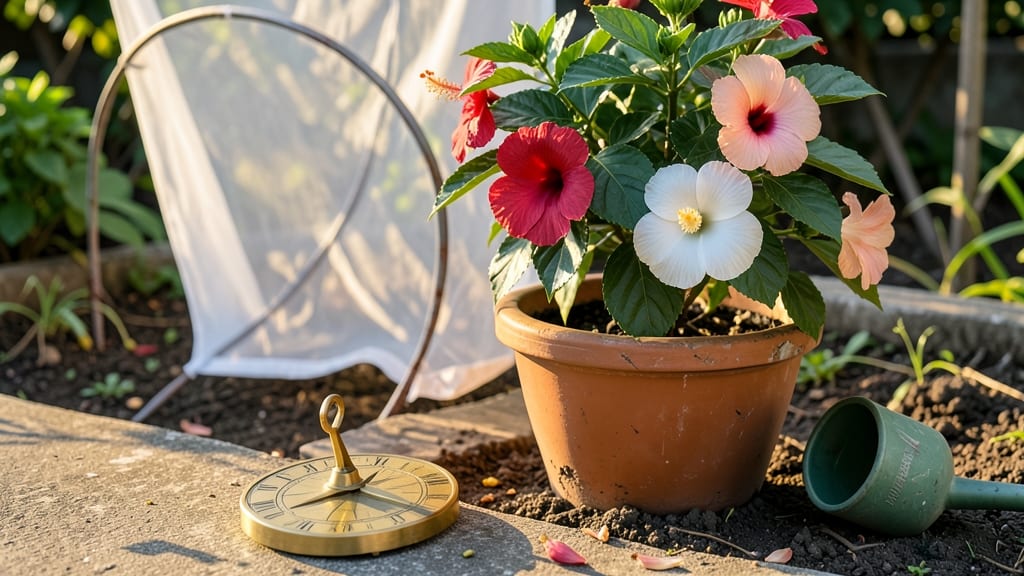
Wondering do hibiscus like sun or shade, here’s the truth: they adore full sun, needing 6-8 hours of direct light daily for those stunning blooms 🌸.
If your hibiscus is struggling with leggy stems or sparse flowers, it might be getting too much shade—or too much harsh afternoon sun. The key is finding that sweet spot where your plant gets bright, filtered light without scorching.
Most hibiscus varieties, especially tropical types like Hibiscus rosa-sinensis, crave sunlight but can handle partial shade in hot climates. Hardy hibiscus, on the other hand, can tolerate more shade, especially in cooler regions like USDA Zone 6a.
Below, I’ll break down how to adjust light conditions for vibrant blooms, spot signs of over- or under-exposure, and keep your hibiscus healthy year-round.
 Best Window Placement
Hibiscus sun requirements: how much light for maximum blooms?
If you're asking, "do hibiscus like sun or shade?", the answer depends on the variety—but most hibiscus plants thrive in bright, direct sunlight. Tropical hibiscus (Hibiscus rosa-sinensis) especially crave 6-8 hours of full sun daily to produce their signature vibrant blooms.
Without enough light, they'll stretch toward the sky, producing fewer flowers and leggy growth. I’ve learned this the hard way with my first hibiscus—it nearly became a twiggy mess until I moved it to a sunnier spot!
The key is understanding your hibiscus type. Hardy hibiscus (like Hibiscus syriacus) are slightly more adaptable, tolerating partial shade in hot climates to prevent leaf scorch. But even these varieties perform best with at least 4-6 hours of morning sun.
Think of sunlight as their bloom fuel—cut it short, and you’ll see fewer flowers and weaker stems.
Now, let’s talk about what happens when you get the light balance wrong. Too little sun leads to pale leaves, sparse blooms, and weak stems. Too much direct afternoon sun in hot climates can cause leaf burn or wilting.
I’ve seen both extremes in my garden—one hibiscus nearly died from afternoon sun exposure in Arizona, while another in my shady patio barely budded. The solution? Morning sun with afternoon shade in extreme heat zones.
| Hibiscus Type | Ideal Sunlight | Shade Tolerance | Signs of Stress |
|---|---|---|---|
| Tropical Hibiscus (H. rosa-sinensis) | 6-8 hours full sun | Minimal; partial shade only in extreme heat | Leggy growth, fewer blooms, yellow leaves |
| Hardy Hibiscus (H. syriacus) | 4-6 hours sun (morning preferred) | Moderate; tolerates partial shade in hot zones | Stunted growth, leaf burn, weak stems |
| Dwarf Varieties | 4-5 hours sun (container-friendly) | Better than standard types; adapts to filtered light | Small, pale blooms, slow growth |
🌞 Pro Tip: Use light-colored containers to reflect excess heat for potted hibiscus.
Seasonal adjustments are crucial, especially if you live in hot, humid climates. During summer, hibiscus plants may need afternoon shade protection to prevent leaf scorch. I use lightweight shade cloth (30-50%) on my tropical hibiscus from June to August.
For hardy varieties, morning sun with afternoon shade works wonders—it keeps the leaves lush while encouraging blooms.
Identifying signs of light stress is easier than you think. If your hibiscus leaves are yellowing or curling, it’s often a sign of too much direct sun. Leggy stems with few buds?
That’s your plant begging for more light. I once had a hibiscus in my living room that barely bloomed—until I moved it to a south-facing patio. The difference was night and day!
For container-grown hibiscus, sunlight needs change based on pot size. Smaller pots dry out faster and may need more frequent watering when exposed to full sun. Larger containers can handle more direct sunlight because they retain moisture longer.
I always check the soil moisture before deciding on sun exposure—if it’s dry by mid-morning, the plant might need a slightly shadier spot.
Regional considerations matter too. In USDA Zone 9-11, hibiscus can handle full sun year-round with proper watering. But in Zones 5-8, they’ll need winter protection and may benefit from partial shade in summer.
I’ve grown hibiscus in Zone 7 by moving them to a sunny patio in summer and bringing them indoors near a south-facing window in winter.
If you’re unsure about your hibiscus’s light needs, start with 6 hours of morning sun and adjust based on leaf color and bloom frequency.
Most hibiscus will tell you what they need—vibrant blooms mean they’re happy, while wilting or yellowing leaves mean it’s time to tweak their spot. With the right balance, your hibiscus can reward you with months of stunning flowers—and trust me, it’s worth the effort!
🌸
Shade tolerance in hibiscus: when and why to provide partial shade
While hibiscus plants thrive in full sun, there are times when partial shade becomes essential for their health. Extreme heat, urban environments, or USDA zones 9-11 often require strategic shade adjustments to prevent stress.
Understanding when and how to provide shade can mean the difference between vibrant blooms and struggling foliage.
In hot climates like Arizona or Florida, hibiscus plants may need afternoon shade protection to prevent leaf scorch. Even hardy hibiscus varieties like Hibiscus moscheutos can benefit from filtered light during peak summer hours. Urban gardeners with west-facing patios often face similar challenges due to intense afternoon sun.
🚨 callout warning 🚨
Hibiscus plants cannot tolerate sudden shade changes. Moving from full sun to deep shade causes leaf yellowing and stunted growth. Always transition plants gradually over 2-3 weeks by using 30-50% shade cloth before full shade.
Signs of shade stress: Pale leaves, few blooms, leggy stems reaching for light.
For tropical hibiscus varieties, partial shade becomes crucial during summer months when temperatures exceed 90°F (32°C). I've found that providing dappled shade through sheer curtains or lightweight fabric helps maintain moisture while still allowing 4-6 hours of morning sun—critical for blooming.
In urban environments, buildings and pavement create heat islands that bake hibiscus roots. Planting near reflective surfaces or using mulch blankets can help regulate soil temperature. I recommend organic mulch like straw or wood chips to retain moisture and reduce heat stress.
If your hibiscus shows yellowing leaves or fewer blooms, it may need more light—not less. However, if leaves appear burned or crispy, immediate shade relief is needed. Gradually adjust shade structures to avoid shocking the plant's photosynthesis process.
For container-grown hibiscus, shade tolerance depends on pot size. Smaller containers dry out faster, so afternoon shade becomes even more critical. I've had success using self-watering pots combined with partial shade to maintain consistent moisture levels during heatwaves.
Remember, hibiscus plants are sun lovers at heart, but their shade tolerance makes them adaptable. The key is balancing light exposure based on your local climate and growing conditions. With the right adjustments, you'll enjoy healthy foliage and stunning blooms year-round. 🌿